How to Overwinter Lyreleaf sage
1
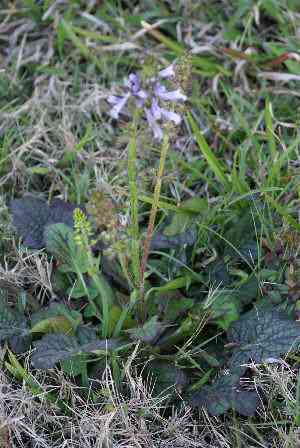
Lyreleaf sage tolerates cold temperatures and can endure winter with appropriate attention.
2
Applying mulch and preparing the soil are vital for safeguarding Lyreleaf sage in colder periods.
3
Both external and internal care are necessary to maintain the well-being of your Lyreleaf sage throughout winter.
Understanding Lyreleaf sage's Hardiness
Understanding Lyreleaf sage's Hardiness
Before discussing how to overwinter Lyreleaf sage, it's crucial to grasp its resilience. Lyreleaf sage, native to North America, is known for its ability to endure colder temperatures. This plant is robust and can withstand frost, making it a relatively easy-care option for gardeners. However, even tough plants benefit from some extra attention during winter to ensure they flourish in spring.
Preparing Lyreleaf sage for Winter
When to Start Preparing
The optimal time to begin readying your Lyreleaf sage for winter is in late autumn, typically around November. By this point, the plantâs active growth period is concluding, and it's starting to enter dormancy. This is an ideal window to implement strategies to safeguard it through the colder months.
Soil and Mulching
Healthy soil forms the basis for a resilient plant. Ensure your Lyreleaf sage is planted in well-drained soil. During winter, apply a thick layer of mulchâapproximately 5-10 cm (2-4 inches) deepâto help insulate the roots and maintain a consistent soil temperature. Organic mulches such as straw, wood chips, or shredded leaves are excellent choices.
Watering Tips
Appropriate watering is vital before winter arrives. As temperatures drop, ensure your Lyreleaf sage receives about 2.5 cm (1 inch) of water weekly until the ground begins to freeze. Avoid overwatering, as waterlogged soil can lead to root rot, especially in colder months when evaporation rates are lower.
Protecting Lyreleaf sage from Frost
Frost Cloths and Covers
Despite being frost-tolerant, your Lyreleaf sage can benefit from additional frost protection. Utilize frost cloths or covers to shield the plant during extremely cold nights. Make sure the fabric doesnât directly touch the plant, as this can cause freeze damage. Stakes or wire frames can help keep the cloth elevated, creating a tent-like enclosure.
Choosing the Right Location
Where you position or relocate your Lyreleaf sage can make a significant difference. An ideal spot is one protected from strong winds, such as near a building or a fence. If the plant is in a container, consider moving it to a garage, porch, or a similar sheltered area to protect it from the harsh winter weather.
Indoor Care for Potted Lyreleaf sage
Ideal Indoor Conditions
If you have Lyreleaf sage in a pot, bringing it indoors for winter can be an effective way to ensure its survival. Place it in a location where it receives bright, indirect sunlight. The optimal indoor temperature for Lyreleaf sage is between 18-21°C (65-70°F) during the day and slightly cooler at night. Maintain moderate humidity to prevent mold or mildew growth.
Preventing Common Indoor Pests
Indoor pests can sometimes become an issue when moving outdoor plants inside. To prevent this, inspect your Lyreleaf sage for any signs of pests before bringing it in. Regularly check for aphids, spider mites, or mealybugs. If detected, treat the plant with a mild insecticidal soap or neem oil spray.
Post-Winter Care for Lyreleaf sage
Gradual Re-exposure
As spring approaches, begin slowly re-acclimating your Lyreleaf sage to outdoor conditions. Start by placing the plant outside for a few hours daily, progressively increasing its outdoor time over several weeks. This helps it adjust to changing temperatures and sunlight without shock.
Pruning and Maintenance
Once the threat of frost has passed, itâs time for pruning and maintenance. Trim any dead or damaged leaves to encourage new growth. Fertilize with a balanced, slow-release fertilizer to provide your plant with a nutrient boost. Continue to water regularly, ensuring the soil remains moist but not saturated.



