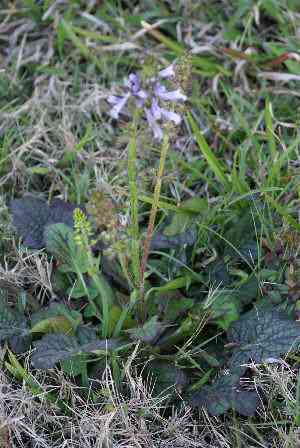
Lyreleaf sage (Salvia lyrata)
Also known as: Cancerweed
Lyreleaf sage (Salvia lyrata) is a perennial herb indigenous to the United States. Frequently cultivated in gardens, it has a propensity for rapid and dense growth, which can lead to it becoming a weed if not managed effectively. Indigenous peoples of North America traditionally employed lyreleaf sage in various rituals and ceremonies.
In This Article
Attributes of Lyreleaf sage
Lifespan
Perennial
Plant Type
Herb
Plant Height
20 cm to 61 cm
Spread
15 cm to 30 cm
Leaf Color
Green
Flower Size
2.5 cm to 8 cm
Flower Color
Purple Blue White
Images of Lyreleaf sage
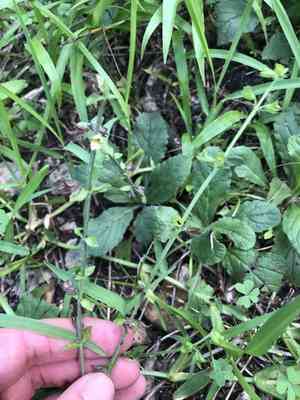
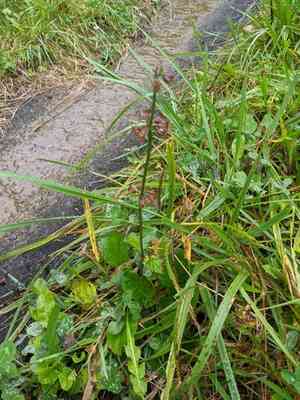
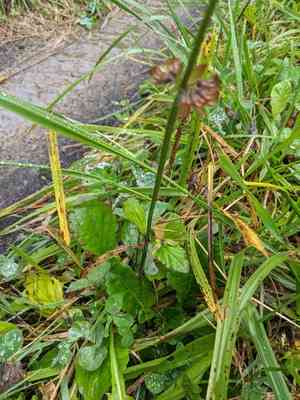
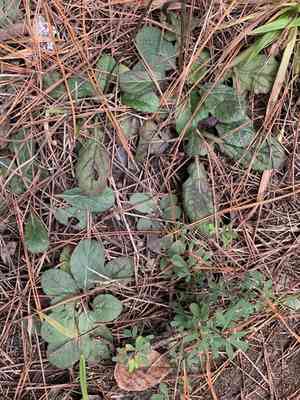
Quickly Identify Lyreleaf sage
1
Distinctive lyre-shaped basal leaves with lobed appearance.
2
Tubular flowers in whorls; vibrant shades of blue, white, and violet.
3
Schizocarp fruit with four chambers housing small brown nutlets.
4
Dark green leaves marked with purple-veined bract-like structures.
5
Hairy-textured stem, slender with light to purplish-green coloration.
Scientific Classification of Lyreleaf sage
Phylum
Vascular plants
Class
Dicotyledons
Order
Lamiales
Family
Mint
Genus
Sages
Species
Lyreleaf sage
Planting and Growing of Lyreleaf sage
Care Difficulty
Easy
Watering Schedule
Every 2 days
Sunlight Requirements
Full sun
Sunshine Duration
4-6 hours
Ideal Temperature
60-75℉
Soil Type
Potting Mix, Peat Mix
Soil pH
6.5-7.5
Fertilizer Type
Balanced
Pruning Season
Spring, Summer
Pruning Area
Branches, Leaves
Pruning Frequency
2 times a year
Repotting Season
Spring
Pot Type
Plastic, Ceramic
 How to Water Lyreleaf sage?
For Salvia lyrata, ensuring proper watering involves saturating the soil thoroughly but avoiding waterlogged conditions. When you water, make sure that the moisture penetrates at least 6 inches into the soil, as shallow watering leads to poor root development. A good rule of thumb is to add water until you see a few drops coming out of the drainage holes. This ensures sufficient hydration without drowning the roots.
What are the symptoms of an underwatered Lyreleaf sage?
›
What should I do if my Lyreleaf sage is not getting enough water?
›
What are the symptoms of an overwatered Lyreleaf sage?
›
How to save an overwatered Lyreleaf sage?
›
 What Are the Sunlight Requirements for Lyreleaf sage?
Salvia lyrata is best suited to thrive in environments that offer full sun to partial sun. Adequate sun exposure encourages lush growth, vibrant foliage, and prolific flowering, providing visual appeal and supporting ecosystem benefits such as pollinator attraction.
More About Sunlight Requirements Techniques→
How much direct sunlight does Salvia lyrata need?
›
What is the best location for Salvia lyrata?
›
How does ideal light affect Salvia lyrata?
›
 What Is the Ideal Temperature Range for Lyreleaf sage?
For optimal growth, Salvia lyrata thrives best in temperatures ranging from 60 to 75°F. This range supports active growth and healthy physiological processes, including photosynthesis and respiration, promoting robust growth and flower production.
 What Soil is Best for Lyreleaf sage?
Salvia lyrata thrives in well-drained soil, preventing waterlogged conditions that can lead to root rot. This ensures the plant's roots receive enough oxygen, promoting healthy growth and vibrant foliage. Incorporating moderate organic matter in the soil helps retain necessary nutrients and improves soil structure. This enriches the growth medium, providing Salvia lyrata with the essential elements it needs. While preferring well-drained conditions, Salvia lyrata also benefits from soil that retains some moisture. This balance ensures the plant remains hydrated during dry spells, enhancing its resilience to adverse weather.
More About Soil→
 How to Fertilize Lyreleaf sage?
Salvia lyrata benefits from a light fertilization schedule. During the growing season, apply a balanced, water-soluble fertilizer at half the recommended strength to avoid overwhelming the plant.
More About Fertilizing Techniques→
 How to Prune Lyreleaf sage?
Begin by inspecting the Salvia lyrata for any dead or damaged leaves or stems. Use sterilized pruning shears to cut these away at the base. Next, focus on shaping the plant by trimming back overly long or leggy stems to promote a fuller appearance. Make cuts just above a pair of leaves or a set of leaf buds to encourage new growth. Ensure the plant is well-watered before you start, as this will aid in recovery from pruning stress.
More About Pruning Techniques→
 How to Propagate Lyreleaf sage plant?
1
Prepare the seedbed by selecting a well-draining container and filling it with a seed starting mix. Water the mix lightly to provide the seeds with a moist environment for germination. Ensure the container is placed in a location that maintains a consistent temperature conducive to seed sprouting.
2
Choose healthy, non-flowering stems for cutting propagation. Ideally, the cuttings should be taken in the morning when the plant is most turgid. Ensure that each cutting is 10-15 cm long and has at least two sets of leaves.
3
For division, gently dig up the plant from the ground using a garden fork. Using a clean knife, separate the root ball into smaller sections that have healthy roots and shoots. Replant the divisions in prepared soil immediately to reduce stress.
 How to Repot Lyreleaf sage plant?
1
Look for signs like roots growing out of drainage holes, slowed growth, or a pot-bound appearance. These indicate it's time for a new home where it can expand its roots more freely.
2
Pick a pot that is 1 to 2 inches wider in diameter than the current one. Ensure it has drainage holes to prevent waterlogging, which can lead to root rot. This increases aeration for healthier roots.
3
Opt for a well-draining potting mix, which is crucial to avoid water retention. This type of soil improves air circulation in the root zone, thus fostering healthier growth and reducing the risk of fungal diseases.
Learn More About Lyreleaf sage Diseases
Anthracnose
Bacterial Leaf Spot
Bacterial Soft Rot
Bacterial Wilt
Chemical Injury
Crown Gall
Cyst Nematode
Damping-off
Downy Mildew
Drought Stress
Fusarium Wilt
Gray Mold
Leaf Spot
Mosaic
Nutrient Deficiency
Nutrient Toxicity
Powdery Mildew
Root Rot
Root-knot Nematode
Rusts
Sooty Mold
Spider Mites
Temperature Stress
Thrips Damage
White Mold



