How to Propagate Lyreleaf sage?
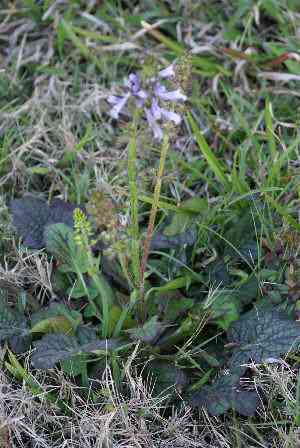
Lyreleaf sage can be multiplied in the spring or summer seasons using stem sections. This plant is quite straightforward to propagate, and indicators of successful multiplication include the emergence of fresh foliage. Sufficient hydration is crucial throughout this procedure.
Optimal Time for Lyreleaf Sage Propagation
Propagation Method
Cutting
Propagation Period
Spring, Summer
Tools for Lyreleaf Sage Propagation
Sharp Pruning Shears
Essential for taking cuttings from lyreleaf sage, sharp pruning shears ensure a clean cut, minimizing harm to both the parent plant and the cutting. This precise cut is vital for the cutting to properly callus and root, boosting successful propagation.
Rooting Hormone Powder or Gel
When applied to the cut end of lyreleaf sage cuttings, rooting hormone promotes faster root development and increases the chance of successful rooting. This is especially helpful for lyreleaf sage, which might root more slowly without it.
Sterile Potting Mix
A sterile potting mix offers a clean, pathogen-free environment for lyreleaf sage cuttings to root. The mix should be well-draining and loose to allow for air circulation and prevent rot, fostering healthy root growth.
Propagation Tray or Small Pots
Propagation trays or small pots are used to hold the sterile potting mix and lyreleaf sage cuttings. These containers facilitate an organized propagation setup and maintain the necessary humidity and temperature for root development.
Plastic Dome or Clear Plastic Bag
These are used to cover the propagation tray or pots, maintaining a high humidity environment that is crucial for preventing the cuttings of lyreleaf sage from drying out before they can establish roots.
Heating Mat (optional)
For lyreleaf sage, a heating mat can be used to provide consistent bottom warmth, which can encourage quicker rooting, especially in cooler climates or during colder months.
Watering Tool (e.g., Spray Bottle or Watering Can with a Fine Rose)
Gentle watering is essential to keep the potting mix moist for lyreleaf sage cuttings without causing disturbance. A spray bottle can mist the surface to maintain humidity, while a watering can with a fine rose can apply water without displacing the cuttings.
How to Propagate Lyreleaf Sage?
Propagation Method
Cutting
Difficulty Level
Easy
Caring for Newly Propagated Lyreleaf Sage
Caring for Newly Propagated Lyreleaf Sage
Once lyreleaf sage cuttings have been successfully propagated and transplanted, place them in an area with full sun to partial shade. Water the lyreleaf sage regularly, allowing the soil to dry slightly between watering. Fertilize with a balanced, slow-release plant food in the spring. Prune to encourage bushier growth and to remove any dead or damaged foliage. Mulching around the base can help retain soil moisture and suppress weeds. In winter, reduce watering as the lyreleaf sage enters a dormant state in cooler climates.
Common Mistakes to Avoid When Propagating Lyreleaf Sage
Overwatering
Excessive watering after planting can lead to root rot or fungal diseases, which can be detrimental to lyreleaf sage's establishment and growth.
Deep planting
Planting lyreleaf sage seeds too deep in the soil can prevent them from receiving adequate light to germinate properly, reducing propagation success.
Ignoring soil type
Utilizing an incorrect soil type, such as heavy clay or very sandy soil, can impede root development and water drainage, impacting lyreleaf sage's health.
Crowding seeds
Sowing lyreleaf sage seeds too densely can lead to competition for resources, restricting development and increasing the risk of disease spread.
Tips For Propagating Lyreleaf Sage
Soil preparation
Prepare a well-draining soil mix rich in organic matter to provide the ideal environment for lyreleaf sage's roots to establish.
Seed depth
Sow lyreleaf sage seeds on the soil surface or very shallowly, as they require light for optimal germination.
Moisture control
Keep the soil consistently moist but not waterlogged during lyreleaf sage's germination to prevent drying out without causing rot.
Spacing
Space lyreleaf sage seeds and seedlings appropriately to ensure each plant has enough room for growth and access to nutrients.



