The Lyreleaf sage Plant Advantage: Maximizing Home and Office Appeal and Wellness
1
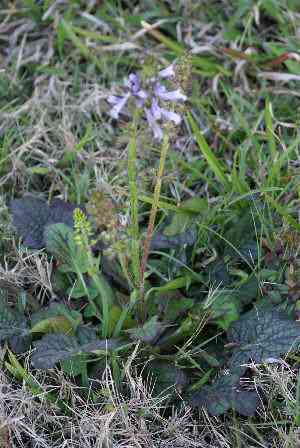
Lyreleaf sage features attractive lavender-blue blossoms that appear in spring and summer.
2
Its foliage can be incorporated into diverse cooking preparations to enhance taste.
3
This plant is frequently utilized in garden design due to its hardiness and visual appeal.
Why Cultivate Lyreleaf Sage in Your Garden?
Visual Charm
Lyreleaf sage is celebrated for its striking appearance, attributed to its lyre-shaped leaves and spires of lavender-blue blossoms. These flowers draw in bees and butterflies, fostering a vibrant and diverse garden ecosystem. Its distinctive foliage also offers a stark contrast when interplanted with other greenery, making it an excellent choice for both formal and informal garden designs.
Effortless Upkeep
Lyreleaf sage is a resilient plant that flourishes in diverse soil types and demands little care. It is resistant to drought and can endure various climate conditions, positioning it as an ideal selection for beginner gardeners or those seeking a low-effort garden addition. Its hardiness means it can thrive even in suboptimal soil, provided it receives sufficient sunlight.
How Can Lyreleaf Sage Elevate Your Culinary Creations?
Flavorful Leaves for Gastronomy
Lyreleaf sage's leaves can be utilized fresh or dried to impart a subtle, peppery taste to dishes. They are a superb inclusion in salads, soups, and stews, offering not only flavor but also an appealing visual component. You can also employ them as a garnish to enhance the presentation of your culinary masterpieces.
Innovative Recipes
Both professional chefs and home cooks can explore their creativity with Lyreleaf sage by incorporating it into recipes for herbal infusions, flavored oils, and even sweet treats. Its distinct flavor profile enables inventive pairings with other herbs and spices, broadening your culinary range.
What Makes Lyreleaf Sage Perfect for Landscaping?
Ground Cover Solution
Lyreleaf sage serves as an excellent ground cover plant that can aid in preventing soil erosion in your garden. Its mat-forming growth habit rapidly blankets the ground, offering a natural remedy for slopes and other areas susceptible to erosion. The dense foliage also helps to suppress weeds, lessening the need for chemical weed control.
Adaptability in Garden Design
Lyreleaf sage can be integrated into various landscaping styles, from traditional gardens to wild meadows. Its capacity to thrive in different environments means it can be situated in shaded spots beneath trees, in rock gardens, or even in containers. This versatility makes it a valuable asset to any landscape plan.
How to Nurture Your Lyreleaf Sage Plant?
Planting Guidelines
Lyreleaf sage is best planted in well-draining soil and a sunny location to encourage optimal development. It can be propagated from seeds or cuttings, and early spring is an ideal time for planting. Ensure the soil is not waterlogged, as excessive moisture can lead to root decay.
Ongoing Care
Once established, Lyreleaf sage requires minimal attention. Water the plant sparingly, as it is drought-tolerant and can survive with infrequent watering. Trimming the plant after the blooming season helps to maintain its form and stimulates new growth. Fertilize the plant with a balanced nutrient solution during the active growth period to promote vibrant foliage and flowers.
How Does Lyreleaf Sage Contribute to Ecological Well-being?
Attracting Pollinators
Lyreleaf sage is recognized for drawing in pollinators such as bees and butterflies, which play a vital role in the ecosystem. By cultivating Lyreleaf sage in your garden, you are supporting pollinator health and fostering biodiversity.
Enhancing Soil Quality
The root system of Lyreleaf sage aids in improving soil structure and aeration. This facilitates better water penetration and reduces soil compaction. Furthermore, as Lyreleaf sage decomposes, it enriches the soil with organic matter, boosting its fertility and overall health.



