How to Prune Lyreleaf sage?
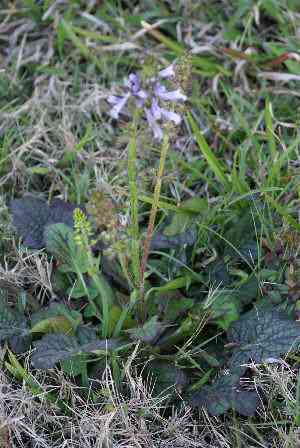
Lyreleaf sage, a perennial herb recognized for its foundational rosettes and violet flower spikes, flourishes with regular trimming to foster denser development and inhibit self-propagation. The most suitable time for pruning is late spring, following its bloom, to stimulate fresh leaf production. Removing faded blossoms can prolong the flowering season into the summer months. During autumn, reduce the foliage to revitalize the plant. Always employ sanitized, sharp implements to avert illness and preserve plant well-being. Strategic pruning additionally elevates lyreleaf sage's aesthetic value.
What Are the Benefits of Pruning Lyreleaf Sage?
What Are the Benefits of Pruning Lyreleaf Sage?
Trimming lyreleaf sage promotes robust development and helps maintain its form. Strategic cutting can lead to denser foliage and potentially increase flower production, offering both aesthetic and health advantages to the plant.
What Is the Best Time for Pruning Lyreleaf Sage?
What Is the Best Time for Pruning Lyreleaf Sage?
Trimming lyreleaf sage in spring is ideal as it stimulates new growth following the dormant winter period. Early summer pruning assists in shaping the plant and managing its size before it reaches its peak growth phase. Autumn pruning is beneficial for removing any dead or diseased foliage, fostering better health and preparing for winter dormancy. These seasons avoid disrupting lyreleaf sage's late summer to frost blooming period, ensuring the plant's energy is directed towards bud formation and flowering rather than recovering from pruning cuts.
What Tools Do I Need to Prune Lyreleaf Sage?
Hand Pruners
Excellent for precise cuts on lyreleaf sage's stems due to their size and the plant's herbaceous nature.
Pruning Shears
Ideal for trimming lyreleaf sage's foliage, ensuring a clean cut without damaging the plant.
Gloves
Protection for the gardener's hands while handling lyreleaf sage, to avoid cuts or scrapes from the plant's potentially rough stems.
Garden Scissors
Useful for deadheading lyreleaf sage or cutting back small, delicate parts where precision is essential.
How to Prune Lyreleaf Sage
Deadhead
Identify and remove the withered flowers of lyreleaf sage by snipping them at the base of the bloom stem using clean, sharp pruning shears. This encourages new blooms and prevents the plant from spending energy on seed production.
Shape
Inspect lyreleaf sage for overgrown stems and decide on the desired shape and size of your plant. Using the same clean shears, trim the overgrown stems by cutting just above a leaf node at a 45-degree angle. This promotes a bushier growth and maintains an aesthetically pleasing form.
Thin
Thin out crowded areas of lyreleaf sage to improve air circulation. Remove any stems that are crossing over others or growing inward, by cutting them back to their point of origin or to a main branch.
Sanitize
Disinfect the pruning shears before and after use to prevent the spread of diseases. Wipe the blades with a cloth soaked in isopropyl alcohol or a 10% bleach solution.
Mulch
After pruning, apply a layer of mulch around the base of lyreleaf sage without touching the stems. This helps retain soil moisture and suppresses weed growth.
Common Pruning Mistakes with Lyreleaf Sage
Over-Pruning
Cutting back lyreleaf sage too severely can stress the plant and reduce its vigor. This might lead to fewer blooms and decreased overall health.
Incorrect Technique
Using dull or dirty pruning tools can lead to jagged cuts that are prone to disease, as well as accidental damage to the parts of lyreleaf sage that are supposed to remain.
Pruning Healthy Growth
Removing healthy growth indiscriminately might compromise the natural shape and flowering potential of lyreleaf sage. It's important to selectively prune dead or overgrown sections without compromising healthy stems.
Neglecting To Deadhead
Failing to remove spent flowers can prevent lyreleaf sage from producing new blooms, as it might start focusing energy on seed production instead of new growth.
Pruning For Size Only
Lyreleaf sage may become too dense if pruning is focused solely on controlling size rather than shaping and promoting good air circulation within the plant.
Common Pruning Tips for Lyreleaf Sage
Selective Thinning
Thin out crowded areas to improve light penetration and air circulation, which will help reduce the risk of disease and encourage stronger growth in lyreleaf sage.
Sharp Tools
Ensure pruning tools are sharp and sanitized to make clean cuts that heal quickly, reducing the chance of disease entry.
Deadheading
Regularly remove spent flowers to promote further blooming throughout the flowering season of lyreleaf sage.
Shape Retention
Aim to maintain the natural mound shape of lyreleaf sage while pruning, trimming overgrowth to conform with the plant's inherent form.
Gradual Pruning
If substantial size reduction is needed, it's best to achieve it over the course of a few seasons to minimize stress on lyreleaf sage.
Focusing On Old Growth
Prioritize cutting back old and woody stems to encourage new, more vigorous growth, which is particularly essential for lyreleaf sage to thrive.



