Optimal Soil for Growing Lyreleaf sage: What You Need to Know
1
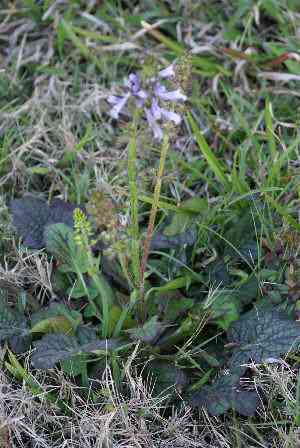
Lyreleaf sage flourishes in adequately drained loamy earth with a pH ranging from mildly acidic to neutral, specifically 6.5 to 7.5.
2
Routine soil analysis assists in monitoring pH values and nutrient levels, guaranteeing your plants receive essential elements.
3
Applying organic mulch can greatly assist in preserving moisture and inhibiting weed growth around your Lyreleaf sage specimens.
Optimal Soil Type for Lyreleaf Sage
Well-Drained Loamy Substrate
For Lyreleaf sage to flourish, selecting well-drained loamy soil is essential. This soil type features a balanced mix of sand, silt, and clay, facilitating proper water runoff while retaining sufficient moisture and nutrients. Avoid dense clay soils, as they can compact and impede root development. Utilizing raised beds or choosing an elevated garden location can also help prevent waterlogging.
Ideal pH Range
Lyreleaf sage thrives best in a pH range of 6.5 to 7.5. This slightly acidic to neutral spectrum is perfect for nutrient absorption and growth. Maintaining this pH level ensures the plant can efficiently access vital nutrients. Regular soil pH testing can help keep it within this optimal range.
Soil Makeup
An excellent soil composition for Lyreleaf sage includes a rich blend of organic matter. Organic materials like compost or well-rotted manure enhance soil structure, providing necessary nutrients for robust plant growth. Incorporating organic matter also boosts microbial activity, improving soil fertility.
Preparing Soil for Lyreleaf Sage Planting
Soil Analysis
Before planting Lyreleaf sage, perform a soil test to determine its current pH and nutrient content. Soil testing kits are readily available at garden centers or through local agricultural extension services. Understanding your soil's current condition allows for informed decisions on necessary amendments to create an ideal growing environment.
Soil Amendments
Based on your soil test results, you might need to modify your soil to optimize its properties. For instance, if the pH is too low (acidic), apply lime to increase it. Conversely, if it's too high (alkaline), sulfur or organic matter can help reduce it. Amending soil with compost or well-rotted manure can also improve its structure and fertility. Properly mixed amendments ensure a balanced soil composition for Lyreleaf sage.
Fertilization
To give your Lyreleaf sage a nutrient boost, apply a balanced slow-release fertilizer during the planting stage. Opt for fertilizers with a balanced ratio, such as 10-10-10 (N-P-K), which supplies essential macronutrients. Work the fertilizer into the top few inches (centimeters) of soil to place it near the root zone. Avoid over-fertilizing, as excessive nutrients can harm plant health.
Common Soil Issues and Solutions
Compact Soil
Compacted soil can be a significant problem for Lyreleaf sage, as it restricts root growth and limits water and air circulation. To alleviate compaction, aerate the soil by turning it over or using a garden fork. Adding organic matter like compost can help break up dense soil and improve its structure, fostering healthier root development.
Poor Drainage
Inadequate soil drainage can lead to root rot and other fungal diseases. To enhance drainage, incorporate coarse sand or perlite into the soil. Additionally, consider planting Lyreleaf sage in raised beds or elevated garden spots to prevent standing water. Ensuring good soil drainage will help keep your plants healthy and vibrant.
Nutrient Deficiencies
Nutrient deficiencies in soil can manifest as stunted plant growth and yellowing leaves. Conducting regular soil tests can help identify specific nutrient gaps. Based on the test results, add targeted amendments such as compost, specific fertilizers, or trace minerals to address these deficiencies. Balanced nutrition is crucial for maintaining the health and vigor of your Lyreleaf sage.
Mulching and Its Advantages for Lyreleaf Sage
Organic Mulch
Using organic mulch, such as shredded leaves, straw, or wood chips, can greatly benefit Lyreleaf sage. Organic mulch enriches the soil as it breaks down, adding valuable nutrients. Spread a 2-3 inch (5-7.6 cm) layer of mulch around the plant bases, ensuring it doesn't directly touch the stems to prevent rot.
Moisture Retention
Mulch plays a vital role in retaining soil moisture, especially during dry periods. By covering the soil, mulch reduces evaporation, helping plants maintain consistent moisture levels. This is particularly advantageous for Lyreleaf sage, which prefers moist conditions but can be sensitive to excessive watering.
Weed Control
A thick layer of mulch can also suppress weed growth, reducing competition for resources like water and nutrients. Weeds can be particularly troublesome for Lyreleaf sage, as they can quickly overtake the planting area. Regularly adding mulch can help keep your garden weed-free and ensure your plants receive the nutrients they need without competition.



