Enhancing Your Garden Design with the Lyreleaf sage Plant: A Landscaping Guide
1
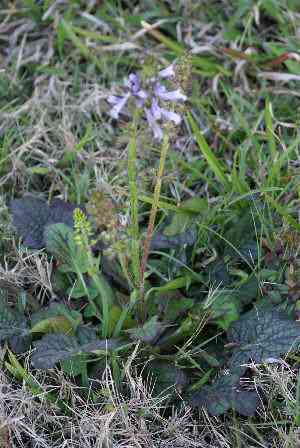
Lyreleaf sage provides distinctive leaves that enhance the aesthetic appeal of any garden.
2
Cultivating Lyreleaf sage contributes to environmental friendliness by lowering water consumption.
3
Lyreleaf sage draws in helpful insects, fostering a thriving garden environment.
Introducing Lyreleaf Sage to Your Landscape
An overview of Lyreleaf sage's distinct visual appeal.
To elevate your garden's aesthetic, Lyreleaf sage offers unique lyre-shaped leaves and clusters of delicate blossoms in lovely blue, white, or lavender hues. This striking plant works well as a ground cover or for creating prominent borders in garden beds. Its distinctive foliage and flowers not only add charm but also provide year-round interest, keeping your garden vibrant and lively through every season.
Lyreleaf sage's role in sustainable gardening practices.
Lyreleaf sage significantly contributes to sustainable gardening due to its low-maintenance nature, requiring minimal water and fertilization. This drought-tolerant plant flourishes in diverse soil conditions, reducing the need for frequent irrigation and extensive soil amendments. By integrating Lyreleaf sage into your landscape, you aid in water conservation and cultivate an eco-friendly garden that demands fewer resources for upkeep.
Designing with Lyreleaf Sage: Placement and Pairings
Optimal placements for Lyreleaf sage in your garden for visual impact.
To maximize Lyreleaf sage's visual effect in your garden, consider planting it along paths, garden edges, or as a ground cover in areas needing a splash of color. Its low-growing habit makes it perfect for these spots, allowing it to fill spaces without overshadowing other plants. Furthermore, Lyreleaf sage can be used in rock gardens or on slopes to help prevent soil erosion while adding beauty.
Companion plants that thrive alongside Lyreleaf sage.
Pairing Lyreleaf sage with appropriate companion plants can boost your garden's overall beauty and health. Good companions include native grasses, wildflowers, and other drought-tolerant perennials like echinacea and black-eyed susan. These plants not only complement Lyreleaf sage's appearance but also share similar water and soil needs, fostering a harmonious and easy-to-maintain garden.
Utilizing Lyreleaf sage to establish a garden focal point.
Create a stunning garden focal point by mass planting Lyreleaf sage in a specific area or around a prominent garden feature. Its vivid flowers and distinctive leaves can draw attention, making it an excellent choice for highlighting statues, water features, or seating areas. By strategically using Lyreleaf sage as a focal point, you can craft visually captivating garden spaces that encourage relaxation and admiration.
Seasonal Considerations for Lyreleaf Sage Cultivation
Ideal planting times for Lyreleaf sage to ensure optimal growth.
For best growth, plant Lyreleaf sage in late spring or early fall when temperatures are moderate and rainfall is more consistent. This timing allows the plant to establish its root system before the hotter summer months or the arrival of winter. Ensure the planting site receives partial to full sun and is well-drained to encourage healthy development.
How Lyreleaf sage adapts to changing seasons.
A key benefit of growing Lyreleaf sage is its seasonal adaptability. In spring and summer, its vibrant blooms attract pollinators, bringing life to your garden. During autumn, the foliage may develop a reddish tint, offering a different kind of beauty. In winter, though the plant might die back in colder climates, its roots remain viable, ready to produce new growth when conditions become favorable again.
Care Guidelines for Healthy Lyreleaf Sage
Basic upkeep and grooming practices for Lyreleaf sage.
Maintaining Lyreleaf sage is quite simple. Regularly remove any dead or damaged leaves to keep the plant looking neat. If the plant becomes too dense, thin it out to improve air circulation and lessen disease risk. Although Lyreleaf sage tolerates drought, occasional watering during extended dry spells can help it flourish. Applying a layer of mulch around the base can help retain soil moisture and suppress weeds.
Common challenges in Lyreleaf sage care and their solutions.
While Lyreleaf sage is generally low-maintenance, it can face issues like powdery mildew or root rot if kept in excessively damp conditions. To prevent this, ensure adequate spacing between plants and avoid overwatering. If pests such as aphids or spider mites become a problem, consider natural remedies like introducing beneficial insects or using insecticidal soap. Promptly monitoring plant health and addressing concerns can keep Lyreleaf sage thriving in your garden.
Environmental Advantages of Incorporating Lyreleaf Sage into Your Garden
Lyreleaf sage's contribution to biodiversity and ecological balance.
By integrating Lyreleaf sage into your garden, you foster biodiversity and support ecological equilibrium. As a native plant, Lyreleaf sage provides habitat and sustenance for various organisms, including pollinators like bees and butterflies. These interactions enhance the resilience and health of your garden ecosystem, making it more robust against pests and diseases.
How Lyreleaf sage supports local wildlife.
Lyreleaf sage is an excellent addition to any wildlife-friendly garden. Its flowers attract beneficial insects such as pollinators, while its seeds can provide food for birds. Additionally, its dense foliage can offer shelter to small mammals and insects, contributing to a lively and diverse garden environment. By supporting local wildlife, you create a vibrant and balanced garden ecosystem.



