How to Transplant Sand cherry?
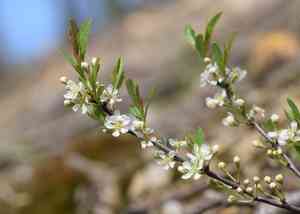
The most favorable period for relocating sand cherry extends from early spring through late spring, allowing for an advantageous start to its development. Select a location bathed in sunlight that features soil with good drainage. Carefully loosen the surrounding ground and guarantee the root system's integrity throughout the transfer process.
What Preparations are Needed Before Transplanting Sand Cherry?
What is the Ideal Time for Transplanting Sand Cherry?
The best time to move sand cherry is during spring's thaw, when nature awakensâtypically from bud break until the garden is vibrant with new life. Moving sand cherry then aligns with its growth cycle, allowing roots to establish in cooler temperatures and sufficient rain, leading to a strong, thriving plant. This precise timing ensures a smooth transition, supporting the health and vigor of your sand cherry.
How Much Space Should You Leave Between Sand Cherry Plants?
When relocating your sand cherry, it's best to provide ample room for it to thrive. Aim to space them approximately 4-6 feet (1.2-1.8 meters) apart. This spacing will ensure they have sufficient area to mature and expand without competing for resources.
What is the Best Soil Mix for Sand Cherry Transplanting?
Your sand cherry will flourish in soil that drains well and is loamy. Before planting, enrich the soil with a balanced, slow-release fertilizer to give your sand cherry a nutrient-rich beginning. Preparing the soil with this robust foundation will support healthy development.
Where Should You Relocate Your Sand Cherry?
For optimal development, place your sand cherry in an area that receives full sunlight. This bright spot will provide the energy your sand cherry needs to grow beautifully. If full sun isn't feasible, a location with partial shade can also work, but full sun is preferred.
What Equipments Should You Prepare Before Transplantation Sand Cherry?
Gardening Gloves
To safeguard your hands while handling soil and the plant.
Spade
To dig around and beneath the sand cherry for removal and to create the new planting hole.
Hand Trowel
For more precise digging and adjusting soil within the transplant hole.
Garden Fork
To loosen the soil surrounding the sand cherry's root ball when extracting it from its original spot.
Watering Can or Hose
To hydrate the sand cherry both before extraction and after replanting.
Measuring Tape
To determine the correct depth and width for the new hole.
Bypass Pruners
To trim any damaged roots or branches if necessary.
Wheelbarrow or Garden Cart
To safely move the sand cherry from one location to another.
Burlap or Tarp
To keep the root ball intact and protect the roots during transit.
How Do You Remove Sand Cherry from the Soil?
How Do You Remove Sand Cherry from the Soil?
From Ground: First, water the sand cherry plant to moisten the soil. Then, use a garden fork or spade to gently loosen the soil around the plant, being careful not to harm the root ball. Once loosened, slide the spade under the root ball and lift the sand cherry from the ground.From Pot: Water the sand cherry and allow excess water to drain. Tilt the pot sideways and gently tap the bottom to loosen the root ball. Carefully ease the plant out of the pot, supporting the root ball with your hand.From Seedling Tray: Water the sand cherry gently to avoid disturbing the delicate roots. Use a hand trowel or small tool to lift the plant along with its root ball from the tray. Handle the young plant with care to prevent damage.
Step-by-Step Guide for Transplanting Sand Cherry
Prepare New Site
Ensure the new location for your sand cherry is free of weeds and debris. With the spade, dig a hole that is as deep and twice as wide as the root ball of your sand cherry.
Transplant Hole
Use the garden fork to lightly aerate the bottom and sides of the hole to encourage root growth. With the measuring tape, check the depth and width to ensure it's appropriate for the sand cherry's root ball.
Plant Placement
Position the sand cherry in the center of the hole. Make sure it is upright and at the same depth it was growing previously, with the graft point above soil level if applicable.
Fill In Soil
Gently backfill the hole with the excavated soil, using the hand trowel for precision. Carefully firm the soil around the plant to eliminate air pockets without overly compacting it.
Water Thoroughly
Water the sand cherry thoroughly after planting to settle the soil around the roots and to provide essential moisture for the plant to recover from transplant shock.
How Do You Care For Sand Cherry After Transplanting?
Immediate Watering
After transplanting, water the sand cherry generously to help reduce transplant shock and ensure good contact between the roots and soil.
Mulching
Apply a layer of mulch around the base of the sand cherry to maintain moisture levels, regulate soil temperature, and deter weeds.
Pruning
Prune any damaged branches to encourage healthy growth and lessen stress on the sand cherry.
Regular Observation
Closely monitor the sand cherry for signs of distress, such as wilting or discolored leaves, and address any issues promptly.
Support Structures
If the sand cherry is tall or top-heavy, provide stakes or other support structures to prevent it from leaning or breaking.
Troubleshooting Common Issues with Sand Cherry Transplantation.
What's the best time to transplant sand cherry?
Relocate sand cherry when the weather is mild, ideally from early to late spring.
How much space does sand cherry need when transplanting?
Allow sand cherry a clearance of about 4-6 feet (1.2-1.8 meters) to promote healthy growth.
Why is my sand cherry wilting after transplanting?
Wilting can occur due to transplant shock. Ensure careful handling during transfer and provide ample water.
How deep should I plant sand cherry?
Dig a hole as deep as the root ball, but twice as wide to give roots space.
Can I transplant sand cherry in the summer or fall?
It's possible, but spring's cooler temperatures and moist soil conditions make it the ideal season.
What soil type is best for transplanting sand cherry?
Sand cherry thrives in well-draining soil rich in organic matter; avoid heavy, waterlogged soils.
How do I water sand cherry after transplanting?
Water deeply right after transplanting, then regularly to maintain slight soil moisture without over-saturating.
Should I fertilize sand cherry after transplanting?
Wait a few weeks before fertilizing to prevent burning the roots; then, use a balanced fertilizer.
How can I protect the roots of sand cherry during transplanting?
Keep the root ball intact and handle gently. Minimize exposure to air to prevent drying out.
Can I transplant mature sand cherry plants?
Yes, though mature sand cherrys are more susceptible to transplant shock. Extra care should be taken.



