The Sand cherry Plant Advantage: Maximizing Home and Office Appeal and Wellness
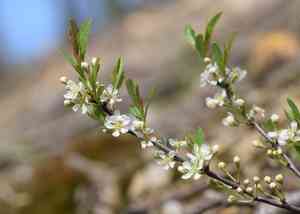
1
Sand cherry is a resilient plant that flourishes even in infertile ground.
2
The berries of Sand cherry are safe to eat and suitable for diverse culinary uses.
3
Sand cherry offers essential refuge and sustenance to indigenous fauna.
Key Advantages of Sand Cherry
Durability in Challenging Environments
A primary advantage of Sand cherry is its capacity to flourish in inadequate soil. This plant exhibits exceptional hardiness, making it an ideal selection for locations where other flora struggle. It tolerates drought and withstands various environmental pressures, making it a low-upkeep addition to any landscape.
Edible and Nutritious Produce
The fruits of Sand cherry are both consumable and beneficial. These small, berry-like items are rich in vitamins and antioxidants, offering a healthy dietary supplement. They can be eaten fresh or incorporated into diverse culinary creations like preserves, jellies, and desserts. Including these fruits can provide numerous health benefits.
Support for Local Fauna
Beyond its human benefits, Sand cherry plays a vital role in sustaining local wildlife. The plant offers sustenance and refuge for various avian species, insects, and small mammals. By integrating Sand cherry into your garden, you foster a welcoming habitat for these creatures, promoting biodiversity and ecological balance.
Integrating Sand Cherry into Your Garden Design
Optimal Planting Conditions
To maximize Sand cherry's potential in your garden, understanding its preferred growing environment is crucial. This robust plant thrives in well-drained soil and requires full sun to partial shade. Position it where it can receive ample sunlight for at least six hours daily to encourage prime growth and fruit yield.
Companion Planting Strategies
Consider pairing Sand cherry with other indigenous plants to cultivate a harmonious and flourishing garden ecosystem. Suitable companions include those with similar light and soil requirements. Integrating Sand cherry with other native species can enhance your garden's overall health and beauty, providing a balanced habitat for local fauna.
Maintenance Requirements for Sand Cherry
Watering and Trimming
Sand cherry needs minimal irrigation once established. During the initial planting phase, ensure the soil remains moderately moist. Prune the plant annually to maintain its form and remove any dead or damaged branches. This encourages vigorous growth and a neat appearance, contributing to your garden's aesthetic appeal.
Pest and Disease Management
While Sand cherry is generally resistant to pests and diseases, it's important to watch for common issues like aphids or fungal infections. Employ organic pest control methods if necessary and ensure adequate air circulation around the plants to minimize disease risk. Healthy plants are typically more resilient, so good gardening practices are essential.
Unique Applications for Sand Cherry
Culinary Applications
Beyond its decorative appeal, Sand cherry fruits can be utilized in various cooking applications. These include baking them into pies, crafting preserves, or even using them as garnishes in beverages. The versatility of Sand cherry's fruits allows for creative culinary exploration, adding a distinct flavor to your dishes.
Crafts and Decorations
The branches and foliage of Sand cherry can be creatively incorporated into floral arrangements and crafts. Their sturdy nature and visual appeal make them an excellent choice for creating natural decorative items. From wreaths to centerpieces, Sand cherry can infuse a touch of nature into your home decor projects.



