The Hidden Danger in Your Home? Unmasking the Toxicity of the Sand cherry Plant.
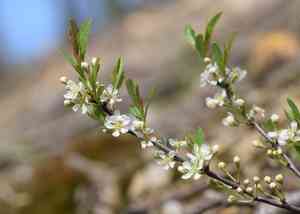
1
Sand cherry may emit hydrogen cyanide, leading to serious health problems such as seizures and unconsciousness.
2
Just the mature fruit pulp of sand cherry is harmless; other components are poisonous to people and animals.
3
Prompt veterinary attention is vital for canines and felines exhibiting signs of intoxication from sand cherry.
Is Sand cherry toxic to humans?
Sand cherry exhibits a low level of toxicity to humans, mainly when consumed. The whole plant contains harmful substances, except for the mature fruit, which is safe to eat. If other parts of the plant are eaten, they can release hydrogen cyanide, a compound known to cause poisoning. Signs of sand cherry poisoning might include trouble breathing, lightheadedness, headaches, and an upset stomach. In serious instances, consumption can result in seizures and even unconsciousness because hydrogen cyanide disrupts the body's oxygen utilization. It is vital for people to refrain from eating any part of sand cherry other than the ripe fruit to avoid unintentional poisoning.
Is Sand cherry toxic to cat?
Sand cherry presents a slight toxicity danger to felines, with all components except the ripe fruit potentially harmful. If accidentally consumed, the plant can release hydrogen cyanide, causing signs of physical distress. Should cats display symptoms of illness after contact with sand cherry, it is critical to obtain immediate veterinary assistance to safeguard their health and security.
Is Sand cherry toxic to dog?
Sand cherry carries a minor toxicity hazard for canines. Dogs might inadvertently consume portions of the plant, which can result in poisoning. The entire plant is poisonous, excluding the ripe fruit. If a dog ingests any part of sand cherry, it might show symptoms like labored breathing, heavy panting, and reddened gums due to the hydrogen cyanide present in the plant's tissues. It's imperative for dog owners to supervise their pets closely and restrict access to sand cherry. In cases of suspected ingestion, immediate veterinary care is crucial to ensure timely and suitable treatment.



