How to Propagate Sand cherry?
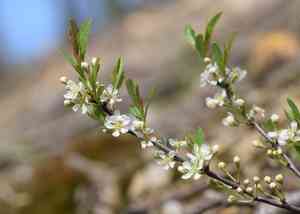
The sand cherry, a resilient bush known for its appealing spring flowers and summer produce, can be effectively multiplied via cuttings. To ensure a more robust beginning, choose semi-hardwood stems that display strong development. Cut these to a suitable size, making sure several leaf nodes are included, as these are vital for root formation. Applying rooting hormone can improve the establishment of young plants, fostering a superior root system. Place them in a potting mix that drains well, under diffused light, and keep the soil moderately damp until roots are fully developed. With diligent care, these cuttings will flourish and mirror the captivating traits of the sand cherry.
Optimal Time for Sand Cherry Propagation
Propagation Method
Cutting
Propagation Period
Autumn,Winter
Tools Required for Sand Cherry Propagation
Sharp Pruning Shears
These are crucial for making clean, precise cuts when taking sand cherry cuttings. Accurate cuts help prevent infection and promote quicker healing and rooting.
Rooting Hormone Powder
This compound stimulates root formation on new sand cherry cuttings, significantly boosting the chances of successful plant establishment and growth.
Sterile Potting Mix
A sterile medium prevents illnesses and supports the delicate new roots of sand cherry as they grow. Suitable mixes often include peat and perlite, optimizing moisture retention and air circulation.
Humidity Dome or Plastic Bags
Maintaining high humidity around sand cherry cuttings is vital to prevent moisture loss from leaves until roots are established. A dome or bag creates an ideal environment for this.
Heat Mat
Placing sand cherry cuttings on a heat mat encourages root growth by providing a steady, appropriate temperature. This is especially useful in colder climates or during cooler months.
Propagating Sand Cherry
Propagation Difficulty
Moderately Difficult
Post-Propagation Care for Sand Cherry
Post-Propagation Care for Sand Cherry
After transplanting, position the young sand cherry in a spot with full sun to partial shade and water regularly to keep the soil consistently moist. Shield the plant from harsh weather and monitor for pests or diseases. Once sand cherry is established, prune annually for shape, and apply balanced fertilizer during the growing season to support healthy growth and development.
Common Errors to Avoid When Propagating Sand Cherry
Overwatering cuttings
Excess moisture can lead to root rot or fungal infections in sand cherry cuttings, potentially killing young plants before they fully develop.
Poor cutting selection
Using old or diseased sand cherry branches can result in low success rates as they may lack the vigor to root or could transmit diseases to new plants.
Ignoring hygiene
Failing to sterilize propagation tools can spread diseases between plants, potentially infecting healthy sand cherry cuttings with pathogens.
Planting at incorrect depth
Planting sand cherry cuttings too deep can cause them to rot, while planting them too shallowly may expose delicate new roots to air, leading to desiccation.
Tips for Propagating Sand Cherry
Use healthy parent plants
Choose healthy and robust parent sand cherry specimens for cuttings to increase the likelihood of successful root development.
Proper cutting preparation
Prepare sand cherry cuttings with a clean, angled cut to maximize the surface area for root growth and ensure rapid water absorption.
Appropriate moisture levels
Maintain consistent moisture levels for sand cherry cuttings without overwatering to prevent root rot and provide optimal conditions for root formation.
Use rooting hormones
Applying a rooting hormone to the cut end of sand cherry cuttings can stimulate root growth and enhance propagation success rates.



