Enhancing Your Garden Design with the Sand cherry Plant: A Landscaping Guide
1
The sand cherry provides year-round aesthetic appeal through its distinct seasonal transformations.
2
This shrub fits well into diverse garden designs, ranging from structured to contemporary.
3
Beyond its ornamental value, the sand cherry contributes to the local ecosystem and enhances atmospheric purity.
Appreciating the Visual Qualities of Sand cherry
Discovering the Distinctive Color and Texture of Sand cherry
A prominent characteristic of Sand cherry is its unique coloration and tactile quality. Its leaves frequently display a deep green shade, providing a rich contrast against the surrounding environment. Furthermore, the foliage's texture offers a lush, almost velvety look, adding depth and visual interest to your garden. This blend of color and texture is especially striking when Sand cherry serves as a focal point in a garden bed or alongside a path.
Seasonal Transformations: Year-Round Visual Appeal
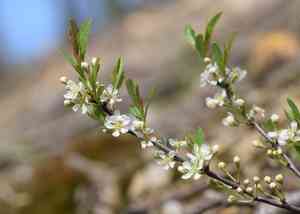
Sand cherry changes with the seasons, presenting a dynamic spectacle that keeps your garden engaging throughout the year. In spring, anticipate a burst of blooms that bring a fresh and lively appearance to your landscape. As the year progresses, the leaves darken, and by autumn, they shift into magnificent orange and red tones. Even in winter, the plant's structure and bark offer visual intrigue. This seasonal evolution ensures Sand cherry remains a captivating feature in your garden regardless of the time of year.
Ideal for Various Landscape Designs
Whether you prefer a formal garden, a charming cottage garden, or a sleek modern landscape, Sand cherry integrates seamlessly into diverse design aesthetics. Its adaptability in terms of color, form, and planting arrangements makes it a versatile option. You can utilize Sand cherry as a standalone specimen, part of a mixed border, or even as a hedge. Its capacity to complement different garden themes while retaining its unique attributes truly makes Sand cherry a valuable addition to any landscape.
Integrating Sand cherry into Different Garden Styles
Formal Gardens: Balance and Sophistication
For those who value the structured beauty of formal gardens, Sand cherry offers an excellent solution. Its consistent growth habit and manageable size make it perfect for creating symmetrical layouts. Plant Sand cherry in pairs or along garden pathways to establish a sense of order and equilibrium. When pruned carefully, Sand cherry can also be shaped into neat forms that enhance the elegant, refined look typical of formal landscapes.
Cottage Gardens: Relaxed Charm
In contrast to the formality of symmetrical gardens, cottage gardens embrace a more relaxed and organic style. Here, Sand cherry can be used to add layers and texture, blending effortlessly with other perennial flowers and shrubs. Its spring blossoms work particularly well with the typical abundance of colors found in cottage gardens. Sand cherry introduces a touch of natural beauty without overpowering the casual, charming ambiance of these garden styles.
Modern Landscapes: Simplicity and Emphasis
Modern landscapes often prioritize clean lines, minimalism, and a curated selection of plants. Sand cherry aligns well with these principles, thanks to its straightforward yet striking appearance. When used sparingly, Sand cherry acts as an anchor point in minimalist designs, offering visual interest without cluttering the space. Its subdued color palette and neat growth habit make it an excellent choice for contemporary gardens seeking a balance of simplicity and sophistication.
Ecological Advantages of Using Sand cherry in Landscaping
Boosting Local Ecosystems: Supporting Pollinators and Wildlife
Beyond its aesthetic appeal, Sand cherry plays a vital role in supporting local ecosystems. Its spring flowers provide nectar for bees, butterflies, and other pollinators, which are crucial for maintaining a healthy garden environment. Additionally, the berries produced later in the season offer food for birds and other wildlife. By incorporating Sand cherry into your landscape, you contribute to a flourishing ecosystem right in your backyard.
Drought Resistance: Ideal for Water-Wise Gardens
In an era where water conservation has become increasingly important, Sand cherry stands out for its ability to withstand dry conditions. This plant is a resilient option for xeriscaping or low-water gardens, requiring less frequent irrigation than many other ornamental plants. Its capacity to thrive in arid environments helps reduce your garden's overall water consumption, making it both an environmentally and economically sound choice.
Natural Air Purification
Another often-underestimated benefit of planting Sand cherry is its capacity to enhance air quality. Like many other plants, Sand cherry absorbs carbon dioxide and releases oxygen through photosynthesis. Furthermore, its foliage can capture dust, pollutants, and other particles, acting as a natural air filter. This makes Sand cherry not only a beautiful but also a beneficial addition to your landscape for fostering a healthier living environment.
Guidelines for Planting and Caring for Sand cherry in Your Landscape
Choosing the Optimal Location for Growth and Display
To ensure Sand cherry flourishes, it's crucial to select an appropriate planting site. Look for a location that receives ample sunlight, as Sand cherry prefers full sun to partial shade. Well-drained soil is also essential to prevent root rot. Consider planting Sand cherry in a spot where it can be easily seen and enjoyed, such as near a patio, along pathways, or as a centerpiece in a garden bed.
Soil Preparation and Fertilization Fundamentals
Preparing the soil before planting Sand cherry is vital for its long-term health. Begin by loosening the soil and incorporating organic matter like compost to improve fertility and drainage. While Sand cherry isn't overly demanding regarding fertilization, a balanced, slow-release fertilizer in spring can provide the necessary nutrients for vigorous growth. Be careful not to over-fertilize, as this can lead to excessive foliage at the expense of flower and fruit production.
Pruning Techniques for Optimal Health and Appearance
Regular pruning helps maintain the shape and health of Sand cherry. The best time for pruning is late winter to early spring, just before new growth begins. Remove any dead or diseased branches, and thin out overcrowded areas to improve air circulation. By selectively pruning, you can also encourage a more aesthetically pleasing form and enhance the plant's flowering potential. Remember, thoughtful pruning is not just about cutting branches but sculpting the plant to highlight its natural beauty.



