How to Transplant Violet woodsorrel?
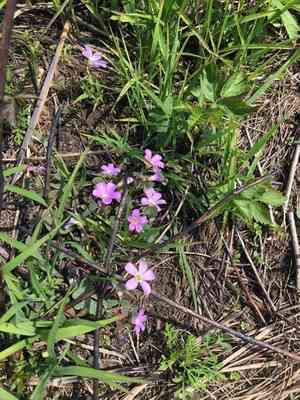
The ideal period for transplanting violet woodsorrel is during the revitalizing warmth of mid to late spring, which facilitates strong root development. Select a site offering partial shade and adequately draining earth to foster violet woodsorrel's health.
What Preparations are Necessary Before Relocating Violet Woodsorrel?
What is the Optimal Period for Moving Violet Woodsorrel?
The best time for moving violet woodsorrel is during mid-spring. This season offers mild weather, promoting root development before summer's heat. Transplanting violet woodsorrel during these vibrant growth weeks ensures the plant has ample time to settle and establish deep roots, leading to a strong, thriving display. By relocating violet woodsorrel within this timeframe, you benefit from moderate temperatures and increased moisture, crucial for a smooth transition. Aligning with violet woodsorrel's natural growth cycle in this way fosters a successful transplant.
How Much Space Should You Provide Between Violet Woodsorrel Plants?
When moving your violet woodsorrel, aim for approximately 1-2 feet (0.30-0.61 meters) of distance between each plant. This allows them ample room to grow and flourish without competing for resources.
What is the Best Soil Mixture for Violet Woodsorrel Relocation?
For your violet woodsorrel, select a well-draining soil rich in organic material. Incorporate a balanced slow-release fertilizer into the soil to supply essential nutrients. Remember, healthy soil is key to a flourishing plant!
Where Should You Replant Your Violet Woodsorrel?
Your violet woodsorrel will thrive in a sunny to partially shaded spot. Just ensure the sun isn't too intense! Excessive direct sunlight can scorch leaves, while too little can hinder growth. Happy replanting!
What Equipment Should You Prepare Before Relocating Violet Woodsorrel?
Gardening Gloves
To safeguard your hands while handling soil and violet woodsorrel.
Shovel or Spade
To excavate violet woodsorrel from the ground without harming the root ball or to dig an appropriate hole at the new planting site.
Garden Trowel
For loosening the soil around violet woodsorrel in a pot or seedling container.
Pruning Shears
To snip off any damaged or diseased roots or foliage.
Wheelbarrow or Container
To transport violet woodsorrel from its current spot to the new planting location.
Watering Can or Hose
To hydrate the violet woodsorrel before and after its relocation.
Mulch
To help maintain soil moisture around the newly transplanted violet woodsorrel.
Soil Test Kit
This can help confirm the new soil's pH levels are suitable for violet woodsorrel.
How Do You Extract Violet Woodsorrel from the Soil?
How Do You Extract Violet Woodsorrel from the Soil?
From Ground: First, water the violet woodsorrel plant to moisten the surrounding soil. This will ease the digging process and reduce plant stress. Use your shovel to dig a wide circle around the plant, ensuring the root ball remains intact. Gently loosen the soil and carefully lift the plant from the ground, preserving as much of the root system as possible.From Pot: Water the violet woodsorrel thoroughly before starting. Turn the pot on its side and gently tap the edges. The root ball should slide out. If the plant is root-bound, you might need a trowel or knife to loosen the soil and roots along the pot's edge.From Seedling Tray: If your violet woodsorrel is in a seedling tray, its roots are likely not yet highly developed. Be extremely gentle when removing each seedling. Carefully separate the seedlings, keeping as much root as possible. Handle the seedlings by their leaves to avoid crushing their delicate stems.
Step-by-Step Guide for Relocating Violet Woodsorrel
Site Preparation
Prepare the new spot by loosening the soil in a hole that is twice as wide and the same depth as the root ball of your violet woodsorrel.
Plant Installation
Position the violet woodsorrel in the hole. The top of the root ball should be level with or slightly below the surrounding soil to allow for settling. Backfill the hole halfway, then water thoroughly to eliminate any air pockets. Once the water drains, finish filling the hole with soil.
Watering
Immediately after relocating, water the violet woodsorrel generously to help settle the soil. When watering, aim to moisten the soil deeply rather than the foliage, as this encourages roots to grow deeper into the soil.
Mulching
Apply a layer of mulch around the violet woodsorrel, but be careful not to let it touch the plant's stem. Mulch helps the soil retain moisture and prevents weed growth.
How Do You Care For Violet Woodsorrel After Relocation?
Pruning
Trim off any dead or damaged leaves and stems to encourage new growth and to help the violet woodsorrel focus its energy on developing a stronger root system.
Watering
Keep the soil consistently moist but not waterlogged. Overwatering can be just as detrimental as underwatering, and both can lead to root rot.
Feeding
Wait a week or two before applying a balanced, slow-release fertilizer to provide your violet woodsorrel with the nutrients it needs to recover from the relocation and begin new growth.
Pest and Disease Watch
Monitor your newly relocated violet woodsorrel for signs of pests or disease. If you observe midges, fungus gnats, or any discolorations on the leaves, refer to plant-specific guidelines for treatment.
Troubleshooting Common Issues with Violet Woodsorrel Relocation.
What is the optimal time to relocate violet woodsorrel?
The best moment to relocate violet woodsorrel is between late spring and early summer. This period typically offers ideal growing conditions.
How far apart should I position violet woodsorrel plants when relocating?
Allow between 1-2 feet (30-60 cm) spacing between violet woodsorrel plants to ensure healthy growth. This gives each plant sufficient room to thrive.
Are there any specific soil requirements when relocating violet woodsorrel?
Violet woodsorrel plants prefer well-drained soil, rich in organic matter. If the soil is too clayey, consider adding compost for improved texture and nutrient content.
What should I do if violet woodsorrel's leaves lose their color after relocating?
If violet woodsorrel's leaves fade after relocating, it could indicate stress or improper watering. Keep the soil slightly moist and avoid direct midday sunlight.
How to prepare the relocation hole for violet woodsorrel?
Dig a hole twice as wide as violet woodsorrel's root ball but the same depth. Backfill the hole with a mix of garden soil and compost until it's level with the surface.
How to handle roots when relocating violet woodsorrel?
Gently tease out the roots of violet woodsorrel before planting. This encourages them to spread out in the soil. Be sure not to damage the roots during this process.
What amount of sunlight does violet woodsorrel need post-relocation?
Violet woodsorrel prefers partial shade to full sun. Try to find a spot that receives sunlight but also offers some protection, especially during the hottest parts of the day.
How often do I need to water violet woodsorrel after relocating?
Water violet woodsorrel immediately after relocating, then only when the top 1 inch (2.5 cm) of soil is dry. Remember, violet woodsorrel prefers slightly moist, not waterlogged soil.
What should I do if the violet woodsorrel plant becomes wilted after relocating?
Wilting after relocating might be a sign of transplant shock. Keep the soil moist, provide shade, and give violet woodsorrel some time to adjust to its new home.
How to fertilize violet woodsorrel after relocating?
A balanced slow-release fertilizer can be applied at the time of relocating. Afterwards, fertilize violet woodsorrel once every 4-6 weeks during the growing season for best results.



