How to Propagate Violet woodsorrel?
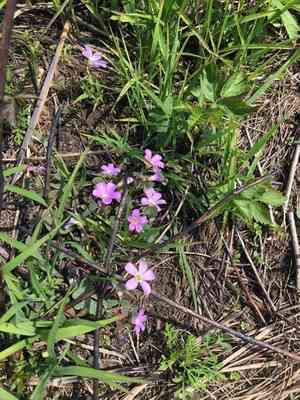
Oxalis violacea, a fragile perennial, is recognized for its clover-like foliage and purple blossoms. Successful propagation of Oxalis violacea occurs via its tubers, which naturally proliferate. Meticulous separation of these subterranean storage structures enables cultivators to grow additional specimens. Exercise caution during the division procedure and embed the tubers in soil that drains effectively, preferably enhanced with organic material, to foster robust development. Regular hydration and partial shade will aid their establishment in new locations.
Optimal Time for Violet Woodsorrel Propagation
Propagation Method
Utilize The Tubers
Propagation Period
Spring
Tools for Violet Woodsorrel Propagation
Small trowel
This hand tool is crucial for excavating small holes or furrows for planting violet woodsorrel tubers. Its compact form and sharp edge enable precise control when creating planting sites without excessively disturbing surrounding soil structures, which is vital given the delicate nature of violet woodsorrel's root systems.
Garden fork
A garden fork is beneficial for loosening soil in preparation for planting violet woodsorrel's tubers. It aids in aerating the soil, ensuring an environment conducive to root growth and water penetration. The tines of the fork can gently break up the soil, supporting healthy root development without being overly invasive.
Watering can with a gentle spray nozzle
Proper hydration is essential during violet woodsorrel propagation. A watering can with a gentle spray nozzle ensures even water distribution over the soil and tubers without dislodging them or causing erosion. The soft spray pattern is gentle enough to moisten the soil without exposing newly planted tubers.
Rooting hormone (optional)
While not mandatory, a rooting hormone can improve the rooting success of violet woodsorrel tubers. It encourages faster root development and increases the overall propagation success rate. The hormone should be applied to the tuber's base before planting, following manufacturer's instructions.
Labeling sticks and a permanent marker
These are vital for tracking where and when violet woodsorrel's tubers were planted. Proper labeling helps manage the propagation timeline and maintain organized records, which is beneficial for monitoring growth stages and ensuring optimal care throughout the propagation process.
Caring for Your Newly Propagated Violet Woodsorrel
Caring for Your Newly Propagated Violet Woodsorrel
Violet woodsorrel care after propagation involves keeping the plant in bright, indirect light and ensuring regular watering, allowing the soil to dry slightly between waterings. As the plant matures, it can withstand brief dry spells. However, the soil should generally remain lightly moist, especially during active growth. Fertilize violet woodsorrel with a balanced liquid fertilizer, diluted to half strength, every four to six weeks during the growing season. As a perennial, it enters dormancy; reduce watering then and resume regular care when new growth appears.
Common Errors to Avoid When Propagating Violet Woodsorrel
Overwatering
Excessive watering can lead to root rot, which is harmful to violet woodsorrel's health as it prefers well-drained soil.
Deep planting
Planting violet woodsorrel's bulbs too deeply can hinder their sprouting due to insufficient access to sunlight and air.
Neglecting separation
Failure to separate overcrowded clumps can result in competition for resources, limiting the growth and propagation success of violet woodsorrel.
Using poor soil
Employing soil that drains poorly or lacks sufficient nutrients can impede the root development and overall health of violet woodsorrel.
Ignoring pests
Disregarding signs of pests can lead to infestations that can severely damage or kill young and propagating violet woodsorrel.
Advice for Propagating Violet Woodsorrel
Bulb division
Carefully divide violet woodsorrel's bulbs during dormancy, ensuring each division has at least one shoot for optimal propagation results.
Appropriate depth
Plant bulbs at the correct shallow depth to allow for adequate exposure to sunlight and air circulation.
Soil quality
Ensure the use of a well-draining mix rich in organic matter to promote healthy root development for violet woodsorrel.
Periodic checks
Regularly inspect for pests and diseases to keep violet woodsorrel healthy and capable of effective propagation.
Moderate watering
Provide violet woodsorrel with moderate watering to maintain soil moisture without causing waterlogging.



