How to Prune Violet woodsorrel?
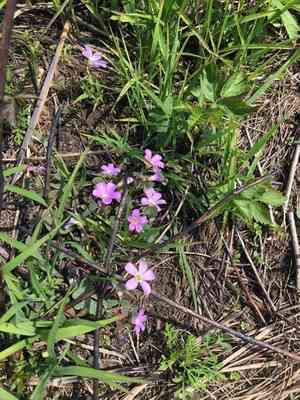
This enduring herbaceous species, recognized for its trefoil-like leaves and blossoms ranging from pink to lavender, flourishes in forested environments. Trimming violet woodsorrel entails removing faded flowers to stimulate additional blooming and excising any impaired or ailing leaves when necessary. The most effective time for pruning spans from spring to autumn, coinciding with its periods of vigorous development. Pruning benefits violet woodsorrel by fostering a more orderly growth pattern, deterring infestations, and guaranteeing that energy is channeled toward robust development, thereby elevating its aesthetic value.
Advantages of Trimming Violet Woodsorrel
Advantages of Trimming Violet Woodsorrel
Trimming violet woodsorrel promotes abundant flowering, stimulates vigorous development, and maintains a desired shape. Precise cuts enhance plant vitality and aesthetic appeal, ensuring violet woodsorrel flourishes optimally.
Optimal Time for Pruning Violet Woodsorrel
Optimal Time for Pruning Violet Woodsorrel
Pruning violet woodsorrel in spring coincides with its post-dormancy growth surge, allowing rapid healing and energy redirection to new growth. Late summer trimming prepares violet woodsorrel for autumn by removing spent blooms and encouraging a neat appearance. Early fall pruning ensures violet woodsorrel doesn't waste energy on parts that will perish in winter, focusing resources on healthy sections for the next season. These periods avoid disrupting violet woodsorrel's flowering cycle and help maintain plant vigor and beauty.
Essential Tools for Pruning Violet Woodsorrel
Hand Pruners (Secateurs)
Perfect for clean, precise cuts needed to remove dead or overgrown stems from violet woodsorrel without harming delicate leaves and flowers.
Shears (Pruning Scissors)
Suitable for trimming and shaping violet woodsorrel's foliage due to its small size and need for minimal, careful pruning.
Gloves
Protect the gardener's hands from accidental cuts and provide a better grip on tools when handling violet woodsorrel.
Steps to Prune Violet Woodsorrel
Sanitize Tools
Before pruning violet woodsorrel, clean and disinfect pruning tools to prevent disease transmission. Use a 1:9 bleach-to-water solution to sanitize blades. Rinse and dry tools after disinfection.
Remove Diseased Leaves
Identify and carefully remove any diseased leaves from violet woodsorrel. Use precision pruners to snip the leaf at its base, avoiding damage to healthy surrounding foliage.
Trim Withered Leaves
Trim withered leaves from violet woodsorrel to maintain a healthy look and encourage new growth. Cut each leaf at its base where it meets the stem or at the start of the withered area, if the rest of the leaf is healthy.
Deadhead Flowers
Deadhead faded flowers on violet woodsorrel by pinching them off or using scissors to snip them at the base of the flowering stem. This promotes continuous blooming and redirects energy to new flowers.
Clean Up
After pruning, clean up and dispose of all removed foliage and flowers of violet woodsorrel to eliminate potential sources of disease or pest infestation. Ensure the surrounding area is clear of debris to maintain plant health.
Common Pruning Errors with Violet Woodsorrel
Excessive Pruning
Removing too much foliage from violet woodsorrel can weaken the plant, as it relies on its leaves for photosynthesis. A balanced approach is crucial for plant health.
Failure to Remove Dead or Damaged Leaves
Neglecting to trim away dead or diseased foliage can lead to pest infestations and fungal diseases, as these areas can harbor pathogens.
Using Dull or Dirty Tools
Cutting violet woodsorrel with dull or unclean equipment may damage stems and leave the plant vulnerable to disease.
Pruning During Active Growth Periods
Removing parts of violet woodsorrel when it's actively growing can stress the plant and hinder flower production. Pruning should be done carefully outside these periods.
General Pruning Advice for Violet Woodsorrel
Clean Tools
Before pruning violet woodsorrel, ensure tools are sharp and sterilized to prevent disease spread and make clean cuts that heal quickly.
Remove Spent Flowers
Pinching off old blooms encourages violet woodsorrel to produce more flowers and prevents the plant from wasting energy on seed production.
Light Shaping
Trim violet woodsorrel to maintain its shape and encourage bushier growth. Avoid cutting into woody stems, as this can harm the plant.
Thin Crowded Areas
Thin out crowded sections to improve air circulation, which helps prevent fungal diseases and encourages more robust growth.
Sanitary Pruning
Regularly remove any fallen or diseased foliage from the ground around violet woodsorrel to maintain good sanitation and prevent disease spread.



