The Hidden Danger in Your Home? Unmasking the Toxicity of the Violet woodsorrel Plant.
1
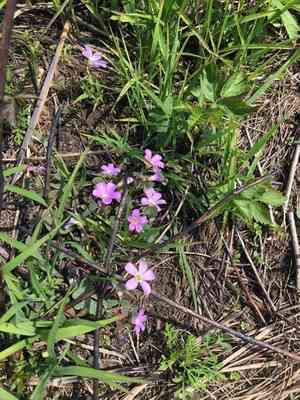
Violet woodsorrel poses a danger to felines and canines, potentially causing serious health issues if ingested.
2
Signs such as digestive distress and sluggishness may appear in dogs after consuming violet woodsorrel.
3
Prompt veterinary attention is essential for the most favorable prognosis if pets eat violet woodsorrel.
Is Violet woodsorrel toxic to cat?
Violet woodsorrel poses a health hazard to cats if ingested. Felines could inadvertently consume the plant, placing them at risk. Every part of violet woodsorrel, including its foliage, blooms, fruits, roots, seeds, stalks, bark, and sap, contains harmful substances. Should a cat eat this plant, signs of distress or sickness might appear. It's crucial for cat owners to observe their pets carefully and get immediate veterinary help at the initial indication of possible poisoning for timely and suitable treatment.
Is Violet woodsorrel toxic to dog?
Violet woodsorrel is deemed harmful to dogs. Canines might accidentally consume portions of the plant, such as its leaves, blossoms, fruits, roots, seeds, stems, or sap. Following ingestion of violet woodsorrel, a dog could display symptoms like digestive upset, sluggishness, or more severe responses based on the quantity eaten. It is essential for dog owners to supervise their pets and restrict their access to violet woodsorrel. If a dog does consume any part of violet woodsorrel, it is critical to obtain immediate veterinary attention to ensure the best possible prognosis for the animal.



