How Much Sunlight Do Violet woodsorrel Need?
1
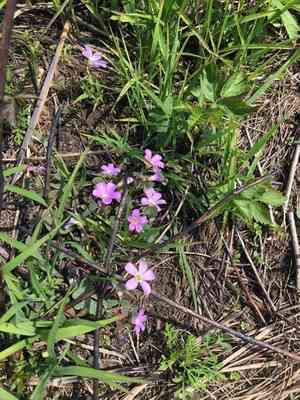
Violet woodsorrel flourishes in bright sunlight but can endure some dappled light.
2
Ensure Violet woodsorrel receives a minimum of 6 hours of direct sun each day for peak development.
3
Evidence of excessive sun exposure includes burned leaves, whereas insufficient light may lead to stretched, weak stems.
Optimal Sunlight for Violet woodsorrel
Partial Shade or Full Sun?
For Violet woodsorrel, more light generally leads to healthier growth. Ideally, this plant flourishes in full sun, meaning at least 6 hours of direct sunlight daily. However, it can also tolerate partial shade, offering flexibility for limited garden space or varied indoor light. Partial shade implies some direct sun, typically morning or late afternoon, but protection from intense midday rays.
Identifying Ideal Sunlight Conditions
Recognizing the correct light for your Violet woodsorrel is vital for its health. Observe the sun's most intense path daily. East-facing windows or outdoor spots receiving morning sun are perfect. Robust growth, vivid colors, and abundant blooms indicate proper light. Conversely, if the plant stretches for light or its leaves are pale, it likely needs more sun.
Positioning Violet woodsorrel for Optimal Sunlight
Indoor Placement Advice
For indoor cultivation, place your Violet woodsorrel near a bright, sunny window, ideally east or south-facing, to ensure ample light throughout the day. If an ideal spot is unavailable, consider using grow lights. Rotate the plant periodically to ensure even light distribution, promoting balanced growth.
Outdoor Placement Advice
Outdoors, situate your Violet woodsorrel where it receives at least 6 hours of direct sunlight. This could be in a garden bed, on a patio, or in a movable container. Morning sun with afternoon shade can prevent leaf burn, especially in warmer climates. Ensure the plant isn't overshadowed by taller vegetation or structures.
Impact of Insufficient Sunlight on Violet woodsorrel
Recognizing Low Light Stress
Inadequate sunlight can cause various stress symptoms in Violet woodsorrel. Common signs include etiolated growth, where the plant elongates towards the light, resulting in stretched stems and sparse foliage. You might also observe a lack of flowering, pale or yellowing leaves, and an overall weakened appearance. If these symptoms appear, evaluate its light conditions.
Remedies for Low Sunlight Exposure
To correct insufficient sunlight, relocate the plant to a brighter area, either indoors or outdoors. If moving isn't possible, supplement natural light with artificial grow lights. Position these lights approximately 15-30 centimeters (6-12 inches) above the plant, operating them for about 10-12 hours daily to simulate natural sunlight. Gradually increasing exposure helps the plant adapt without stress.
Impact of Excessive Sunlight on Violet woodsorrel
Identifying Sunburn Symptoms
While Violet woodsorrel enjoys sunlight, too much can be detrimental. Signs of sunburn include scorched or crispy leaf edges, brown spots on foliage, and a general wilting appearance despite adequate watering. If these signs are present, your plant may be receiving excessive direct sunlight, particularly during peak midday hours.
Preventative and Corrective Measures for Sun Damage
To prevent and treat sunburn in your Violet woodsorrel, provide shade during the hottest parts of the day. This can be achieved with shade cloths, curtains, or by moving the plant to a less intense light location. Prune damaged leaves to encourage healthy new growth. Additionally, ensuring the plant is well-hydrated during hot periods can help alleviate some stress from excessive sunlight.
Seasonal Sunlight Adjustments for Violet woodsorrel
Seasonal Light Requirements
The sunlight needs of your Violet woodsorrel can vary seasonally. During spring and summer, with longer days and stronger sun, your plant will require the full 6 hours of direct light daily. However, in fall and winter, when daylight hours are shorter and less intense, it can thrive in slightly reduced light conditions without significant harm.
Adapting to Day Length Changes
Adapting to seasonal shifts involves strategic placement adjustments. In winter, you might need to move your Violet woodsorrel to a brighter indoor spot or add supplemental lighting. Conversely, during peak summer, providing afternoon shade can protect it from intense heat and sun. Regularly monitoring sun exposure and adjusting as needed ensures year-round plant health.
Tools for Optimizing Violet woodsorrel Sunlight
Utilizing Grow Lights
If natural sunlight is inadequate, or for indoor Violet woodsorrel cultivation, grow lights are an excellent solution. These lights mimic natural sunlight and come in various spectrums for different growth stages. Position them 15-30 centimeters (6-12 inches) above the plant, providing about 10-12 hours of light daily. LED grow lights are energy-efficient and effective for this purpose.
Shading Accessories for Intense Sunlight
To shield your Violet woodsorrel from excessive sunlight, consider using shading accessories. Shade cloths can be draped over outdoor plants or installed on windows to filter intense light. Indoors, sheer curtains can diffuse direct sunlight, creating a gentler light environment. These accessories are especially useful during hot summer months to prevent sunburn and scorching.



