Enhancing Your Garden Design with the Violet woodsorrel Plant: A Landscaping Guide
1
Violet woodsorrel adapts well and fits into diverse garden designs.
2
Adequate exposure to sun and shade is vital for Violet woodsorrel's development.
3
Pairing Violet woodsorrel with other flora produces attractive visual differences.
Introducing Violet Woodsorrel in Garden Design
Brief overview of Violet woodsorrel and its distinct characteristics
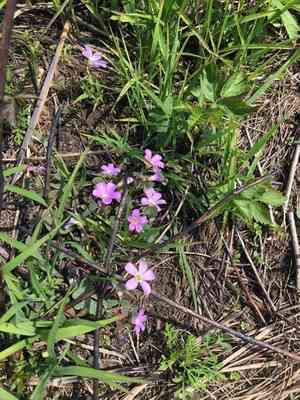
Violet woodsorrel is a distinctive and adaptable plant recognized for its delicate foliage and charming blossoms. It features heart-shaped leaves and vibrant pink flowers that lend a whimsical touch to any garden. Its low-growing nature makes it an excellent ground cover, forming a lush, green carpet that complements various landscape styles. Furthermore, Violet woodsorrel is relatively simple to care for, making it a favorite for both new and experienced gardeners.
Understanding Violet woodsorrel's role in environmentally friendly landscaping
Selecting Violet woodsorrel for your landscape isn't solely about aesthetics; it's also about being environmentally conscious. This plant is known for its minimal water needs, making it perfect for sustainable gardening practices. By incorporating Violet woodsorrel into your garden, you can decrease water usage and foster ecological balance. Moreover, Violet woodsorrel attracts beneficial insects such as bees and butterflies, supporting local biodiversity.
The aesthetic advantages of incorporating Violet woodsorrel into garden layouts
Aesthetically, Violet woodsorrel provides a subtle textural contrast that enhances your garden's visual appeal. The plant's unique foliage and seasonal blooms offer a continuous display of colors and patterns. When planted in large groupings, Violet woodsorrel can create an eye-catching ground cover that unifies various elements of your landscape. Additionally, its understated elegance can serve as an ideal backdrop for more vibrantly colored plants, offering a balanced and harmonious garden design.
Optimal Placement for Violet Woodsorrel
Choosing the best spots for planting Violet woodsorrel
To maximize the impact of Violet woodsorrel, consider placing it in areas that need ground cover or border accents. Its spreading growth habit makes it ideal for filling in spaces between larger plants or along garden pathways. Planting Violet woodsorrel near rocks or garden walls can also add a naturalistic feel, seamlessly blending man-made structures with the organic beauty of the landscape.
How light exposure influences Violet woodsorrel's development
Sunlight plays a vital role in Violet woodsorrel's growth. While the plant tolerates various light conditions, it thrives best in areas with partial shade. Too much direct sun can cause leaves to wilt, while too little can hinder blooming. Aim for a location that receives morning sun and afternoon shade to keep Violet woodsorrel healthy and vibrant.
Integrating Violet woodsorrel into diverse landscape themes
Violet woodsorrel is highly adaptable and can be incorporated into various landscape themes. Whether you're aiming for a cottage garden, a woodland retreat, or a modern minimalist design, Violet woodsorrel fits right in. Its naturalistic appearance makes it an excellent choice for creating informal, relaxed garden spaces. For a cohesive look, consider pairing Violet woodsorrel with other shade-loving plants like ferns, hostas, and astilbes.
Pairing Violet Woodsorrel with Other Plants
Effective companion plants for Violet woodsorrel
When planning your garden, consider plants that complement Violet woodsorrel's growth patterns and aesthetic qualities. Suitable companion plants include ferns, which share a similar preference for shady conditions, and hostas, which offer contrasting leaf shapes and sizes. Together, these plants create a lush, layered look that adds depth and interest to your garden.
Design tips for layering and textural contrasts
To get the most out of Violet woodsorrel, use it to layer different textures and heights within your garden. Place taller plants behind Violet woodsorrel to create a tiered effect, which adds visual intrigue. The delicate leaves of Violet woodsorrel provide a fine texture that contrasts beautifully with the bold, broad leaves of hostas or the feathery fronds of ferns. This layering technique not only looks pleasing to the eye but also promotes a more diverse and resilient garden.
Seasonal considerations for year-round appeal
For a garden that looks beautiful year-round, it's essential to consider the seasonal changes of your plants. Violet woodsorrel blooms in spring and early summer, offering vibrant color during these seasons. To ensure year-round appeal, pair Violet woodsorrel with plants that have interesting features in other seasons. For example, combine it with evergreens or ornamental grasses that provide winter interest, or late-blooming perennials that extend the flowering season.
Caring for Violet Woodsorrel in Your Landscape
Basic care tips to enhance Violet woodsorrel's longevity
Maintaining Violet woodsorrel is straightforward, but a few basic steps can extend its longevity and beauty. Regular watering during dry spells, occasional mulching to retain soil moisture, and removing any dead or yellowing leaves can keep the plant in top condition. Additionally, fertilizing with a balanced, slow-release fertilizer in early spring can promote healthy growth and abundant blooms.
Managing Violet woodsorrel's spread in larger areas
While Violet woodsorrel is valued for its ground-covering abilities, it can sometimes spread more vigorously than desired. To manage its growth, consider using physical barriers like garden edging to contain the plant. Regularly check the edges of your planting area and trim back any runners that extend beyond its designated space. This will help maintain a tidy appearance and prevent Violet woodsorrel from encroaching on other plants.
Seasonal care adjustments for optimal growth
To ensure optimal growth throughout the year, adapt your care routine to the changing seasons. In spring, focus on encouraging new growth by fertilizing and ensuring adequate water. During the hot summer months, provide shade and maintain consistent moisture levels. In fall, prepare the plant for winter by reducing watering and applying a layer of mulch to protect the roots from cold temperatures.
Challenges and Solutions in Cultivating Violet Woodsorrel
Common issues encountered when growing Violet woodsorrel
Growing Violet woodsorrel can present its own set of challenges. Common issues include overgrowth in certain areas, susceptibility to pests like aphids, and occasional fungal infections due to damp conditions. Recognizing these challenges early on can help you address them before they become significant problems.
Practical solutions to overcome these challenges
Fortunately, there are practical solutions to these challenges. To combat overgrowth, regular trimming and the use of barriers can keep Violet woodsorrel contained. For pest issues, natural predators like ladybugs can help control aphid populations, while neem oil or insecticidal soap can be effective treatments. Ensuring good air circulation and avoiding overwatering can mitigate fungal problems.
Proactive measures for disease and pest management
Prevention is better than cure, especially when it comes to disease and pest management. Regularly inspect your plants for early signs of trouble, like discolored leaves or visible pests. Employ organic gardening practices such as companion planting to deter pests and use mulch to improve soil health. Keeping your garden clean by removing debris and fallen leaves can also reduce the risk of disease.



