How to Overwinter Violet woodsorrel
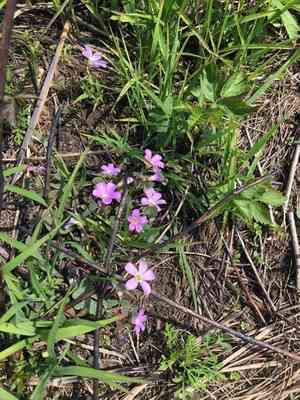
1
Violet woodsorrel is a cold-tolerant plant, indicating its ability to withstand lower temperatures more effectively than numerous other varieties.
2
When keeping Violet woodsorrel indoors for winter, guarantee it receives a minimum of 4-6 hours of diffused sunlight each day.
3
Refrain from excessive watering in winter, as Violet woodsorrel favors somewhat drier conditions during its inactive phase.
What is Overwintering Violet woodsorrel?
What is Overwintering Violet woodsorrel?
Overwintering refers to the practice of safeguarding plants through colder months to ensure their survival until the subsequent growing season. For Violet woodsorrel, a resilient plant native to various North American regions, this involves providing optimal conditions to endure winter unharmed. Despite its tolerance to frost, specific measures can help preserve its health and vigor.
Preparing Violet woodsorrel for Overwintering
Assessing Plant Health
Prior to initiating the overwintering process, it's vital to evaluate the health of your Violet woodsorrel. Inspect for any indications of illness or pest infestations, as these problems can intensify during winter. Healthy plants overwinter more successfully, so remove any affected parts and address issues promptly.
Pruning and Cleaning
Pruning constitutes another essential step. Trim back any dead or decaying foliage and stems to aid in disease prevention. Clear away any debris from the plant's base to minimize pest risk. This cleaning regimen ensures that Violet woodsorrel enters winter with a fresh start, free from potential sources of plant stress.
Suitable Locations for Overwintering Violet woodsorrel
Indoor Options
Indoor overwintering frequently proves to be the most effective method for maintaining plant health. Select a spot in your home that is cool but not freezing, and ideally shielded from direct drafts. A sunny windowsill or a room with ample indirect light is ideal. Indoor temperatures should ideally range between 10-15°C (50-59°F).
Outdoor Locations
If outdoor overwintering is your sole option, ensure your Violet woodsorrel is situated in a protected area. A cold frame or unheated greenhouse can offer the necessary safeguarding. Covering the plant with a layer of mulch (approximately 5-10 cm or 2-4 inches) can also shield the roots from extreme cold. Be mindful of prolonged wet conditions, as these can be more detrimental than low temperatures.
How to Care for Violet woodsorrel During Winter?
Light Requirements
Violet woodsorrel requires reduced light during its dormant phase, yet it still needs some exposure. Aim for 4-6 hours of filtered sunlight daily. If you're overwintering indoors, positioning the plant near an east or west-facing window can provide the appropriate balance of light without excessive intensity.
Watering and Humidity
Watering requirements diminish during winter, as excessive watering can lead to root rot. Check soil moisture before watering, allowing the top 2.5-5 cm (1-2 inches) to dry out between waterings. Dry indoor air can be a challenge, so consider using a pebble tray or occasionally misting the plant to maintain proper humidity levels, ideally around 40-50%.
Temperature Control
Maintaining the correct temperature is critical. Aim for a consistent cool range between 10-15°C (50-59°F). Avoid placing the plant near heat sources, such as radiators or vents, as fluctuating temperatures can stress Violet woodsorrel. Keeping the plant away from drafty windows or doors also helps maintain stable conditions.
Common Issues When Overwintering Violet woodsorrel
Pests and Diseases
Even during winter, pests like aphids or spider mites can infest your plants. Regularly inspect your Violet woodsorrel for any signs of these pests and treat them immediately if detected. Fungal diseases can also pose a problem, especially with excessive moisture. Ensure good air circulation around the plant and keep the soil well-drained.
Signs of Stress
Indications of stress in Violet woodsorrel can include yellowing leaves, wilting, or stunted growth. These may stem from inadequate light, watering, or temperature conditions. Address these issues promptly by adjusting your care routine. Relocating the plant to a better spot, correcting watering practices, or modifying the ambient temperature can alleviate stress.



