How to Transplant Parrot's feather?
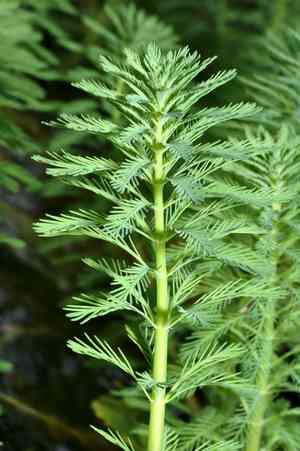
For Myriophyllum aquaticum, the ideal period for relocation is mid-spring, which guarantees vigorous development. Choose an aquatic environment with full sun to partial shade for optimal outcomes. A helpful suggestion: provide ample hydration after transplanting to facilitate smooth adjustment!
What Preparations are Needed Before Transplanting Parrot's Feather?
What is the Ideal Time for Transplanting Parrot's Feather?
The optimal period to move parrot's feather is from early to mid-spring. This timeframe provides mild temperatures and ample development opportunity before summer. Relocating parrot's feather during this window ensures robust establishment and resilience, allowing it to flourish and extend its delicate foliage in your aquatic garden. Choosing this season gives parrot's feather the benefit of cooler, wetter conditions, which is crucial for minimizing transplant shock, fostering strong root growth, and ensuring a smooth transition to its new spot. Select this opportune moment and observe parrot's feather enhancing your pond with lush, oxygenating beauty.
How Much Space Should You Leave Between Parrot's Feather Plants?
When relocating your parrot's feather, remember to provide ample room for its moisture-loving roots to expand. A good estimate is to position each plant approximately 2-3 feet (about 0.6-0.9 meters) apart.
What is the Best Soil Mix for Parrot's Feather Transplanting?
For optimal results with your parrot's feather, aim for a well-draining soil rich in organic matter. Incorporating high-quality compost or an organic-based fertilizer before planting can provide a beneficial boost to your plants.
Where Should You Relocate Your Parrot's Feather?
Your parrot's feather thrives in sunlight! Plan to plant them in a location that receives full sun, or at least six to eight hours of direct sunlight daily. This will promote healthy growth and enhance the plant's vibrant characteristics.
What Equipments Should You Prepare Before Transplantation Parrot's Feather?
Gardening Gloves
To protect your hands from soil and minor abrasions during work.
Spade or Shovel
To excavate the hole in the ground for relocating the parrot's feather plant.
Pruning Shears
To trim the roots and stems of the parrot's feather plant if necessary.
Watering Can
To irrigate the parrot's feather plant after its relocation.
Mulch
To retain soil moisture and suppress weeds around the newly transplanted parrot's feather plant.
How Do You Remove Parrot's Feather from the Soil?
How Do You Remove Parrot's Feather from the Soil?
From Ground: First, water the parrot's feather plant to moisten the surrounding earth. Then, using a spade or shovel, dig a trench around the plant with sufficient radius to encompass all its roots. Carefully work the spade beneath the root ball to lift the plant while preserving its root system.From Pot: Water the parrot's feather plant to dampen the soil for easier extraction. Gently invert the pot while holding the plant at its base. Tap the pot a few times for the plant to slide out along with the soil.From Seedling Tray: Moisten the tray to loosen the soil, facilitating seedling removal. Carefully grasp the parrot's feather seedlings by their leaves, not their stems, and gently extract them from the soil.
Step-by-Step Guide for Transplanting Parrot's Feather
Preparation
Prepare the planting site by digging a hole twice as wide and as deep as the parrot's feather's root ball. The hole's dimensions may vary if it's a seedling.
Place the Plant
Position the parrot's feather plant in the center of the hole. Ensure the top of the root ball is level with or slightly above the surrounding soil to prevent waterlogging.
Backfill the Hole
Partially refill the hole with the original soil, firming the soil around the lower roots. Avoid compacting the soil too much as it can hinder water penetration to the roots.
Water the Plant
Thoroughly water the parrot's feather after transplanting. Sufficient water should be provided to deeply moisten the root zone.
Mulching
Apply mulch around the parrot's feather plant, but ensure it does not touch the stem to avoid attracting pests and diseases.
How Do You Care For Parrot's Feather After Transplanting?
Watering
Keep the soil damp but avoid saturation for the initial weeks following transplantation. Excessive watering can lead to root rot.
Pruning
You might need to trim back the parrot's feather plant to reduce its size if it appears wilted or stressed after transplanting. This can encourage the growth of new and healthy foliage.
Monitoring
Closely observe the transplanted parrot's feather plant over the subsequent weeks. Watch for any indications of stress such as wilting or discolored leaves.
Troubleshooting Common Issues with Parrot's Feather Transplantation.
When is the suitable time to transplant parrot's feather?
The ideal time to move parrot's feather is during the second to third growth cycle. Transplanting at this time can enhance the plant's survival rate.
What should be the ideal gap between two parrot's feather plants while transplanting?
Maintain a distance of 2-3 feet (60-90 cm) between each parrot's feather. This spacing is crucial for healthy growth and expansion.
Why is my transplanted parrot's feather wilting?
Wilting in parrot's feather after transplant might be due to transplant shock. Keeping the soil moist after transplanting and adequately watering the plant could help alleviate the shock.
How deep should the hole be for transplanting parrot's feather?
The hole should be approximately twice as wide and as deep as the root ball of the parrot's feather. This aids in the plant's root establishment.
Why aren't my transplanted parrot's feather plants growing?
Insufficient sunlight, poor soil, or inadequate watering could be reasons why your parrot's feather aren't growing. They require partial to full sun and nutrient-rich soil to thrive.
Should I prune parrot's feather before transplanting?
Yes, it's a good practice to prune parrot's feather prior to transplanting. This promotes fresh growth and helps the plant adapt to the new location.
How to take care of parrot's feather after transplanting?
Post-transplant, parrot's feather needs consistent watering until it establishes. Also, refrain from fertilizing immediately after the transplant to prevent further stress.
How to deal with any pests or diseases after transplanting parrot's feather?
Inspect parrot's feather regularly for signs of pests or diseases. If detected, use organic or chemical pest control methods as advised by gardening experts.
Why does parrot's feather have yellowish leaves after I transplanted it?
Yellow leaves could indicate overwatering or poor drainage. Ensure that your parrot's feather is watered well, but not excessively, and the site has proper drainage.
Can parrot's feather be transplanted in containers?
Yes, parrot's feather can be transplanted in containers. Just ensure the container is sufficiently large and has adequate drainage for optimal plant health.



