How to Prune Parrot's feather?
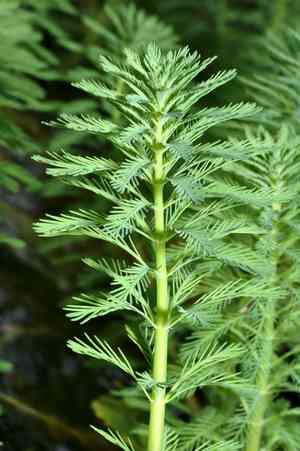
Hailing from South America, Myriophyllum aquaticum is a water-dwelling perennial characterized by its delicate, feather-like leaves, flourishing in moist habitats. To manage its proliferation, perform vigorous trimming by severing the stalks just above the water's plane. The most effective time for this maintenance is in Spring, Summer, and Autumn, which helps preserve its form and prevents it from dominating other aquatic flora. Consistent trimming of Myriophyllum aquaticum fosters more robust development and lessens its potential for invasiveness, thereby safeguarding native biodiversity and the well-being of waterways.
Advantages of Trimming Parrot's Feather
Advantages of Trimming Parrot's Feather
Trimming parrot's feather promotes robust development and preserves its desired form. Regular cutting helps prevent excessive growth, which can lead to poor plant vitality and aesthetic issues in aquatic or garden environments.
Optimal Time for Trimming Parrot's Feather
Optimal Time for Trimming Parrot's Feather
Trimming in Spring coincides with parrot's feather's active growth period, fostering healthier and more manageable development. Early Summer pruning is beneficial for removing spent blooms and preventing unwanted spread. Fall maintenance aids in preparing parrot's feather for dormancy by eliminating old or dead growth, reducing potential for illness.
Tools Required for Trimming Parrot's Feather
Aquatic Plant Trimming Shears
Long-handled, specifically designed to reach into water and trim parrot's feather without disrupting the aquatic ecosystem.
Curved Aquatic Plant Shears
Enable precise cutting and shaping of parrot's feather, helping to maintain its appearance while ensuring healthy development.
Handheld Pruners
Especially effective for removing parrot's feather fragments that are easily accessible at the pond's edge or in a container.
Aquatic Weed Razor
Useful for cutting through dense mats of parrot's feather in larger water bodies, facilitating control over excessive proliferation.
How to Trim Parrot's Feather
Sanitize Tools
Sterilize pruning shears or scissors to prevent the transmission of disease to or from parrot's feather.
Inspect
Examine parrot's feather thoroughly to identify diseased leaves, withered leaves, dead branches, and diseased branches that need removal.
Remove Diseased Leaves
Trim off diseased and withered leaves at their base where they connect to the stem, ensuring clean cuts to promote rapid healing.
Eliminate Dead Branches
Cut dead and diseased branches from parrot's feather at their origin point or back to the main stem or a healthy lateral shoot, making angled cuts to deter water accumulation.
Discard
Dispose of all removed material away from healthy plant areas to minimize the risk of disease spreading to parrot's feather or other plants.
Common Trimming Errors with Parrot's Feather
Excessive Pruning
Removing too much of parrot's feather's foliage at once can stress the plant, hindering its growth or even killing it. It is crucial to prune only the necessary amount to maintain the plant's health and form.
Incorrect Cutting Technique
Using dull or dirty tools can result in jagged cuts, which harm parrot's feather by creating open wounds susceptible to disease and pests.
Complete Removal of Top Layer
Stripping away all the floating or emergent growth can weaken parrot's feather, as it relies on this part for photosynthesis and gas exchange.
Ignoring Dead Or Diseased Parts
Neglecting to remove dead, diseased, or yellowing sections of parrot's feather during trimming can lead to further decay and spread of disease throughout the plant.
Trimming Too Frequently
Excessive trimming can shock parrot's feather, causing more harm than good. It is crucial to trim the plant at a pace that allows for recovery and regrowth.
General Trimming Advice for Parrot's Feather
Utilize Sharp Clean Tools
Trim parrot's feather with sharp, clean shears or scissors to make precise cuts that heal quickly, reducing the risk of disease.
Moderate Trimming
Remove only about a third of parrot's feather's total growth, ensuring the plant's health is not compromised by excessive trimming.
Focus On Problem Areas
Target only the overgrown, dead, or unhealthy sections of parrot's feather for removal to maintain its appearance and vitality.
Maintain Plant Shape
Aim to preserve parrot's feather's natural form while trimming, enhancing its aesthetic appeal and promoting even growth.
Prompt Regrowth
Trimming parrot's feather stimulates new growth; therefore, strategic cutting can encourage the plant to become fuller and more robust.



