How Much Sunlight Do Parrot's feather Need?
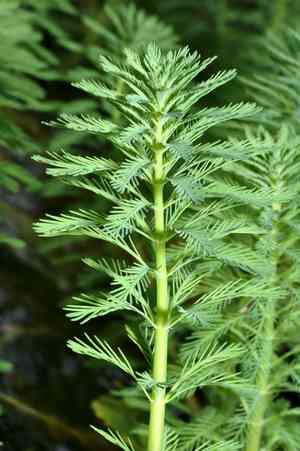
1
Parrot's feather flourishes optimally in bright, direct sunlight, requiring a minimum of 6 hours daily.
2
Although Parrot's feather can endure some shade, its growth might be less robust.
3
Observe the plant for indications of insufficient or excessive light to maintain peak condition.
Optimal Light Conditions for Parrot's feather
Full Sun vs. Partial Shade: Which is Best?
For Parrot's feather in your garden or pond, understanding proper light is vital. This aquatic plant thrives in full sun, requiring at least 6 to 8 hours of direct sunlight daily. Full sun promotes robust growth, vibrant green leaves, and overall plant health. However, Parrot's feather is adaptable and can endure partial shade, though this may lead to slower growth and less density. In very hot summer regions, some afternoon shade can prevent overheating and leaf scorch.
Seasonal Light Requirement Changes
Parrot's feather's light needs vary with the seasons. During spring and summer, its most active growth period, consistent full sunlight is crucial. As autumn and winter approach, the plant enters dormancy, reducing its light demand. In winter, partial shade or limited direct sun won't harm the plant as its growth naturally slows. Nevertheless, some winter sunlight helps maintain plant vigor.
Sunlight's Impact on Growth and Health
Benefits of Adequate Sun Exposure
Sufficient sunlight is essential for Parrot's feather to flourish. Proper sun exposure boosts photosynthesis, leading to strong plant development and vivid foliage. The plant's health, pest resistance, and ability to produce oxygen in aquatic settings are all enhanced by ample sunlight. Additionally, sunlight helps preserve the natural leaf color, preventing the paleness that can result from insufficient light.
Indicators of Insufficient Sunlight
Observing certain signs can reveal if Parrot's feather isn't receiving enough light. The plant might show stunted development, with leaves becoming pale, yellow, or dropping prematurely. If submerged, algae may proliferate due to the plant's weakened state. By addressing these symptoms early and increasing the plant's light exposure, you can restore its vitality.
Indicators of Excessive Sunlight
Just as too little light is harmful, too much sun can also damage Parrot's feather. Signs of overexposure include crispy, brown, or scorched leaves. Wilting and dry stems also indicate too much sun. If these symptoms appear, consider providing the plant with some afternoon shade, especially during peak summer heat, to protect it from harm.
Optimizing Sunlight for Parrot's feather
Selecting the Ideal Placement
Location is key to ensuring Parrot's feather receives the correct amount of sunlight. For pond placement, ideally position the plant where it gets full sun for most of the day. If growing in a container or near a water feature's edge, ensure it's placed away from structures or trees that cast prolonged shadows. This strategic positioning allows the plant to maximize sun exposure.
Utilizing Shade Cloths and Supplemental Lighting
In extremely sunny areas or during very hot days, shade cloths can shield Parrot's feather from sunburn. Shade cloths reduce intense midday sunlight while still allowing enough light for photosynthesis. Conversely, in regions with extended cloudy weather or when grown indoors, artificial grow lights can supplement natural sunlight. Position grow lights to provide about 6 to 8 hours of light, mimicking natural sun conditions for optimal growth.
Seasonal Adjustments for Optimal Light
Adapting to seasonal changes helps Parrot's feather thrive year-round. During spring and summer, ensure consistent full sunlight and consider partial shading during peak heat. As seasons shift to autumn and winter, gradually reduce direct sunlight exposure, acknowledging the plant's dormant phase. Regular assessments and adjustments based on environmental changes will keep your plant healthy across all seasons.
FAQs on Parrot's feather Light Needs
Can Parrot's feather Grow in Low Light?
While Parrot's feather can survive in low light, its growth may be significantly hindered. The plant might exhibit slower development and paler foliage. For best results, aim to provide as much direct sunlight as possible.
What Happens if Parrot's feather Gets Too Much Sun?
Excessive sun exposure can cause sunburn, leading to brown and crispy leaves. Stems may also dry out, and the plant might wilt. Providing some afternoon shade during the hottest parts of the day can help alleviate these effects.
How Do Indoor Conditions Affect Light Needs?
If growing Parrot's feather indoors, it's crucial to mimic its natural light conditions closely. Place the plant near a sunny window where it can receive at least 6 hours of direct sunlight. Using artificial grow lights can also help ensure the plant gets adequate light for optimal growth.



