Enhancing Your Garden Design with the Parrot's feather Plant: A Landscaping Guide
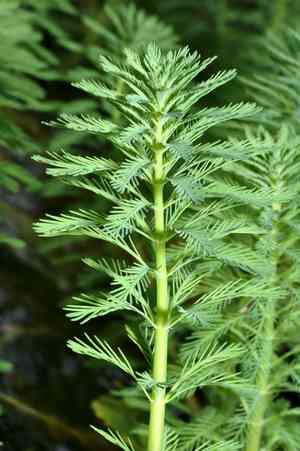
1
Parrot's feather flourishes in bright sunlight and some shade, offering flexibility for various garden areas.
2
Consistent trimming of Parrot's feather promotes denser foliage and stops it from dominating other flora.
3
Combine Parrot's feather with other moisture-loving species to form a harmonious and vibrant aquatic landscape in your yard.
Introducing Parrot's Feather in Garden Design
The significance of selecting Parrot's Feather for your garden
Opting for Parrot's Feather in your garden can infuse undeniable charm and vibrancy into your landscape. Its lush, delicate foliage offers a striking appearance that can transform drab or uninspired garden zones into captivating highlights. Furthermore, Parrot's Feather's capacity to flourish in aquatic settings makes it an excellent choice for enhancing water elements like ponds, streams, and water gardens.
The distinct aesthetic appeal of Parrot's Feather
Parrot's Feather distinguishes itself among garden plants due to its unique texture and vivid green hue. The plant's feathery leaves create a soft, flowing visual that can beautifully contrast with the more rigid forms of other garden flora. Additionally, when situated in water features, Parrot's Feather can establish a tranquil, naturalistic environment reminiscent of a verdant, untamed habitat.
Optimal Placement of Parrot's Feather in Your Garden
Identifying prime locations for Parrot's Feather
To maximize the benefits of Parrot's Feather in your garden, it's crucial to position it in areas where it can thrive and provide the greatest visual impact. Ideal spots include the edges of ponds or streams where the plant can partially submerge, contributing to the overall health of the aquatic environment by offering refuge and oxygen for fish.
How sun exposure impacts Parrot's Feather
Parrot's Feather flourishes in both full sun and partial shade, providing flexibility in its placement. However, situating Parrot's Feather in a location with ample sunlight ensures more robust growth and vibrant foliage. Bear in mind that while Parrot's Feather can endure shade, prolonged periods without sufficient sunlight can result in lankier, less attractive plants.
Combining Parrot's Feather with Other Plants
Companion plants for Parrot's Feather
Pairing Parrot's Feather with other water-loving plants can create a harmonious and visually stunning landscape. Excellent companions include water lilies, irises, and lotus, which also thrive in aquatic environments. Blending these plants can offer a variety of textures and colors, enhancing the aesthetic appeal of your water garden.
Preventing competitive growth interactions
While Parrot's Feather is a beautiful addition to any garden, it's important to be mindful of its rapid growth potential. If left unmanaged, Parrot's Feather can dominate the space and impede the growth of other plants. Regular trimming and strategic placement away from delicate species will help maintain a balanced and healthy ecosystem.
Seasonal Considerations for Parrot's Feather
Care throughout the changing seasons
Seasonal shifts can influence the growth and well-being of Parrot's Feather. During spring and summer, Parrot's Feather typically experiences its peak growth phase, necessitating regular pruning and attention. In autumn, you might observe a slowdown in growth, which is natural as the plant prepares for winter dormancy. Consistent light maintenance during these periods ensures the plant's health year-round.
Preparing Parrot's Feather for winter
Winterizing Parrot's Feather is vital to ensure its survival and vigor for the subsequent growing season. In colder climates, consider relocating container-grown Parrot's Feather indoors or to a sheltered spot. For in-ground plants, cutting back the foliage and covering them with mulch can provide protection against frost and freezing temperatures.
Visual Enhancements Using Parrot's Feather
Creating focal points with Parrot's Feather
One of the best applications for Parrot's Feather in your garden is by establishing focal points. Its distinctive foliage can attract attention and serve as a central interest. Planting it in containers or prominent spots within a water garden can elevate its visual impact, making it a centerpiece that captures the eye.
Enhancing water features with Parrot's Feather
Integrating Parrot's Feather into your water features can bring them to life. The plant's feathery leaves can soften the stark lines of artificial ponds and create a more natural, integrated appearance. Additionally, Parrot's Feather can improve water quality by supplying oxygen and shelter for aquatic wildlife, fostering a balanced and thriving ecosystem.



