How to Overwinter Parrot's feather
1
Parrot's feather is a delicate perennial, indicating it won't endure frost without safeguarding.
2
Make sure water is maintained at a slightly warm temperature if moving Parrot's feather indoors for the cold season.
3
Regular pest checks can avert harm during its winter dormancy.
What is Parrot's feather?
What is Parrot's feather?
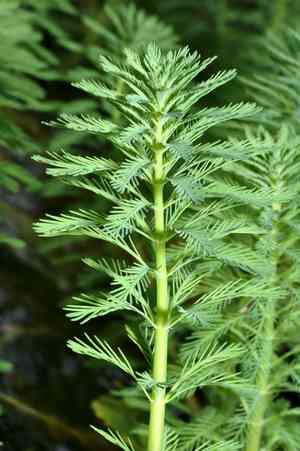
The lovely Parrot's feather (Myriophyllum aquaticum) is an engaging aquatic plant featuring feathery leaves that resemble a parrot's plumage. Known for its vivid green stems and adaptable growth habits, it flourishes in ponds, water gardens, and aquatic containers. While often admired for its ability to enhance the visual appeal of water features, this delicate perennial needs careful attention during colder periods.
Preparing Parrot's feather for Overwintering
Cleaning and Pruning
Before the initial frost arrives, it's crucial to clean and trim Parrot's feather. Begin by removing any dead or decaying foliage to prevent disease spread. Cut back the stems to a manageable length, which helps the plant conserve energy during the colder months. Use clean, sharp scissors or pruning shears for a precise cut.
Inspecting for Pests
Thoroughly examine the plant for any indications of pests, such as aphids, spider mites, or snails. Addressing pest problems before winter storage is vital to ensure they don't multiply indoors or during dormancy. Use a mild insecticidal soap solution to treat infestations, and rinse the plant well afterward.
Indoor Storage Solutions
Choosing the Right Container
Select a container that is sufficiently large to accommodate the plant's root system while allowing space for growth. Ensure the container has drainage holes to prevent waterlogging, which can lead to root rot. A terracotta or plastic pot is suitable for this purpose.
Optimal Indoor Conditions
Parrot's feather thrives in a well-lit environment but should be kept away from direct sunlight to avoid leaf scorching. Aim for a spot with bright, indirect light. The temperature should be maintained above 10°C (50°F) to prevent cold damage. If possible, maintain a humid environment around the plant by misting it regularly or placing it on a humidity tray.
Watering and Maintenance
Watering routines should be adjusted during the winter months. Keep the soil slightly moist but not saturated, as excess water can cause root rot. Reduce the frequency of watering compared to the growing season. Regularly check for any signs of mold or pests and address any issues promptly.
Outdoor Overwintering Tips
Using Mulch for Protection
If Parrot's feather is to remain outdoors, apply a thick layer of mulch around the plant's base to insulate the roots from freezing temperatures. Straw, leaves, or shredded bark are effective insulating materials. Ensure the mulch covers the soil completely but leaves space around the stems to prevent rot.
Creating a Shelter
Building a temporary cold frame or greenhouse shelter around your outdoor Parrot's feather can provide additional protection. Use transparent plastic or glass to allow sunlight while keeping out frost. Ensure proper ventilation to prevent humidity buildup, which can cause fungal issues.



