The Parrot's feather Plant Advantage: Maximizing Home and Office Appeal and Wellness
1
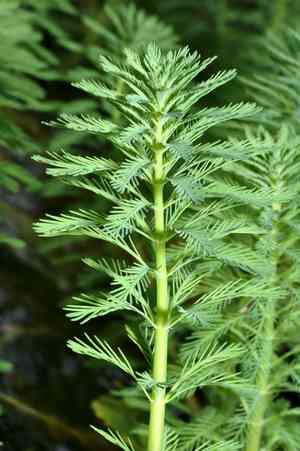
Myriophyllum aquaticum is an exceptionally good aquatic plant for stopping soil degradation.
2
It offers superb refuge and spawning areas for creatures living in water.
3
This flora greatly enhances water purity by taking in surplus nutrients.
Advantages of Parrot's Feather for Preventing Soil Erosion
How Parrot's Feather Aids in Preventing Soil Erosion
Parrot's feather excels at stabilizing soil due to its dense root system. This robust network of roots helps bind soil particles, effectively reducing erosion caused by water movement. By planting Parrot's feather along the edges of your pond or water feature, you can significantly lessen the risk of soil erosion, preserving your landscape's integrity.
Why Is Soil Stabilization Important?
Soil stabilization is vital for maintaining your pond's structural integrity. Preventing soil erosion ensures that your pond's banks remain intact, reducing the need for frequent upkeep. Additionally, controlled soil erosion helps keep the water clear by preventing sediment runoff into the pond. This ultimately fosters a healthier environment for aquatic life.
How Parrot's Feather Benefits Aquatic Wildlife
What Makes Parrot's Feather an Ideal Habitat for Aquatic Species?
Parrot's feather provides an excellent habitat for various aquatic creatures, from insects to fish. Its feathery foliage offers a safe and sheltered environment, perfect for breeding and nesting. This dense vegetation not only protects from predators but also creates an abundant food source, enhancing your pond's biodiversity.
How Does Parrot's Feather Support Fish and Invertebrate Populations?
The plant's intricate structure offers numerous hiding spots for smaller fish and invertebrates, making it an excellent breeding ground. By incorporating Parrot's feather into your garden pond, you can cultivate a thriving ecosystem that supports a diverse array of aquatic life. Enhanced biodiversity ensures a balanced and resilient aquatic environment, reducing the likelihood of pest infestations and diseases.
How Parrot's Feather Improves Water Quality
What Role Does Parrot's Feather Play in Nutrient Absorption?
Parrot's feather is highly efficient at absorbing excess nutrients from the water, such as nitrogen and phosphorus. These nutrients, often present due to runoff from fertilizers and other sources, can otherwise lead to algal blooms and poor water quality. By absorbing these excess nutrients, Parrot's feather helps maintain a balanced nutrient level in your pond, promoting clearer and healthier water.
How Does this Plant Contribute to Algae Control?
Algal blooms can detract from your pond's appearance and have detrimental effects on water quality. Parrot's feather competes with algae for nutrients and sunlight, effectively limiting their growth. By reducing the nutrient supply available to algae, Parrot's feather acts as a natural control measure, helping you maintain a clean and aesthetically pleasing pond environment.
Where to Grow Parrot's Feather in Your Garden
What Are the Ideal Conditions for Growing Parrot's Feather?
Parrot's feather thrives in various aquatic environments, from ponds and water gardens to slow-moving streams. It prefers sunny conditions but can also tolerate partial shade. The plant performs best in nutrient-rich, slightly acidic to neutral water, with a pH range of 6.0 to 7.5. Planting Parrot's feather in areas with calm water flow ensures its delicate foliage remains intact and allows it to establish a robust root system.
How to Plant and Care for Parrot's Feather?
Planting Parrot's feather is relatively simple. Ensure that the plant's root system is securely anchored into the soil or substrate, approximately 6 to 12 inches deep. Routine maintenance involves trimming the foliage to prevent overcrowding and removing any decayed plant material to maintain water quality. Regular monitoring ensures that the plant thrives and continues to offer the benefits mentioned above.



