How to Propagate Parrot's feather?
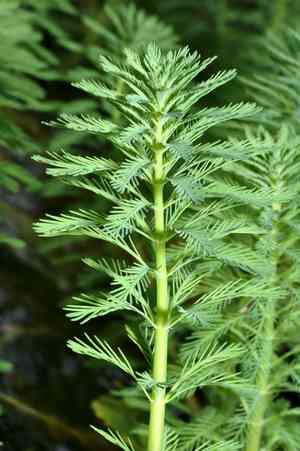
Myriophyllum aquaticum, an aquatic perennial, is recognized for its delicate, feather-like leaves that gracefully drift on the water's surface, making it a favored selection for ponds and water features. Effective propagation is readily accomplished via cuttings, a simple method where segments of the stem are separated and either embedded in soil or merely submerged in water to encourage root formation. This process yields the best results when cuttings incorporate multiple nodes to enhance potential root development, thereby increasing the likelihood of success. For proper establishment, immerse the cutting in the water at a suitable depth to facilitate steady development, secure anchoring, and sufficient exposure to sunlight.
Optimal Time for Parrot's Feather Propagation
Propagation Method
Cutting
Propagation Period
Spring,Summer
Tools Required for Parrot's Feather Propagation
Sharp scissors or pruning shears
These implements are crucial for achieving clean cuts on Parrot's Feather stems during propagation via cuttings. A precise cut helps prevent damage to the delicate vascular tissue, which is vital for nutrient and water absorption and transport during root development. Sharp blades also minimize stem crushing, which can impede root growth and increase infection risk.
Water container
A clean vessel for water is essential to hold Parrot's Feather stem cuttings immediately after they are taken. As Parrot's Feather is an aquatic plant, placing cuttings in water mimics their natural habitat, encouraging quicker root formation. The container must be kept clean to prevent algae and bacterial growth that could harm developing roots.
Rooting hormone
While not always necessary, applying a rooting hormone can significantly boost the rooting success of Parrot's Feather cuttings. This hormone stimulates root development at the cut site, increasing the likelihood of successful propagation. It is especially beneficial for promoting uniform and healthy root growth across multiple cuttings.
Light source (natural or artificial)
Appropriate lighting is critical for photosynthesis, particularly after propagation. For aquatic plants like Parrot's Feather, sufficient light supports healthy leaf development as new roots form. If propagating indoors or during seasons with limited sunlight, consider using an artificial light source to provide consistent and adequate light exposure.
Nutrient-rich water or hydroponic solution
Once roots have formed, supplying nutrient-rich water or a balanced hydroponic solution can help ensure robust growth for Parrot's Feather. These solutions provide essential nutrients needed for vigorous growth and overall plant health. This is especially important in water-based propagation environments where soil is absent as a nutrient source.
How to Propagate Parrot's Feather?
Propagation Difficulty
Easy
Caring for Your Newly Propagated Parrot's Feather
Caring for Your Newly Propagated Parrot's Feather
Post-propagation, maintain Parrot's Feather by positioning it in an area with full to partial sunlight. Parrot's Feather thrives in still or slow-moving water, so ensure the water body meets these conditions. Fertilize monthly with an aquatic plant fertilizer to encourage robust growth. Prune regularly to manage its spread, as Parrot's Feather can become invasive. Monitor for pests and diseases, treating as needed to maintain a healthy plant.
Common Propagation Errors to Avoid with Parrot's Feather
Overcrowding cuttings
Placing too many Parrot's Feather cuttings in a confined space can restrict light exposure and nutrient availability, leading to stunted growth and potential decay.
Submerging too deeply
Inserting Parrot's Feather cuttings too far into water or substrate can cause stem rot, as the plant requires parts of the stem to be exposed to air.
Using old, woody stems
Older, lignified sections of Parrot's Feather are less likely to root and grow. This can significantly decrease the propagation success rate.
Ignoring water conditions
Parrot's Feather is sensitive to water quality; elevated chlorine levels or poor water conditions can harm cuttings, resulting in unhealthy plants.
Neglecting to trim leaves
Failing to remove lower leaves on Parrot's Feather cuttings can lead to leaf decomposition underwater, which can negatively impact water quality and cutting health.
Tips For Propagating Parrot's Feather
Use healthy, green stems
Selecting vibrant, green stems free from signs of wilting or disease will result in higher propagation success rates for Parrot's Feather.
Adequate spacing
Providing sufficient space between Parrot's Feather cuttings ensures proper light and nutrient access for each cutting, promoting vigorous growth.
Correct water depth
Ensure Parrot's Feather cuttings are partially submerged; the stem should be underwater, while the growing tip remains above water for proper oxygen exchange.
Filtered water for propagation
Using chlorine-free, filtered water can provide a healthier environment for Parrot's Feather cuttings to root and flourish.
Regular water changes
Changing the water frequently for Parrot's Feather cuttings can prevent the accumulation of harmful pathogens and maintain good water quality, encouraging root development.



