How to Transplant Lion's tail?
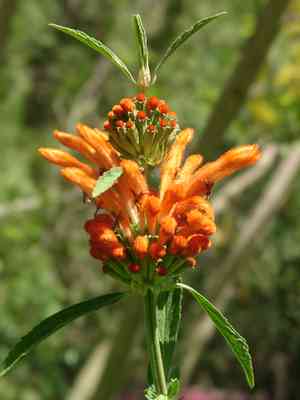
Relocating lion's tail is most effectively accomplished in the pleasantly mild season from mid-spring through early summer. Select a site featuring soil that drains efficiently and receives ample sunlight. During the transplanting process, carefully separate the roots to facilitate their integration into the new environment. Enjoy your gardening!
What Preparations are Needed Before Transplanting Lion's Tail?
What is the Ideal Time for Transplanting Lion's Tail?
Relocating your lion's tail is best from mid-spring to early summer. This period offers optimal conditions for lion's tail to establish and flourish. Transplanting then is beneficial as all environmental factors align to support your lion's tail's development. It's an excellent pre-transplant phase, ensuring proper nutrient uptake and healthy rooting.
How Much Space Should You Leave Between Lion's Tail Plants?
For lion's tail, position each plant approximately 24-36 inches (61-91 cm) apart. This provides ample room for their growth and enhances air circulation, helping to prevent diseases.
What is the Best Soil Mix for Lion's Tail Transplanting?
Prepare a well-draining soil mixture with a slightly acidic to neutral pH (6.0-7.0) for lion's tail. Incorporate a foundational fertilizer rich in organic matter, such as compost or aged manure, to boost soil fertility.
Where Should You Relocate Your Lion's Tail?
Select a sunny spot for your lion's tail as they thrive in full sunlight – at least 6-8 hours of direct sun daily is perfect. This promotes vigorous growth and abundant blooms!
What Equipments Should You Prepare Before Transplantation Lion's Tail?
Gardening Gloves
To safeguard your hands while handling soil and lion's tail.
Garden Spade
This tool is used for excavating the plant from its original site, especially if it's growing in the ground.
Trowel
A trowel is useful for extracting lion's tail from a container, or for digging an appropriate hole in the ground for the transplant.
Gardening Fork
A helpful implement for gently separating roots if lion's tail is being moved from a seedling tray.
Watering Can
Essential for moistening the soil of lion's tail before you begin, and for irrigating it once the process is finished.
Wheelbarrow
This can be useful for transport if lion's tail is considerably large.
Plant Supports
Depending on the size and structure of lion's tail, you might need stakes or other supports to stabilize the plant after transplanting.
How Do You Remove Lion's Tail from the Soil?
How Do You Remove Lion's Tail from the Soil?
From Ground: First, water lion's tail to moisten the soil. Then, using your garden spade, dig a wide trench around the plant, ensuring the plant's root ball remains intact. Carefully work the spade beneath the root ball to lift the plant from its original location.From Pot: Begin by carefully watering lion's tail. With your trowel, gently dig around the pot's edge. As you do, slowly start to tip the pot on its side, easing the plant and its root ball out. Do this slowly to prevent damage to lion's tail and its delicate roots.Seedling Tray: Use a gardening fork or similar tool to gently separate individual lion's tail plants, making sure to be gentle and not harm the root system during the process.
Step-by-Step Guide for Transplanting Lion's Tail
Hole Preparation
Prepare a hole with sufficient depth and width to accommodate lion's tail's root ball. Always ensure that the hole is slightly deeper and wider than the root ball of lion's tail.
Plant Insertion
Carefully place lion's tail in the hole, ensuring it stands upright. Position it so the top of the root ball is level with or slightly below the soil surface.
Backfilling
Gradually backfill the hole with the original soil, periodically firming it around the root ball of your lion's tail until the hole is completely filled.
Final Touches
Once you have filled the hole, press the soil down gently but firmly. Do not compact it too tightly, as the roots still require air circulation.
Watering
Finally, water your lion's tail thoroughly. Ensure the surrounding soil becomes damp but not waterlogged.
How Do You Care For Lion's Tail After Transplanting?
Watering
Keep the soil around lion's tail consistently moist, especially in the initial weeks post-transplant, to aid in strong root establishment. However, avoid excessive watering to prevent waterlogging your plant.
Supporting
If lion's tail is a tall plant, you may need to provide support by staking it. This helps lion's tail grow upright and prevents potential damage from strong winds or the plant's own weight.
Monitoring
Regularly observe lion's tail for any indications of transplant shock, such as wilting, yellowing, or leaf drop. Take prompt action if you notice such symptoms.
Pruning
Prune lion's tail as needed to maintain its desired shape and size, removing dead or yellowing branches to keep your plant healthy.
Troubleshooting Common Issues with Lion's Tail Transplantation.
When is the best time to transplant lion's tail?
The optimal period for transplanting lion's tail spans from mid-spring to early summer. This timeframe offers ideal growth conditions.
What distance should be maintained while transplanting lion's tail?
Ensure a spacing of 24-36 inches (60-90 cm) between each lion's tail during transplanting to encourage healthy development.
What type of soil works best for transplanting lion's tail?
Lion's tail thrives in well-draining soil. A soil mixture rich in organic matter ensures vigorous growth after transplantation.
How can I reduce transplant shock in lion's tail?
To minimize transplant shock, water lion's tail thoroughly before and after transplanting. This keeps the roots hydrated, aiding a smooth transition.
How deep should the hole be for transplanting lion's tail?
Dig a hole twice the width and the same depth as the root ball. This helps lion's tail settle comfortably and access nutrients efficiently.
What's the suitable temperature for transplanting lion's tail?
Lion's tail prefers moderate temperatures. Ideally, choose a day when the temperature is around 68-77°F (20-25°C) for transplanting.
Should lion's tail be pruned before transplanting?
Yes, light pruning of lion's tail before transplanting can stimulate new growth. Just remember to be gentle and avoid over-pruning.
What's the ideal pot size for transplanting lion's tail?
A pot with a diameter of 10 inches (25 cm) should be sufficient. Lion's tail prefers spacious containers that allow for mature development.
What care should be taken after transplanting lion's tail?
Lion's tail requires consistent watering post-transplanting. A thin layer of mulch can help the soil retain moisture until lion's tail becomes established.
How to troubleshoot yellow leaves in lion's tail after transplantation?
Yellow leaves might indicate overwatering or inadequate drainage. Check the soil's moisture and adjust your watering routine accordingly.



