Optimal Soil for Growing Lion's tail: What You Need to Know
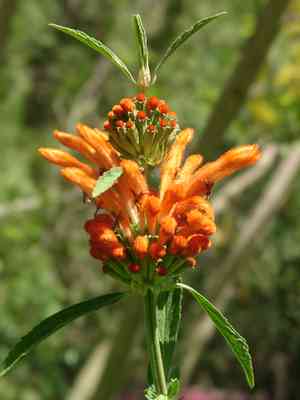
1
Did you know that Lion's tail flourishes best in soil with a pH between 6.5 and 7.5? Checking soil pH can aid in optimizing conditions for its development.
2
Lion's tail is very susceptible to overly wet soil conditions. Ensuring adequate drainage methods are in place is crucial for its well-being.
3
Incorporating compost and organic materials into the soil prior to planting can greatly enhance soil composition and the availability of nutrients for Lion's tail.
Optimal Soil Type for Lion's tail
Understanding Well-drained Soil
Properly draining soil is essential for Lion's tail vitality. This soil type permits excess water to pass through rapidly, preventing roots from sitting in moisture, which can cause root rot. To assess soil drainage, dig a hole approximately 30 cm (12 inches) deep and fill it with water. If the water drains within 1 to 2 hours, your soil drains well. Consistent good drainage fosters robust root development and vigorous plant growth.
Selecting Sandy or Loamy Soil
For peak growth, Lion's tail thrives in sandy or loamy soil. These soils are prized for their excellent drainage and capacity to hold nutrients, ensuring the plant receives adequate nourishment while avoiding waterlogging. Sandy soil is loose with larger particles, promoting faster drainage. Loamy soil, a blend of sand, silt, and clay, offers a balanced medium, retaining nutrients effectively while still draining well. Amending your soil with sand or perlite can help if your garden soil is overly clayey or dense.
Ensuring Proper Soil Drainage
Importance of Good Drainage for Lion's tail
Drainage is critical for the well-being of Lion's tail. Poorly draining soil can lead to waterlogged conditions, depriving roots of vital oxygen, resulting in root rot and other fungal ailments. Good drainage ensures roots receive sufficient aeration, crucial for their respiration and nutrient uptake. Regularly checking and amending your soil's drainage can protect your plant from water stress-related problems.
Methods to Enhance Soil Drainage
Improving soil drainage can be achieved through several techniques. Firstly, incorporating organic matter like compost or leaf mold can enhance the soil's structure and porosity. Raised beds can also be beneficial, as they allow water to drain more quickly than conventional garden beds. Another approach is to aerate the soil using garden forks or mechanical aerators, which loosen compacted soil and improve drainage. Finally, adding sand or gravel to heavy soils can help create larger particles, improving water movement through the soil.
Ideal Soil pH for Lion's tail
Optimal pH Range
Lion's tail flourishes best in a soil pH range of 6.5 to 7.5. This slightly acidic to neutral range ensures that essential nutrients are accessible to the plant. Soil pH influences nutrient solubility and absorption, so maintaining this range will support strong growth and blooming.
Testing and Adjusting Soil pH
Testing your soil pH is straightforward with a home kit or a professional soil analysis. If the pH falls outside the ideal range, adjustments can be made. To raise pH (reduce acidity), you can add agricultural lime (calcium carbonate). To lower pH (increase acidity), materials like sulfur or peat moss can be used. Always follow product instructions and re-test periodically to ensure the desired pH is maintained.
Nutrient Requirements for Lion's tail
Essential Nutrients
Lion's tail needs a variety of vital nutrients for healthy development. Primary nutrients include nitrogen (N), phosphorus (P), and potassium (K). Additionally, secondary nutrients like calcium (Ca), magnesium (Mg), and sulfur (S) are important, as are trace elements such as iron (Fe), manganese (Mn), and zinc (Zn). Balanced nutrient availability promotes lush foliage and vibrant flowers.
Organic vs. Synthetic Fertilizers
When fertilizing Lion's tail, you can choose between organic and synthetic fertilizers. Organic fertilizers, such as compost, manure, or bone meal, release nutrients slowly and enhance soil structure over time. In contrast, synthetic fertilizers provide an immediate nutrient supply and are easy to apply but do not improve soil health long-term. A combination of both can be considered for optimal results.
Effective Fertilizer Application
To apply fertilizers effectively, begin by following recommended dosages on product labels. Over-fertilization can lead to nutrient imbalances and environmental harm. Apply fertilizers during the growing season when the plant is actively absorbing nutrients. Spread evenly around the base, avoiding direct contact with stems or leaves. Water the area after application to ensure nutrients reach the root zone.
Preparing Soil Before Planting Lion's tail
Clearing and Tilling the Soil
Before planting Lion's tail, clear the area of weeds, debris, and old plant material. Tilling the soil to a depth of about 20-30 cm (8-12 inches) helps break up compacted soil, improves aeration, and allows for better root penetration. Avoid excessive tilling, as this can harm soil structure and beneficial microorganisms.
Incorporating Compost and Organic Matter
Adding compost and organic matter enriches the soil with essential nutrients and improves its structure. Organic matter boosts water retention in sandy soils and drainage in clayey soils. Spread a 5-10 cm (2-4 inch) layer of compost over the soil and work it into the top 20 cm (8 inches) of soil. This practice creates a fertile environment for Lion's tail to thrive.
Maintaining Healthy Soil for Lion's tail
Regular Soil Testing
Consistent soil testing is crucial for maintaining the health of Lion's tail. Soil tests help monitor nutrient levels, pH balance, and organic matter content. Conduct testing annually or biannually and adjust your soil management practices based on the results. Proactively addressing soil deficiencies ensures continuous healthy growth.
Mulching and Weed Control
Mulching helps retain soil moisture, regulate soil temperature, and suppress weeds. Apply a 5-7 cm (2-3 inch) layer of organic mulch such as straw, wood chips, or shredded leaves around the plant's base. Keep the mulch a few centimeters away from the stems to prevent rot. Regular weeding minimizes competition for water and nutrients, supporting healthy Lion's tail growth.
Monitoring for Soil-Borne Diseases
Diligent monitoring for soil-borne diseases helps prevent serious plant health issues. Watch for symptoms such as wilting, yellowing leaves, and stunted growth. Rotate crops to reduce the accumulation of disease pathogens in the soil. If a disease is detected, treat it promptly with appropriate fungicides or soil amendments based on the type of pathogen.



