The Lion's tail Plant Advantage: Maximizing Home and Office Appeal and Wellness
1
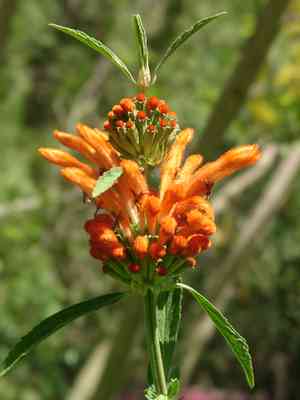
Leonotis leonurus is recognized for its vibrant orange blossoms that draw in beneficial insects.
2
Its hardiness and aesthetic appeal make this plant a frequent choice for garden design.
3
Ingesting Lion's tail in measured quantities could contribute to general health.
What Are the Visual Advantages of Lion's tail?
Enhancing Garden Beauty
Lion's tail is frequently praised for its striking visual appeal. Its vibrant orange tubular blossoms are not only captivating but also make an excellent addition to any garden. The plant's upright growth habit and lush, green foliage can add depth and structure to landscape designs, making it a favorite among gardeners and landscapers alike.
Attracting Pollinators
A significant visual benefit of Lion's tail is its capacity to draw in pollinators like bees, butterflies, and hummingbirds. These vivid flowers act as a magnet for these creatures, helping to boost pollination rates and contribute to a healthier, more vibrant garden ecosystem.
How Can Lion's tail Be Utilized in Landscaping?
Versatility in Planting
Lion's tail is remarkably adaptable and can be planted in various settings, including garden beds, borders, and containers. Its robust nature makes it an excellent choice for creating hedges or as a standalone focal point in a landscaped area. Due to its drought-resistant nature, Lion's tail is also ideal for xeriscaping projects where water conservation is paramount.
Erosion Control
Another practical application of Lion's tail in landscaping is erosion control. Its strong root system helps to stabilize the soil, making it useful for planting on slopes or areas prone to erosion. This not only beautifies the space but also contributes to environmental sustainability.
What Are the General Wellness Benefits of Lion's tail?
Natural Aroma Booster
Lion's tail possesses a pleasant fragrance that can elevate the atmosphere of any space. When used in potpourri or as part of a natural air freshener blend, it can help create a calming and inviting environment. The scent is often described as subtly sweet and earthy, making it a favorite in aromatherapy practices.
Herbal Uses
While we won't delve into any medicinal claims, it's noteworthy that Lion's tail has found its place in various herbal traditions. Whether dried for use in teas or included in herbal sachets, this plant offers a touch of natural goodness that can complement a mindful lifestyle.
How to Grow and Care for Lion's tail?
Ideal Growing Conditions
Lion's tail prefers well-draining soil and can thrive in both full sun and partial shade. This plant is relatively drought-tolerant once established, but it benefits from occasional watering during prolonged dry spells. Itâs a resilient species that can adapt to various soil types, as long as they are not waterlogged.
Maintenance Tips
Minimal upkeep is required to keep Lion's tail looking its best. Regular pruning helps to promote bushier growth and extend the blooming period. Deadheading spent flowers can also encourage the plant to produce more blooms throughout the season. Fertilization is typically unnecessary, but a light application of compost can benefit overall plant health.



