How to Prune Lion's tail?
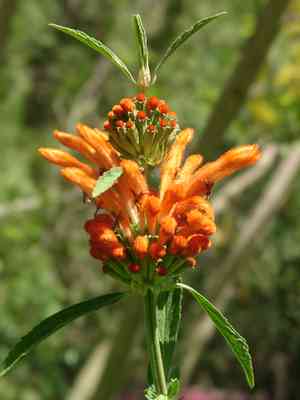
Leonotis leonurus, a perennial shrub recognized for its vibrant orange blossoms, flourishes with consistent pruning. Essential trimming involves removing faded flowers to stimulate further blooming and reducing the plant by one-third in late fall to preserve its form. This variety benefits from year-round light pruning to eliminate compromised branches. Pruning encourages denser development, enhancing air movement and lowering the likelihood of illness. Conduct more substantial pruning after the flowering period for optimal outcomes. Employ sanitized, sharp implements for precise cuts.
What Are the Benefits of Pruning Lion's Tail?
What Are the Benefits of Pruning Lion's Tail?
Trimming lion's tail is vital for boosting its vivid blossoms, fostering vigorous development, and keeping a compact, attractive form. Regular cutting helps lion's tail focus energy on flower creation, resist pests, and stay healthy.
What Is the Best Time for Pruning Lion's Tail?
What Is the Best Time for Pruning Lion's Tail?
Trimming lion's tail from late winter to early spring, just before new growth begins, is advantageous because the plant is still dormant, and the risk of frost damage to fresh cuts is minimal. This timing allows gardeners to shape the plant, remove any frost-damaged branches, and thin out old growth to encourage new, strong shoots. Pruning at this time also helps manage the plant's size and promotes more abundant flowering in the blooming season, as lion's tail typically blooms on new wood.
What Tools Do I Need to Prune Lion's Tail?
Hand Pruners
Perfect for making clean cuts on lion's tail stems, especially for removing spent flowers or trimming small branches to encourage denser growth. Opt for bypass pruners over anvil types for cleaner, healthier cuts.
Pruning Shears
Useful for shaping lion's tail and controlling its size. These are effective for trimming softer foliage and smaller stems, aiding in the plant's aesthetic upkeep.
Long-Handled Loppers
Effective for reaching into the dense areas of lion's tail when thinning out crowded branches or cutting thicker stems that hand pruners cannot manage.
Gardening Gloves
Protects hands from thorns and the rough foliage of lion's tail during pruning activities, ensuring safety and comfort.
Pruning Saw
Essential for removing any old, woody stems of lion's tail that have become too thick for loppers, ensuring proper plant health and revitalization.
How to Prune Lion's Tail
Step1: Timing for Pruning
Determine the appropriate time for pruning. The ideal period to prune lion's tail is after the last spring frost or in early summer, once the flowering cycle concludes, to prevent harm to future blooms.
Step2: Prepare Pruning Shears
Ready clean, sharp pruning shears. Sanitize the blades with isopropyl alcohol to prevent disease transmission during cutting.
Step3: Deadheading Old Flowers
Remove spent flowers by cutting them at their base. Make cuts just above the nearest leaf set to stimulate new blooms.
Step4: Inspect for Damage
Examine lion's tail for any damaged or diseased stems. These can be identified by discoloration, stunted development, or visible pest indicators.
Step5: Prune Damaged Stems
Trim damaged stems back to healthy tissue. If the damage is extensive, remove the entire stem at its base where it connects to the main plant.
Step6: Shape the Plant
Shape lion's tail to maintain its natural form. Cut back overgrown stems to a point just above a leaf node, where new growth will emerge. Aim for a balanced look, being careful not to over-prune as this can stress lion's tail.
Step7: Thin Out Dense Growth
Thin out crowded areas to enhance air circulation. Remove some inner stems by cutting them at the base to prevent disease and encourage healthier growth.
Step8: Clean Up Pruned Debris
Clear away all pruned material from around the base of lion's tail to prevent rot and deter pests.
Step9: Water after Pruning
After pruning is complete, water lion's tail thoroughly to aid its recovery. Monitor the plant over the next few weeks to ensure it shows signs of new growth and vitality.
Step10: Pruning Tolerance and Limit
Remember that lion's tail is a resilient plant and will respond well to pruning. However, always avoid removing more than one-third of the plant in a single season to prevent shock.
Post-Pruning Care for Lion's Tail
Post-Pruning Care for Lion's Tail
Immediately after trimming lion's tail, ensure it receives gentle watering to lessen stress. Maintain a warm environment with bright, indirect light, avoiding extreme temperatures. Slightly increase humidity to assist recovery. Apply a balanced liquid fertilizer to support new growth. Monitor lion's tail for wilting, discoloration, or infection, addressing issues promptly with appropriate treatments. Regularly check soil moisture, keeping it consistently moist but not waterlogged.
Common Pruning Mistakes with Lion's Tail
Over-pruning can shock and harm the plant
Trimming too much at once can shock lion's tail and hinder its ability to recover. Removing more than a third of the plant in any single pruning session can be detrimental.
Avoid cutting into non-regenerative old wood
Cutting into old wood where there is no green growth can prevent lion's tail from producing new shoots and flowers, as it may not regenerate as effectively from old wood.
Respect plant's natural shape when pruning
Disregarding the plant's inherent shape during pruning can lead to a less aesthetically pleasing appearance and impede its growth pattern.
Common Pruning Tips for Lion's Tail
Use sharp, clean tools for healthy cuts
Utilize sharp and clean pruning tools to make precise cuts, which helps prevent disease and promotes better healing for lion's tail.
Remove dead branches for better air and light
Prioritize removing dead or damaged branches first to improve air circulation and light penetration throughout lion's tail, which encourages healthy growth.
Trim tips to encourage bushy growth and blooms
After addressing dead or diseased growth, trim back the tips of lion's tail to promote denser growth and more flower production, as this species tends to bloom on new wood.
Cut above leaf nodes at an angle to prevent disease
When shaping lion's tail, cut just above leaf nodes where new growth can emerge, and ensure cuts are made at a slight angle to prevent water accumulation that could lead to disease.



