Enhancing Your Garden Design with the Lion's tail Plant: A Landscaping Guide
1
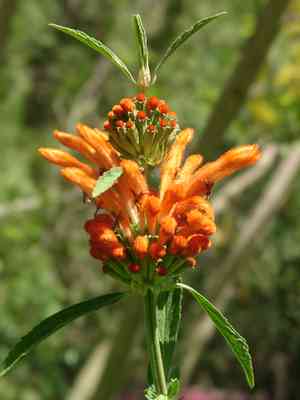
Lion's tail displays brilliant orange blossoms and a distinctive form, making it a prominent addition to any landscape.
2
Ideally situated in direct sunlight, Lion's tail flourishes with appropriate soil and attention.
3
Consistent trimming aids in controlling Lion's tail's development and preserving its visual charm.
Appreciating the Visual Appeal of Lion's Tail
Appearance: hues and form
A prominent characteristic of Lion's tail is its vibrant orange blossoms, which emerge in clusters along its tall, upright stalks. The tubular shape of these flowers adds an intriguing texture to garden areas. The plant itself can reach considerable heights, often up to six feet, providing vertical interest to any landscape. Its rich green foliage offers a beautiful contrast to the bright blooms, making it a captivating addition to garden designs.
Yearly changes in look
Lion's tail provides visual charm throughout the year. During spring and summer, its lively flowers are in full bloom, delivering a burst of color. In autumn, the blossoms may fade, but the green leaves persist, offering a different, yet still appealing, aesthetic. Even in winter, Lion's tail can lend structure to the garden with its tall, sturdy stems, making it a versatile plant for all seasons.
Optimal Methods for Planting Lion's Tail in Your Garden
Selecting the ideal planting site
When planting Lion's tail, choosing the correct location is vital for its development and well-being. This plant thrives in full sun, so pick a spot in your garden that receives ample direct sunlight throughout the day. Avoid areas prone to waterlogging, as Lion's tail prefers well-drained soil. A location with good air circulation will also help prevent potential fungal issues.
Soil preparation and optimal planting period
Prepare the soil by ensuring it drains well and is rich in organic matter. Incorporating compost can improve soil quality and supply essential nutrients. The best time to plant Lion's tail is in spring, following the last frost. This timing allows the plant to establish itself before the intense summer heat. If planting multiple Lion's tails, space them at least three feet apart to give them sufficient room to grow.
Design Concepts for Incorporating Lion's Tail into Landscapes
Creating focal points with Lion's tail
Lion's tail serves as an excellent focal point in garden designs due to its impressive height and flower clusters. Plant a group of Lion's tails in a prominent garden spot, such as a central bed or near an entrance, to attract attention. When planted individually, Lion's tail can act as a stunning centerpiece that draws the eye and admiration.
Pairings with other plants
Combining Lion's tail with other plants can create beautiful and harmonious garden scenes. Pair Lion's tail with lower-growing perennials that have complementary colors, such as purple sages or blue salvias, to enhance its vibrant orange hue. Texture contrast can also be achieved by planting Lion's tail alongside grasses or succulents, adding a dynamic element to the garden.
Utilizing Lion's tail in borders and along paths
Lion's tail performs well in borders and along pathways, providing height and structure. Plant it at the rear of flower beds or along garden edges to establish a clear boundary. As pathway plants, Lion's tails can serve as a guide, leading visitors through the garden. Their tall stems and vivid flowers make them easy to spot and appreciate up close.
Care Guidelines for Lion's Tail in Landscape Settings
Watering and fertilizing approaches
Lion's tail needs consistent watering, especially during dry spells, but avoid overwatering to prevent root rot. A thorough watering once a week is typically sufficient in most climates. Fertilize in spring with a balanced slow-release fertilizer to encourage healthy growth and abundant blooms. Compost can also be used as a natural fertilizer to enhance soil fertility.
Managing growth and spread control
To maintain the form and size of Lion's tail, regular pruning is necessary. Trim back stems after flowering to promote bushier growth and remove any dead or damaged stems to keep the plant healthy. Lion's tails can spread through self-seeding, so removing spent flowers before they produce seeds can help manage their spread if desired.
Seasonal Care for Lion's Tail
Preparing Lion's tail for colder months
In areas with colder winters, it's crucial to prepare Lion's tail for the winter season. Apply mulch around the plant's base to shield its roots from freezing temperatures. If you are in an extremely cold region, consider covering Lion's tail with a frost cloth or bringing potted plants indoors. Reducing watering during winter can also help the plant survive its dormant period.
Spring revitalization suggestions
As spring arrives, Lion's tail will begin to show new growth. Remove any remaining winter mulch to allow the soil to warm up. Prune away any dead stems to make way for new growth. A fresh application of compost or a balanced fertilizer will provide the nutrients needed for a strong start to the growing season. Regular monitoring and care during the early spring months will ensure your Lion's tail thrives throughout the year.



