How to Transplant Dwarf crested iris?
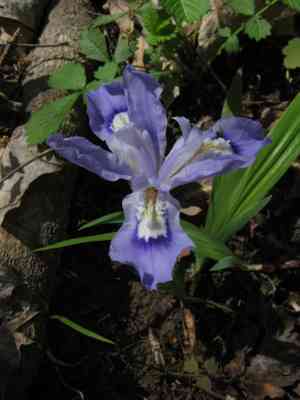
Select the temperate period of mid to late spring for relocating dwarf crested iris, as the ground becomes warmer, providing optimal conditions for root development. Pick a location with filtered sunlight, guaranteeing damp, permeable earth to foster robust growth after transplantation.
What Preparations are Needed Before Transplanting Dwarf Crested Iris?
What is the Ideal Time for Transplanting Dwarf Crested Iris?
The optimal period for relocating dwarf crested iris is during mid-spring. This timeframe provides a perfect mix of mild temperatures and revitalized soil, which promotes root development before summer's heat. Moving dwarf crested iris in this season leverages its natural growth cycle, boosting survival rates and minimizing transplant shock. Embrace this time for its gentle days that are favorable to dwarf crested iris's delicate roots, ensuring a smooth transition and a thriving future.
How Much Space Should You Leave Between Dwarf Crested Iris Plants?
To support dwarf crested iris's development, the recommended spacing for transplanting is approximately 1 foot (30.5 cm). This allows each plant ample room to grow and spread, offering the best chance for a flourishing, vibrant garden!
What is the Best Soil Mix for Dwarf Crested Iris Transplanting?
Dwarf crested iris thrives in well-drained soil. Therefore, before transplanting, enrich the soil with organic matter or compost as a foundational fertilizer. This boosts the soil's nutrient content, ensuring optimal growth for your plants.
Where Should You Relocate Your Dwarf Crested Iris?
Selecting the appropriate site for dwarf crested iris is vital. A location with partial shade is perfect, as it mimics their native woodland environment. This means an area that receives 4-6 hours of sunlight daily.
What Equipments Should You Prepare Before Transplantation Dwarf Crested Iris?
Gardening Gloves
Crucial for safeguarding your hands from scrapes and maintaining cleanliness while handling soil and plants.
Hand Trowel
A small gardening tool useful for digging holes and removing minor amounts of soil.
Garden Shovel
You'll need this to excavate larger holes and smoothly transfer your dwarf crested iris plant.
Watering Can
Necessary for hydrating your plant both prior to and following transplantation.
Mulch
This will be required to cover the soil after planting, aiding in moisture retention and weed suppression.
Fertilizer
Not immediately essential, but beneficial for replenishing nutrients in a few weeks.
How Do You Remove Dwarf Crested Iris from the Soil?
How Do You Remove Dwarf Crested Iris from the Soil?
From the Ground: Moisten the soil surrounding the dwarf crested iris plant several hours before transplanting using a watering can, making it easier to extract. Use your garden shovel to dig a wide trench around the plant, keeping the root ball intact. Then, carefully slide the shovel beneath the root ball to lift the plant.From a Pot: Thoroughly water your dwarf crested iris plant before beginning. Invert the pot and tap its base to release the plant. If this fails, you might need to cut the pot away. Ensure the root ball remains intact throughout this process.From a Seedling Tray: If the dwarf crested iris is a seedling, confirm it has at least 4 true leaves. Gently separate the plant and its attached soil from the tray, striving to avoid root damage.
Step-by-Step Guide for Transplanting Dwarf Crested Iris
Prep the Destination Hole
Excavate a hole with your garden shovel where you intend to transplant dwarf crested iris. The hole should be twice the width of the root ball and slightly deeper than its height.
Positioning
Place the dwarf crested iris in the center of the hole. The top of the root ball should rest at or slightly above the ground level.
Refilling the Hole
Backfill the hole with soil, pressing down gently to ensure the plant is firmly in place and free of air pockets.
Watering
Water the dwarf crested iris generously to settle the soil around the plant's base. This also helps establish a connection between the roots and their new environment.
Mulching
Cover the area with a layer of mulch to help retain moisture and inhibit weed growth.
How Do You Care For Dwarf Crested Iris After Transplanting?
Watering
It is crucial to water the dwarf crested iris consistently after transplanting. The soil should remain moderately damp, but not waterlogged.
Observing
Inspect your dwarf crested iris daily for any indications of stress. Wilting, yellowing foliage, or stunted growth could signal difficulty adapting to the new location.
Careful Fertilization
After a few weeks, nourish the dwarf crested iris with a half-strength liquid fertilizer. This aids in replenishing nutrients without overwhelming the young roots.
Troubleshooting Common Issues with Dwarf Crested Iris Transplantation.
What's the perfect time of year to transplant dwarf crested iris?
The optimal period for transplanting dwarf crested iris is between Late-Summer to Early-Autumn (S2-S3). This allows the plant sufficient time to establish roots before winter.
What's the ideal area I should keep between dwarf crested iris during transplantation?
Each dwarf crested iris should be spaced approximately 1 foot (30.5 cm) apart. This provides them ample room to grow without competition.
How should I prepare the planting site for dwarf crested iris?
Ensure the transplant area has well-drained, humus-rich soil. A lightly shaded site will guarantee optimal growth for dwarf crested iris.
Should I water dwarf crested iris immediately after transplanting?
Yes, water your dwarf crested iris promptly after transplanting. Regular watering ensures the plant adjusts to its new location quickly.
What's the best way to handle dwarf crested iris during transit?
Handle dwarf crested iris gently to prevent root damage. Ball and burlap the roots to protect them during the move.
What's the appropriate depth to plant dwarf crested iris?
Set dwarf crested iris so the crown is level with or slightly below the soil surface. Too deep could lead to root rot.
Can I transplant dwarf crested iris from a pot?
Absolutely! Just ensure you provide the same conditions dwarf crested iris needs to thrive. Remember to be gentle while removing the plant from its container.
Should I prune dwarf crested iris before or after transplanting?
Prune dwarf crested iris after transplantation to manage growth. Pruning before can lead to transplant shock.
How long does it take for dwarf crested iris to get established after transplant?
Depending on the conditions, dwarf crested iris may take a few weeks to a couple of months to get established post-transplant.
What signs should I look for to know if dwarf crested iris transplant has been successful?
Healthy leaf color and new growth are indicators of a successful transplant. However, be patient as dwarf crested iris might take time to display these signs.



