How to Propagate Dwarf crested iris?
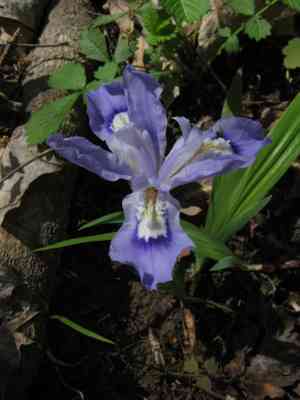
The dwarf crested iris is readily multiplied by separating its tubers in the springtime. The emergence of fresh shoots indicates successful propagation. For optimal results, use robust tubers and provide adequate spacing when planting.
Optimal Time for Dwarf Crested Iris Propagation
Propagation Method
Utilize The Tubers
Propagation Period
Spring
Tools Required for Dwarf Crested Iris Propagation
Sharp Knife or Blade
This instrument is vital for making clean cuts when dividing dwarf crested iris tubers. A sharp, sterilized knife ensures precise incisions, minimizes tissue damage, and lowers the chance of disease transmission between plants.
Garden Trowel
The trowel is employed to gently extract dwarf crested iris from the soil without harming nearby roots. Its dimensions and form allow for careful handling around delicate root systems. It also aids in preparing small holes for planting the divided tubers.
Garden Fork
A garden fork assists in loosening the soil around dwarf crested iris before it's lifted for propagation. It's beneficial for aerating the soil and preventing root system compaction, which can promote healthier post-propagation growth.
Pruning Shears
Pruning shears are essential for trimming dead or excess foliage from dwarf crested iris prior to division. This helps reduce plant stress and facilitates easier handling during the propagation process.
Rooting Hormone Powder or Gel
Rooting hormone encourages root development on new dwarf crested iris divisions. Its application can boost the success rate of propagation by promoting quicker root formation and healthier establishment of new plants.
Planting Pots or Trays
Suitable for initiating the divided dwarf crested iris tubers in controlled environments. These containers should possess adequate drainage holes to prevent waterlogging, which is crucial for tuber health.
Filtered Watering Can or Spray Bottle
For delivering a gentle water supply to dwarf crested iris after planting, minimizing soil disruption and ensuring newly planted tubers receive sufficient moisture without being overwhelmed.
Sterilizing Solution
Used to sanitize all tools before and after dividing dwarf crested iris. A sterilizing agent like alcohol or a 10% bleach solution helps prevent the spread of diseases among plants during the propagation process.
How to Propagate Dwarf Crested Iris
Propagation Method
Utilize The Tubers
Difficulty Level
Easy
Caring for Your Newly Propagated Dwarf Crested Iris
Caring for Your Newly Propagated Dwarf Crested Iris
Post-propagation, dwarf crested iris will thrive with consistent watering, especially during dry spells, to aid in the establishment of new divisions. However, it's vital to avoid overwatering as dwarf crested iris dislikes standing water. Continue mulching annually and apply a light fertilizer in early spring. Monitor for pests and diseases, and prune any dead or diseased foliage to maintain health. Dwarf crested iris requires minimal upkeep once established and will gradually expand to form a clump if left undisturbed.
Common Errors to Avoid When Propagating Dwarf Crested Iris
Excessive watering during rooting
Overwatering can lead to root rot, a damaging condition that prevents dwarf crested iris from successfully developing a healthy root system. Too much moisture reduces oxygen availability to the roots, encouraging fungal growth and potentially killing the plant.
Deep planting of divisions
Planting dwarf crested iris divisions too deeply can cause rhizome decay. These plants prefer their rhizomes slightly exposed, as deep planting can suffocate them and hinder their growth.
Neglecting soil structure
Using soil that is too compact or poorly draining can result in waterlogging and root rot in dwarf crested iris. It's essential to provide a soil mix that allows for proper drainage while retaining enough moisture to support root development.
Plant overcrowding
Crowding dwarf crested iris too closely can lead to competition for resources such as nutrients, water, and light, and can also promote the spread of pest infestations and diseases due to inadequate air circulation.
Tips for Propagating Dwarf Crested Iris
Division into appropriate segments
When propagating dwarf crested iris by division, ensure each segment has at least one leaf fan and a portion of the rhizome. This guarantees that every division has sufficient resources to establish itself as a new plant.
Rhizome surface exposure
Plant dwarf crested iris rhizomes so they are partly exposed to the air, mimicking their natural growing conditions and preventing rot. Lightly covering the rhizomes with soil can protect them while still allowing them to breathe.
Use of sharp tools
Employ sharp, sterile tools to divide dwarf crested iris, as clean cuts prevent damage to plant tissues and minimize the risk of disease and infections, giving new divisions the best chance for successful growth.
Proper watering
Water dwarf crested iris carefully, providing enough moisture to keep the soil slightly damp, but not waterlogged. Overwatering can lead to root rot, while underwatering might result in the plant failing to establish.



