Enhancing Your Garden Design with the Dwarf crested iris Plant: A Landscaping Guide
1
Dwarf crested iris flourishes in areas with partial to complete shade, perfect for forested sections of your yard.
2
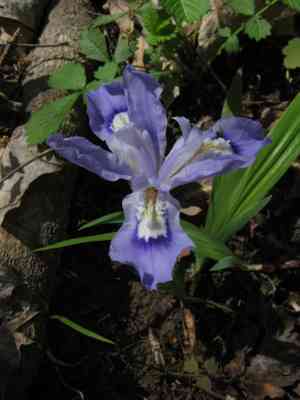
The distinctive blue blossoms of Dwarf crested iris appear in mid-spring, providing a timely splash of color.
3
Guarantee proper water runoff to avoid root decay and support the vitality of Dwarf crested iris.
Appreciating the Visual Appeal of Dwarf crested iris
Appearance: Size, Hue, and Blossoms
If you aim to introduce grace and vibrancy to your garden, Dwarf crested iris is an excellent selection. This plant typically reaches a modest height of approximately 6-8 inches, making it an ideal groundcover. Dwarf crested iris is recognized for its stunning blue flowers with contrasting yellow and white accents, which create a visually captivating display. The plant blooms in mid to late spring, offering a burst of color early in the gardening season when many other flowers are just beginning to emerge.
Seasonal Allure: When Does Dwarf crested iris Excel in the Garden?
Dwarf crested iris holds a unique position in the garden due to its bloom time and duration. The flowers of Dwarf crested iris typically appear in mid to late spring, providing a refreshing sight after the dull winter months. This seasonal charm is further enhanced by Dwarf crested iris's foliage, which remains attractive throughout the summer until frost. As a perennial, Dwarf crested iris returns annually, contributing to a landscape that develops and matures gracefully over time.
Companion Planting: Compatible Species
To amplify the beauty of Dwarf crested iris in your landscape, consider pairing it with other compatible species. Shade-loving plants such as ferns, hostas, and astilbes work wonderfully alongside Dwarf crested iris, as they share similar growing conditions. These combinations can create a lush, layered appearance in your garden, where the delicate blooms of Dwarf crested iris are highlighted by the contrasting textures and shapes of the companion plants. Additionally, planting Dwarf crested iris in groupings can boost its visual impact.
Optimal Placement for Dwarf crested iris for Maximum Effect
Selecting the Ideal Spot: Sunlight and Exposure
Finding the perfect location for Dwarf crested iris in your garden is vital for its development and visual appeal. This plant prefers partial to full shade, making it suitable for woodland gardens or shaded borders. Avoid areas with intense, direct sunlight, as this can stress the plant and diminish its bloom quality. Instead, choose a spot where it can receive dappled sunlight or afternoon shade, ensuring that Dwarf crested iris stays healthy and vibrant.
Soil Requirements: Drainage and pH Levels
Dwarf crested iris thrives in soil that is well-drained and rich in organic matter. Ensuring proper drainage is crucial to prevent root rot, a common problem in areas with heavy, waterlogged soil. To improve drainage, consider adding compost or other organic amendments to the planting site. Furthermore, Dwarf crested iris prefers slightly acidic to neutral soil, so it's advisable to test your soil pH and adjust it if necessary. These conditions will promote healthy root development and vigorous growth.
Spacing and Planting: Maximizing Growth and Visual Appeal
When planting Dwarf crested iris, spacing is essential for optimizing both growth and visual appeal. Aim to space individual plants approximately 12-18 inches apart. This allows them ample room to spread and fill in over time, creating a dense, colorful groundcover. Planting in clusters rather than single specimens can also enhance the aesthetic appeal, making a more prominent statement in the landscape. Be sure to plant Dwarf crested iris at the correct depth, typically with the rhizomes just below the soil surface.
Designing Your Landscape with Dwarf crested iris
Integrating Dwarf crested iris into Various Garden Styles
One of the great strengths of Dwarf crested iris is its adaptability, fitting seamlessly into a range of garden styles. In a cottage garden, Dwarf crested iris can add a touch of charm and color, while in a woodland garden, it reinforces the naturalistic, tranquil atmosphere. Dwarf crested iris can also be used in formal garden designs, providing a low-growing, neat edge along paths or flower beds. Experiment with different placements and combinations to see how Dwarf crested iris can enhance your garden’s unique style.
Creating Focal Points with Dwarf crested iris in Your Garden
Creating focal points in your garden with Dwarf crested iris is an excellent way to attract attention and add interest. Consider planting Dwarf crested iris at the front of a shady border or around the base of a tree, where its vibrant blue flowers can stand out. Another option is to use Dwarf crested iris as an underplanting for taller shrubs and trees, providing a colorful and textured understory. By thoughtfully positioning Dwarf crested iris, you can transform an ordinary garden spot into a captivating visual focal point.
Maintenance Tips to Enhance Landscape Aesthetics
Maintaining Dwarf crested iris in your landscape is relatively straightforward but crucial for optimal aesthetics. Deadhead spent flowers to encourage continuous blooming and prevent self-seeding, which can lead to overcrowding. Also, keep an eye out for any yellowing leaves, removing them to maintain the plant's neat appearance. Regularly check soil moisture levels, especially during dry spells, as Dwarf crested iris prefers consistent moisture. A light mulch can help retain soil moisture and suppress weeds, ensuring that Dwarf crested iris remains a highlight of your garden.
Common Challenges and Solutions When Landscaping with Dwarf crested iris
Addressing Pests and Diseases: Preventive Measures
While Dwarf crested iris is relatively resistant to pests and diseases, it's always wise to be prepared. Slugs and snails can sometimes be an issue, particularly in very damp conditions. To deter these pests, consider using barriers or organic slug repellents. Also, ensure good air circulation around the plants to reduce the risk of fungal diseases. Regularly inspect your plants for any signs of trouble and address issues promptly to keep your Dwarf crested iris healthy and thriving.
Climate Considerations: Ensuring Year-Round Beauty
Understanding your local climate is essential for maintaining the beauty of Dwarf crested iris throughout the year. In regions with harsh winters, consider providing a layer of mulch to protect the roots from freezing temperatures. Conversely, in very hot climates, additional watering and shade provision might be necessary to prevent stress. By tailoring your care practices to your specific climate conditions, you can ensure that Dwarf crested iris continues to flourish year after year.
Reviving Dwarf crested iris After Common Setbacks
Despite your best efforts, Dwarf crested iris might occasionally face setbacks such as wilting or poor bloom. Reviving Dwarf crested iris often involves identifying and addressing the underlying issue. Ensure it’s getting the right amount of water and check for any soil nutrient deficiencies. Pruning back any damaged foliage can also help the plant redirect its energy into healthy growth. With care and attention, Dwarf crested iris can bounce back from most common gardening challenges, regaining its place as a star in your landscape.



