How to Overwinter Dwarf crested iris
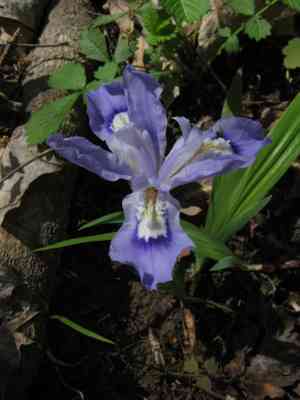
1
Dwarf crested iris thrives in chilly environments, making it a resilient option for the colder months.
2
Adequate mulching helps shield Dwarf crested iris from freezing temperatures.
3
Checking soil dampness is vital to avoid excessive watering and decay in winter.
What is Overwintering for Dwarf crested iris?
What is Overwintering for Dwarf crested iris?
Overwintering refers to the process of preparing and safeguarding plants to guarantee their survival through the cold winter months. For Dwarf crested iris, a robust perennial, this preparation is crucial for its vigorous return in spring. It involves a series of actions to shield the plant from extreme cold and frost, maintain proper soil conditions, and prevent damage from pests and diseases.
Preparing Dwarf crested iris for Winter
Cleaning and Trimming the Foliage
Start by tidying up around your Dwarf crested iris. Remove any dead or diseased leaves to prevent pests and diseases from overwintering. Cutting back the foliage to a few inches above the ground can reduce the risk of mold and other pathogen damage. This also helps the plant conserve energy through winter.
Applying Winter Mulch
Mulching is a vital step in protecting Dwarf crested iris from severe winter conditions. Apply a thick layer of mulch, approximately 5-7.5 centimeters (2-3 inches) or more depending on your local climate, over the plant's crown. This insulates the rhizomes and stabilizes soil temperature, reducing the chance of frost heave. Use organic materials like straw, pine needles, or shredded leaves for optimal results.
Ideal Conditions for Overwintering Dwarf crested iris
Temperature Requirements
Although Dwarf crested iris is frost-hardy, providing the correct temperature range remains essential for its health. These plants can typically endure temperatures as low as -34°C (-30°F). However, in areas with fluctuating temperatures, it's important to offer additional protection through mulching and potentially using frost covers during extreme conditions.
Soil and Moisture Management
Maintaining appropriate soil moisture without over-irrigating is crucial. The soil should drain well to prevent waterlogging, which can lead to rhizome rot. Water the plant sparingly in winter, just enough to keep the soil slightly damp but not wet. Regularly checking soil moisture and adjusting watering as needed can save your plant from potential winter damage.
Light Exposure
Dwarf crested iris thrives in partial to full shade during its active growth, but in winter, light needs are less of a concern as the plant is dormant. Ensure the plant's location is not excessively exposed to drying winter winds, which can dehydrate the foliage and rhizomes.
Common Mistakes to Avoid When Overwintering Dwarf crested iris
Overwatering
One of the most frequent errors is excessive watering. Too much water can cause root rot and other fungal infections. Always check soil moisture before watering and ensure the surrounding soil is well-drained to prevent waterlogging.
Ignoring Pest Control
Dormant plants can still be affected by pests. Slugs, snails, and other creatures can hide under mulch and harm your Dwarf crested iris. Regularly inspect for and manage pests, even during the winter months, to keep your plant healthy.
Inadequate Mulching
Insufficient mulching can leave your Dwarf crested iris vulnerable to cold temperatures and frost heave. Make sure to apply a sufficiently thick layer of organic mulch to safeguard the rhizomes and maintain stable soil temperatures.
FAQs on Overwintering Dwarf crested iris
How do you protect Dwarf crested iris in extreme frost?
In conditions of extreme frost, consider adding an extra layer of mulch or utilizing frost covers to further insulate the plant. Additionally, ensuring the plant is in a sheltered spot can help minimize exposure to harsh winds and freezing temperatures.
Can Dwarf crested iris be overwintered indoors?
While Dwarf crested iris is primarily an outdoor plant, it can be brought indoors for winter if necessary. If you choose to do so, place it in a cool, dark area and keep the soil slightly moist. This mimics the plant's natural dormant state and aids its survival until spring.



