The Dwarf crested iris Plant Advantage: Maximizing Home and Office Appeal and Wellness
1
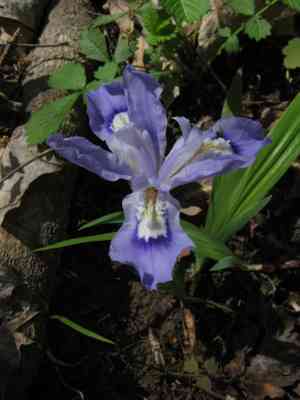
The dwarf crested iris flourishes in low-light environments, making it an excellent choice for garden spots.
2
This plant needs little upkeep, which is great for gardeners with limited time.
3
Dwarf crested iris offers impressive visual charm through its vibrant blue and purple blooms.
Benefits of Dwarf Crested Iris for Your Garden
Effortless Upkeep
A key advantage of Dwarf crested iris is its minimal care requirements. This plant is robust and flourishes in diverse environmental settings. It needs little watering and grows well in shaded spots, making it ideal for even novice gardeners. Furthermore, its pest resistance reduces the need for chemical treatments, promoting an environmentally friendly gardening approach.
Visual Appeal
Dwarf crested iris is celebrated for its striking blue and purple blossoms. These vivid colors can bring sophistication and serenity to any garden area. Its beautiful look not only enhances your garden's aesthetics but also draws beneficial insects like bees and butterflies, fostering a healthier garden ecosystem.
Practical Applications of Dwarf Crested Iris
Ground Cover Solution
Dwarf crested iris excels as a ground cover due to its spreading habit. Its dense foliage helps prevent soil erosion and suppresses weed growth, offering a natural and attractive way to protect the soil. This feature is especially useful for landscaping sloped areas or garden sections needing additional coverage.
Creating Natural Habitats
By incorporating Dwarf crested iris into your garden, you establish a natural home for various wildlife. The plant's flowers provide nectar for pollinators, while its leaves can offer refuge to small insects and creatures. This, in turn, boosts biodiversity and supports the ecological balance within your garden environment.
Environmental Advantages of Dwarf Crested Iris
Erosion Prevention
The root system of Dwarf crested iris plays a vital role in stabilizing soil. This makes the plant an invaluable asset in controlling erosion, particularly in sloped or hilly regions. By planting Dwarf crested iris, you can effectively lower the risk of soil degradation and encourage sustainable gardening practices.
Enhanced Soil Quality
Plants like Dwarf crested iris contribute to improving soil quality by enriching it with organic matter as their leaves decompose. This process boosts soil fertility and structure, making it a superior growing medium for other plants. Consequently, integrating Dwarf crested iris into your garden plan can lead to healthier plants and a more productive garden overall.
Integrating Dwarf Crested Iris into Your Garden
Optimal Growing Conditions
Dwarf crested iris prefers shaded to partially shaded environments with well-drained soil. While it is relatively low-maintenance, it thrives best when planted in conditions that mimic its natural woodland habitat. Choose areas in your garden that receive filtered sunlight and have good air circulation to ensure optimal growth.
Planting and Care Guidelines
When planting Dwarf crested iris, space the plants approximately 12 inches apart to allow for adequate spreading. Water them regularly until they are established, but be careful not to overwater, as this can lead to root rot. Mulching around the plants can help retain soil moisture and keep weeds at bay. Pruning is generally unnecessary, but removing spent flowers can encourage blooming and maintain the plant's neat appearance.
Common Questions About Dwarf Crested Iris
Can Dwarf Crested Iris Be Grown Indoors?
Dwarf crested iris is best suited for outdoor settings, mimicking forest floor conditions. However, with the right indoor environment, such as ample indirect light and humidity, it is possible to grow it indoors with careful attention.
Is Dwarf Crested Iris Safe for Pets?
While Dwarf crested iris is generally not known to be harmful, it's always wise to keep plants out of reach of pets to prevent any accidental ingestion. Consult with a veterinarian if you have concerns about specific plants and pet safety.



