How Much Sunlight Do Dwarf crested iris Need?
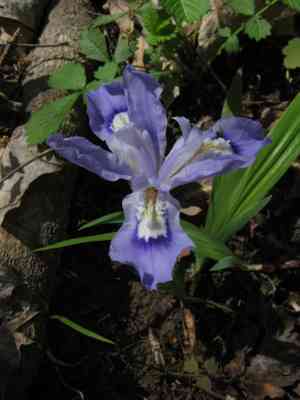
1
Dwarf crested iris thrives in partial shade, receiving approximately 3-6 hours of daily sunlight.
2
Morning sun is optimal for Dwarf crested iris, fostering robust development without the harshness of strong afternoon rays.
3
Excessive sun exposure can lead to scorched leaves, whereas insufficient light hinders blooming and causes elongated stems.
Ideal Illumination Needs for Dwarf crested iris
Partial Shade: The Preferred Light Level
Dwarf crested iris flourishes best in partial shade. This plant thrives with approximately 3-6 hours of daily sunlight. This balance provides sufficient light for growth and vibrant blooms while preventing the harsh, damaging effects of prolonged direct sun. Positioning your Dwarf crested iris where it's shielded from intense midday sun often yields superior results.
Morning Sun Exposure: Why It's Beneficial
Morning sun is especially advantageous for Dwarf crested iris. The early light offers gentle illumination, vital for the plantâs photosynthesis without the intense heat of the afternoon. By placing your iris where it receives morning rays, you help maintain its vigor and prevent issues like leaf burn and dehydration that can arise from excessive afternoon exposure.
Effects of Full Sun on Dwarf crested iris
While Dwarf crested iris can endure full sun, it's important to note potential risks. Extended exposure to full sun, particularly during the hottest parts of the day, can lead to leaf scorch, causing leaves to become brown and brittle. To mitigate this, ensure these irises receive some protection during peak sun hours, either from natural shade or by planting them in less sun-exposed garden spots.
Recognizing Light Problems in Dwarf crested iris
Signs of Excessive Sunlight
It's crucial to identify indicators of too much sunlight for your Dwarf crested iris. Look for symptoms such as brown, burned leaf edges, wilting despite adequate watering, and leaves that curl or turn a lighter, bleached hue. Additionally, stunted development and a lack of blooms can signal that the plant is suffering from overexposure to the sun.
Symptoms of Insufficient Light
Conversely, inadequate light can also impede the growth of Dwarf crested iris. Signs of light deprivation include leggy, elongated growth as the plant stretches for more light, smaller and fewer flowers, and a generally unhealthy, pale appearance. Ensuring the correct light balance is vital for the overall health and flowering potential of your irises.
Adjusting Light Conditions for Optimal Growth
Creating an Ideal Environment Indoors and Outdoors
Whether cultivating Dwarf crested iris indoors or outdoors, establishing the right environment is key. Outdoors, plant your iris beneath the partial shade of taller plants or structures that can protect them during the hottest parts of the day. Indoors, position your iris near east-facing windows to capture gentle morning light. Use sheer curtains to diffuse intense sunlight if needed. Rotate the pot regularly for even light distribution.
Using Artificial Lighting: Pros and Cons
Artificial lighting can be a viable option, especially for indoor Dwarf crested iris. LED grow lights, which mimic the natural sunlight spectrum, can provide consistent illumination, particularly in areas lacking natural light. However, it's essential to use a timer to simulate natural day-night cycles and avoid constant exposure. While artificial lighting offers flexibility, it can be energy-intensive and may not always perfectly replicate the benefits of natural sunlight.



