How to Prune Dwarf crested iris?
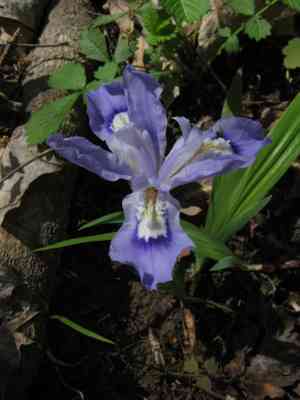
Flourishing in forested regions and inclines, Iris cristata displays violet-blue blossoms and a robust, spreading characteristic. Trim back the leaves following flowering to stimulate development and preserve its form. The most effective time for trimming is from the beginning of spring until the end of summer, coinciding with periods of active growth. Remove faded flowers to encourage a neater look and potentially boost further blooming. Extensive pruning is not required; minimal upkeep is adequate, safeguarding the plant's inherent structure and vitality.
What Are the Benefits of Pruning Dwarf Crested Iris?
What Are the Benefits of Pruning Dwarf Crested Iris?
Regular trimming of dwarf crested iris promotes vigorous development and maintains its compact shape, ensuring a neat garden aesthetic and fostering a healthier plant structure.
What Is the Best Time for Pruning Dwarf Crested Iris?
What Is the Best Time for Pruning Dwarf Crested Iris?
Trimming dwarf crested iris in early spring, following the last frost but prior to high summer temperatures, stimulates strong growth and prepares for flowering. Post-bloom pruning helps remove faded flowers and allows the plant to direct energy towards root and leaf development instead of seed production. Late summer trimming provides time for the plant to heal before winter, without encouraging new growth susceptible to frost damage.
What Tools Do I Need to Prune Dwarf Crested Iris?
Hand Pruners
For dwarf crested iris, small hand pruners are perfect as they allow for precise removal of spent flowers and trimming of any dead or diseased leaves without harming the delicate foliage or nearby blooms.
Garden Scissors
Garden scissors are suitable for snipping soft foliage and can be used to carefully shape dwarf crested iris or to thin out dense clumps if necessary, ensuring proper air circulation and reducing disease risk.
Pruning Snips
Pruning snips, with their sharp, pointed blades, are ideal for deadheading dwarf crested iris, enabling quick and clean cuts that encourage healthy growth and potentially more blooms during the flowering season.
Gloves
While not a cutting tool, gloves are crucial when pruning dwarf crested iris to shield the gardener's hands from sharp edges and maintain hygiene, preventing the spread of any plant diseases.
How to Prune Dwarf Crested Iris
Step1: Assess Plant and Identify Unhealthy Parts
Evaluate dwarf crested iris in early summer after it has finished blooming. Pinpoint the dead flowers, browning leaves, and wilted stems that require trimming.
Step2: Sterilize Pruning Tools
Utilize sharp, clean pruning shears or scissors to prevent damage to dwarf crested iris. Sanitize the tool before use with a solution of one part bleach to nine parts water to prevent disease transmission.
Step3: Prune Dead Flowers for Regrowth
Trim dead flowers at their base, ensuring the cut is just above where the stem meets the foliage of dwarf crested iris. This promotes the growth of new blooms and maintains the plant's visual appeal.
Step4: Remove Browning Leaves Carefully
Remove browning leaves by snipping them at the base, near the rhizome of dwarf crested iris. Be careful not to damage the rhizome or the adjacent healthy green leaves.
Step5: Trim Wilted Stems to Ground Level
Cut wilted or dead stems of dwarf crested iris down to the soil level. This not only improves the appearance of dwarf crested iris but also prevents disease and pest infestations.
Step6: Dispose of Pruned Plant Debris
Collect and discard all removed parts of dwarf crested iris in a compost bin or garbage to keep the area clean and eliminate potential disease sources.
Step7: Inspect for Pests and Diseases
Check for any signs of pests or diseases during pruning and address any such issues promptly to keep dwarf crested iris healthy.
Step8: Water Plant Post-Pruning
Water dwarf crested iris sufficiently after pruning to help the plant recover quickly. Avoid overwatering, as dwarf crested iris prefers well-drained soil.
Step9: Fertilize for Nutrient Boost
Apply a balanced fertilizer if necessary after pruning to provide dwarf crested iris with the essential nutrients for vigorous growth.
Step10: Monitor and Repeat Pruning as Needed
Observe dwarf crested iris for new growth and additional pruning requirements throughout the growing season, repeating the pruning process as needed.
Post-Pruning Care for Dwarf Crested Iris
Post-Pruning Care for Dwarf Crested Iris
Immediately after trimming dwarf crested iris, ensure ample light exposure without direct harsh sunlight. Maintain moderate humidity and an optimal temperature range for dwarf crested iris's growth. Post-pruning, apply a balanced fertilizer to replenish nutrients, encouraging recovery and robust growth. Regularly inspect dwarf crested iris for signs of stress or infection, such as wilting or discoloration. Promptly address stress indicators, adjusting environmental factors or applying appropriate treatments to prevent further damage.
Common Pruning Mistakes with Dwarf Crested Iris
Severe Over-pruning Causes Plant Stress
Excessive pruning, which involves cutting back the foliage too severely, leading to stress or damage to dwarf crested iris.
Post-bloom Pruning Impedes Photosynthesis
Trimming the green leaves immediately after blooming, which can deprive dwarf crested iris of its ability to photosynthesize and store energy for the next season.
Neglected Flower Removal Weakens Future Blooms
Failing to remove spent flowers and seed pods, which can divert energy from rhizome development and consequently reduce next year's blooms.
Diseases Spread by Unsterilized Pruning Tools
Using unsterilized pruning tools which might introduce diseases to dwarf crested iris or spread infections between plants.
Pruning in Damp Conditions Fosters Fungal Infections
Pruning during wet conditions, increasing the risk of fungal infections in the freshly cut areas of dwarf crested iris.
Improper Disposal of Plant Debris Invites Pests
Failure to properly dispose of diseased or dead plant material, which could attract pests or diseases back to dwarf crested iris.
Common Pruning Tips for Dwarf Crested Iris
Deadheading Spent Blooms Encourages Reblooming
After flowering, remove faded blooms by cutting or pinching them off close to the base to promote a neat appearance and potentially encourage a second bloom.
Pruning Brown Leaves Prevents Disease Spread
Trim away any brown or damaged leaves during the growing season to maintain healthy growth and prevent potential disease transmission.
End-of-Season Pruning Protects Rhizomes in Winter
At the end of the growing season or in early spring, cut back the foliage to tidy up the plant, leaving a few inches of the leaves to protect the rhizomes over the winter if necessary.
Tool Sterilization Prevents Plant Diseases
Sanitize pruning tools before and after use with a 10% bleach solution or rubbing alcohol to prevent the spread of diseases.
Dry-weather Pruning Reduces Fungal Risks
Only prune when dwarf crested iris's foliage is dry to reduce the chance of fungal infection development.
Clearing Clippings Deters Pests and Diseases
Clear away all clippings and dead material from the garden bed to maintain good hygiene and deter pests.



