
Dwarf crested iris (Iris cristata)
Also known as: Crested iris
Native to the eastern United States, Iris cristata, or the dwarf crested iris, features pale lavender blooms adorned with a distinctive orange or yellow crest. This fragrant species is popular in temperate regions for ornamental gardening.
Attributes of Dwarf crested iris
Images of Dwarf crested iris
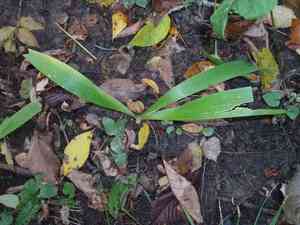
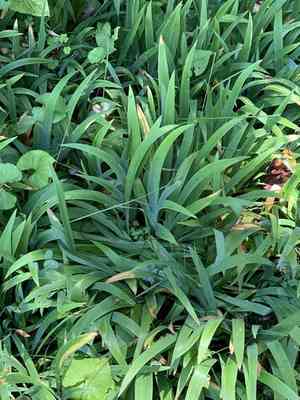
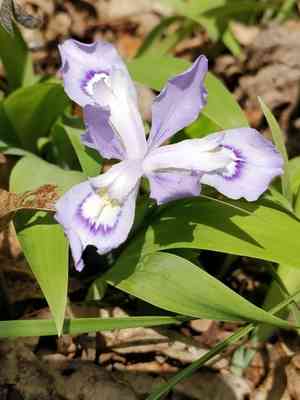
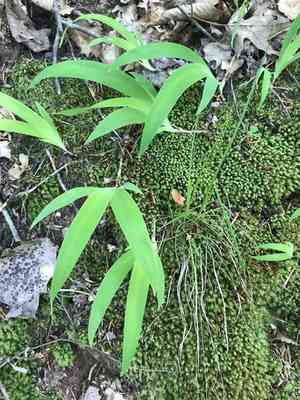
Quickly Identify Dwarf crested iris
Scientific Classification of Dwarf crested iris
Planting and Growing of Dwarf crested iris
 How to Water Dwarf crested iris?
 What Are the Sunlight Requirements for Dwarf crested iris?
 What Is the Ideal Temperature Range for Dwarf crested iris?
 What Soil is Best for Dwarf crested iris?
 How to Fertilize Dwarf crested iris?
 How to Prune Dwarf crested iris?
 How to Propagate Dwarf crested iris plant?
 How to Repot Dwarf crested iris plant?
Toxicity of Dwarf crested iris
Is Dwarf crested iris toxic to cat?
The dwarf crested iris poses a specific risk to cats, who may inadvertently consume the plant. Felines are particularly endangered if they ingest any part of the dwarf crested iris, including its roots, seeds, or come into contact with its sap. This exposure may result in various levels of physical distress or illness. If a cat consumes the dwarf crested iris, it is crucial to seek veterinary assistance without delay to manage the poisoning. Timely treatment at a veterinary facility is vital for alleviating the symptoms and safeguarding the cat's health and welfare.
Is Dwarf crested iris toxic to dog?
The dwarf crested iris is recognized as toxic to dogs. Canines may unintentionally consume various parts of the plant, including its roots, seeds, or sap, which could result in poisoning. If a dog ingests any portion of the dwarf crested iris, it may show signs indicative of poisoning. Such symptoms can manifest as gastrointestinal distress, vomiting, diarrhea, lethargy, or even more severe reactions, depending on the quantity consumed and the individual dog's sensitivity. It is essential for dog owners to keep a vigilant eye on their pets and restrict their access to the dwarf crested iris. Should a dog ingest this plant and show any signs of distress, urgent veterinary care is vital for accurate diagnosis and treatment.



