How to Transplant False bird of paradise?
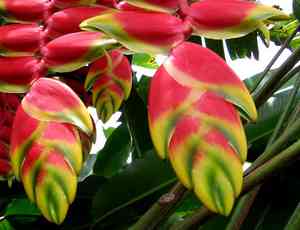
The ideal window for relocating false bird of paradise is the revitalizing phase from early to mid-spring. Select a site offering abundant light and soil that drains effectively. Ensure sufficient hydration post-transplant to encourage robust development. Enjoy your gardening endeavors!
What Preparations are Needed Before Transplanting False Bird Of Paradise?
What is the Ideal Time for Transplanting False Bird Of Paradise?
The optimal period to relocate false bird of paradise spans from early spring to its midpoint. Moving it during this season encourages vigorous development and blooming, enhancing your garden's appeal. This timeframe also allows the plant ample opportunity to establish itself prior to the onset of hot summer days.
How Much Space Should You Leave Between False Bird Of Paradise Plants?
When relocating false bird of paradise, ensure each plant has ample room to expand. Ideally, position them approximately 4-6 feet (1.2-1.8 meters) apart, enabling their beautiful flowers and leaves to fill the space without overcrowding.
What is the Best Soil Mix for False Bird Of Paradise Transplanting?
Before moving false bird of paradise, prepare the soil by blending it with well-draining, nutrient-rich, and organic material. Incorporating compost or aged manure will improve the soil's quality. Remember to add a slow-release, all-purpose fertilizer for a robust beginning!
Where Should You Relocate Your False Bird Of Paradise?
Locate a spot in your garden where false bird of paradise will receive partial to full sunlight, as they flourish with at least 6 hours of daily sun exposure. Ensure the area is not overly exposed to strong winds or intense sun, as this could harm the delicate leaves.
What Equipments Should You Prepare Before Transplantation False Bird Of Paradise?
Gardening Gloves
These are crucial for safeguarding your hands from soil and extracting the plant without getting dirt beneath your nails.
Shovel
You'll require a robust and durable shovel to excavate the plant from its initial position.
Gardening Trowel
This is a small hand implement useful for creating planting holes in the ground.
Watering Can
It is vital to hydrate the false bird of paradise after its relocation. A watering can with a showerhead attachment is preferred as it delivers a gentle spray that won't displace the soil.
Organic Mulch
Mulch will aid in retaining moisture around the plant once it's been moved.
How Do You Remove False Bird Of Paradise from the Soil?
How Do You Remove False Bird Of Paradise from the Soil?
From Ground: Begin by watering the false bird of paradise plant to soften the earth. Using your shovel, carefully start digging around the plant a few inches away from its base. Once you've dug several inches deep, begin working your way beneath the plant, ensuring the root ball remains intact. Then gently lift it from the ground.From Pot: If the false bird of paradise plant is in a container, water the soil, then carefully turn the pot onto its side. Support the stem with your hand and allow the plant to slide out. If it doesn't release easily, tap the pot's sides until it does.From Seedling Tray: If you're moving from a seedling tray, water the tray first. Then gently press the base of each cell and carefully lift the plant by holding its leaves rather than the stem.
Step-by-Step Guide for Transplanting False Bird Of Paradise
Preparation
Begin by watering the false bird of paradise plant in its current spot. This can significantly ease the process of digging it up.
Dig a Hole
Use your trowel to excavate a hole in the new location. The hole should be twice as wide as the root ball and match its original depth.
Placement
Position the false bird of paradise plant in the hole, ensuring the top of the root ball is level with the soil surface.
Backfill
Gently but firmly, refill the soil around the plant. Avoid treading around the plant as this can harm roots and compact the soil.
Water
Plants require additional water after being relocated, so use your watering can to thoroughly irrigate the planting area. You want the water to penetrate the soil to its full depth, reaching the roots of the false bird of paradise.
How Do You Care For False Bird Of Paradise After Transplanting?
Mulching
To aid in water absorption and maintain a consistent temperature, apply mulch around the false bird of paradise. Organic mulch will also decompose over time, providing nutrients to the soil.
Pruning
Depending on the size of your false bird of paradise, you might consider pruning it after relocation. This can help the plant redirect its energy towards root development instead of sustaining extensive foliage.
Monitoring
Observe the relocated false bird of paradise plant closely over the next few weeks. Signs of transplant shock include wilting, yellowing leaves, and a dull appearance. If you notice any of these symptoms, adjust your watering schedule and consider a mild plant food.
Troubleshooting Common Issues with False Bird Of Paradise Transplantation.
When is the best time of the year to transplant false bird of paradise?
Early to mid-spring is the most opportune period for relocating false bird of paradise. This provides ample time for them to establish before winter.
How much space does false bird of paradise need when I transplant it?
False bird of paradise requires a spacious environment for growth. Maintain a distance of approximately 4-6 ft (1.2-1.8 m) between each plant.
What's the ideal soil condition for transplanting false bird of paradise?
False bird of paradise thrives in well-draining soil rich in organic matter. A slightly acidic to neutral pH is optimal for its development.
Do I need to prune false bird of paradise before transplanting?
Yes, consider removing old, faded, or diseased foliage prior to relocation. This helps the plant focus more on new growth.
What depth should I dig the hole for transplanting false bird of paradise?
The hole should be twice as wide and the same depth as the root ball. This will provide sufficient space for roots to spread.
How should I water false bird of paradise after transplanting?
Thoroughly water the false bird of paradise after relocating it. Maintain consistently moist soil conditions but avoid waterlogging, which could harm the plant.
How often should I feed false bird of paradise after transplanting?
Nourish false bird of paradise with a slow-release fertilizer once at the beginning of the growing season. This will support its growth after relocation.
What kind of light exposure is best for false bird of paradise after transplanting?
False bird of paradise prefers a partially shaded area with filtered light. Shield it from intense midday sun that can damage the foliage.
What if I notice yellow leaves after transplanting false bird of paradise?
Yellow leaves may indicate water stress, either too much or too little. Adjust your watering regimen and ensure the soil drains effectively.
Why isn't my transplanted false bird of paradise showing new growth?
Your false bird of paradise might be experiencing transplant shock. Allow it time, ensure it receives proper light, water, and nutrients. It should recover soon.



