Boost Growth: How and When to Repot Your False bird of paradise Plant
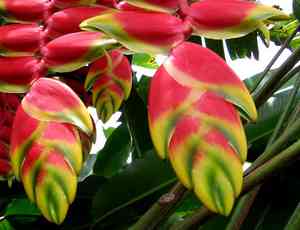
1
The best periods to transplant False bird of paradise are in Spring and Winter.
2
Transplanting aids in restoring soil nutrients and offers additional space for root development.
3
A False bird of paradise with constricted roots might exhibit slowed growth and foliage discoloration.
Why Replant Your False bird of paradise?
Knowing the Optimal Time for Transplanting
The ideal periods to replant your False bird of paradise are during Spring and Winter, when the plant is actively growing or in its dormant phase. This timing allows the plant to adapt and recover effectively after being moved. A general rule is to check annually in Spring or Winter to see if the plant has outgrown its current container.
Indicators Suggesting the Need for a New Pot
Several signs indicate your False bird of paradise is ready for a larger container. Look for roots emerging from drainage holes, soil drying out more quickly, stunted development, or yellowing foliage. If the plant becomes top-heavy, it's another clear signal it requires more space to expand.
Advantages of Repotting for Plant Vitality
Replanting your False bird of paradise offers numerous health benefits. New soil provides essential nutrients for growth. A larger container offers more room for roots to spread, ensuring better water and nutrient uptake. Additionally, it helps prevent root-bound conditions that can stress the plant and impede its overall progress.
Preparing to Replant Your False bird of paradise
Choosing the Appropriate Container and Growing Medium
Select a pot that is one size larger (approximately 5-10 cm or 2-4 inches in diameter) than the current one. Ensure it has sufficient drainage holes to prevent waterlogging. Opt for a well-draining potting mix, ideally one formulated for tropical plants, containing a balance of organic matter, peat, perlite, and sand.
Gathering Necessary Implements
Before you start, collect all required tools: a new pot, fresh potting mix, a small hand trowel, pruning shears, and protective gloves. Having everything prepared will make the process smoother and less stressful for both you and the plant.
Pre-Transplanting Care Advice
Water your False bird of paradise a day before replanting to facilitate easier removal. Also, inspect the plant for any signs of pests or diseases and address these issues before moving it to a new pot. Consider placing a layer of gravel or broken pottery at the bottom of the new pot to improve drainage.
Detailed Guide to Replanting False bird of paradise
Carefully Extracting the Plant
To remove your False bird of paradise, gently tap the sides of the current pot to loosen the soil. Carefully tilt the pot and ease the plant out, supporting its base with one hand while gently pulling the pot away with the other. If needed, use a knife to separate the edges if the plant is stuck.
Inspecting and Trimming Roots
Once the plant is out of its container, examine the roots. Healthy roots are white or light tan and firm to the touch. Trim away any brown, black, or mushy roots with sterilized pruning shears. This trimming encourages new growth and helps the plant establish itself in the new soil.
Positioning the Plant in the New Container
Add a layer of fresh soil to the bottom of the new pot. Place the plant in the center, ensuring the top of the root ball is slightly below the pot's rim. Fill in the spaces around the sides with soil, firming it gently but not tightly. Water the plant thoroughly to settle the soil around the roots.
Post-Repotting Care Recommendations
After replanting, place your False bird of paradise in a spot with bright, indirect light. Avoid direct sunlight initially to prevent stress. Water the plant when the top 2-3 cm (1 inch) of soil feels dry to the touch. Gradually resume your regular care routine once the plant shows signs of new growth and establishes itself in the new pot.



