How to Overwinter False bird of paradise
1
Begin moving your False bird of paradise indoors for winter when evening temperatures consistently fall below 10°C (50°F).
2
Optimal indoor environments feature temperatures ranging from 18-24°C (65-75°F) and average humidity levels.
3
Periodically check for insects to avoid pest outbreaks throughout the colder season.
Why Overwintering False bird of paradise is Important
Why Overwintering False bird of paradise is Important
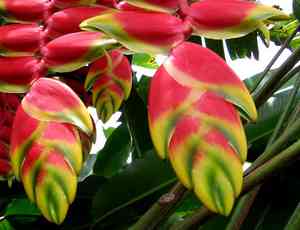
The False bird of paradise, recognized for its stunning, drooping flower clusters and rich green foliage, is a tropical species native to Central and South America. These plants are typically tender perennials, meaning they lack frost tolerance and cannot endure freezing temperatures. Consequently, if you reside in an area with cold winters, it's essential to bring your False bird of paradise indoors for the winter to ensure its health and vibrancy until the next growing season. Overwintering safeguards the plant from cold damage, minimizes disease risk, and prepares it for abundant spring blooms.
Preparing False bird of paradise for Overwintering
Inspecting for Pests and Diseases
Before moving your False bird of paradise indoors, thoroughly examine it for any indications of pests or diseases. Look for discolored leaves, holes in the foliage, or insects on the undersides of leaves. Addressing these problems early is vital to prevent their spread indoors. If pests are found, treat them with an appropriate pesticide or insecticidal soap. This step ensures your indoor environment remains healthy for your plant.
Pruning and Cleaning the Plant
Trimming your plant before bringing it inside can aid its adjustment and lessen the chance of pests. Remove any dead or yellowing leaves, and cut back overly long stems to encourage robust growth. This pruning also enhances air circulation around the plant, which is key to reducing the risk of fungal diseases. After pruning, wipe the plantâs leaves with a damp cloth to remove dust or debris.
Adjusting Watering Schedule
The watering requirements for your False bird of paradise will change once it's indoors. Typically, indoor settings have lower light levels and reduced airflow, meaning the plant will need less water. Allow the top inch (2.5 cm) of soil to dry out between waterings to prevent root rot. Regular monitoring of moisture levels is crucial for the plantâs health during its dormant period.
Ideal Indoor Conditions for Overwintering
Optimal Temperature and Humidity Levels
To keep your False bird of paradise content indoors, maintain an indoor temperature between 18-24°C (65-75°F). These temperatures mimic the plantâs native tropical habitat. Additionally, keep humidity levels moderate, ideally between 40-60%. You can use a humidifier or place a pebble tray with water near the plant to achieve these conditions.
Light Requirements
Your False bird of paradise will flourish in bright, indirect light. A location near an east-facing or west-facing window is perfect. If natural light is insufficient, consider using a grow light for at least 6-8 hours daily as a supplement. Be careful not to place the plant in direct sunlight, as this can scorch its leaves.
Common Challenges During Overwintering
Preventing Fungal Diseases
Indoor conditions can sometimes lead to an increase in fungal diseases due to poor air circulation and higher humidity. To prevent this, ensure there's ample space around your False bird of paradise for air movement. Avoid overwatering, and promptly remove any fallen leaves or debris from the soil surface to reduce the risk of mold and fungal growth.
Managing Pest Infestations
Pest infestations can be more difficult to control indoors. Regularly check your plant for signs of common pests like spider mites, aphids, and scale insects. If you notice any, isolate the affected plant and treat it with neem oil or insecticidal soap. Maintaining a clean environment and close observation can help keep pest issues at bay.
Returning False bird of paradise Outdoors
Adjusting to Outdoor Conditions
Once the threat of frost has passed, and nighttime temperatures consistently remain above 10°C (50°F), you can begin moving your False bird of paradise back outdoors. Start by placing the plant in a shaded area for a few hours each day, gradually increasing its outdoor time over one to two weeks. This helps the plant adapt to brighter light and fluctuating temperatures.
Gradual Reintroduction Process
A slow reintroduction process is vital to prevent shock to your plant. Over 10-14 days, progressively increase its exposure to direct sunlight and outdoor conditions. Monitor the plant for signs of stress, such as wilting or leaf drop, and adjust its placement as needed. Once fully acclimated, find a suitable spot in your garden for the growing season and continue with regular care.



