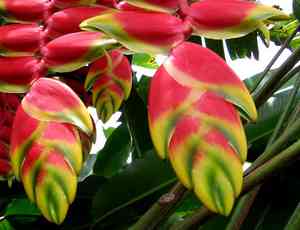
False bird of paradise (Heliconia rostrata)
Also known as: Hanging lobster claw heliconia, Crab claw, Parrot's beak heliconia
The national flower of Bolivia is the Kantuta. It is an herbaceous plant with vibrant flowers, native to the Andean region.
In This Article
Attributes of False bird of paradise
Lifespan
Perennial
Plant Type
Herb
Plant Height
1.2 m to 1.8 m
Spread
90 cm to 1.8 m
Leaf Color
Green
Flower Size
2.5 cm
Flower Color
Red Yellow Green
Images of False bird of paradise
Quickly Identify False bird of paradise
1
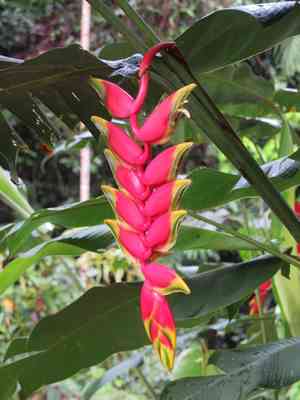
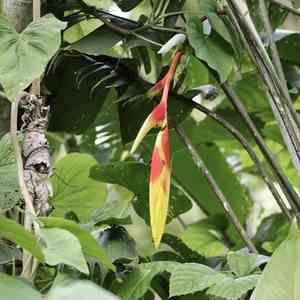
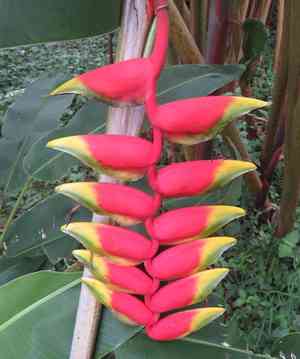
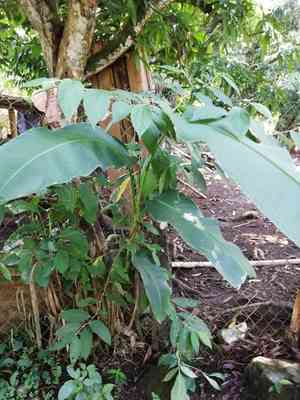
Heliconia rostrata can be identified by its long, pendulous inflorescence consisting of brightly colored red and yellow bracts. The plant also has large, banana-like leaves which can be quite broad and long. The plant usually grows in clusters, adding to its distinctive appearance.
Scientific Classification of False bird of paradise
Phylum
Vascular plants
Class
Monocotyledons
Order
Zingiberales
Family
Heliconia
Genus
Lobster-claws
Species
False bird of paradise
Planting and Growing of False bird of paradise
Care Difficulty
Hard
Watering Schedule
Every 4 days
Sunlight Requirements
Partial sun
Sunshine Duration
6-8 hours
Ideal Temperature
68-86℉
Soil Type
Potting Mix, Peat Mix
Soil pH
6.5-7.5
Fertilizer Type
Balanced
Pruning Season
Spring, Summer
Pruning Area
Branches, Leaves
Pruning Frequency
2 times a year
Repotting Season
Spring
Pot Type
Plastic, Ceramic
 How to Water False bird of paradise?
Heliconia rostrata requires consistent moisture, aiming for about 500 ml per watering session. Ensure the soil is evenly moist but not waterlogged. It thrives in environments that mimic its tropical homeland, so the soil should remain damp to the touch but not soaking wet.
More About Watering Techniques→
What are the symptoms of an underwatered False bird of paradise?
›
What should I do if my False bird of paradise is not getting enough water?
›
What are the symptoms of an overwatered False bird of paradise?
›
How to save an overwatered False bird of paradise?
›
 What Are the Sunlight Requirements for False bird of paradise?
Heliconia rostrata prefers partial sun exposure. Proper light facilitates nutrient processing and maximizes vibrant flowering potential.
More About Sunlight Requirements Techniques→
What is the ideal sunlight for Heliconia rostrata?
›
How can I achieve ideal lighting for Heliconia rostrata?
›
What are the benefits of ideal lighting for Heliconia rostrata?
›
 What Is the Ideal Temperature Range for False bird of paradise?
The ideal temperature range for Heliconia rostrata is between 68°F and 86°F. This range ensures optimal growth and blooming, reflecting the warm, humid conditions of their native tropical habitat. Maintaining these temperatures helps prevent issues such as stunted growth or poor flowering, which can occur if the plant is exposed to temperatures outside this range.
 What Soil is Best for False bird of paradise?
Heliconia rostrata thrives in well-drained soil to prevent root rot. Efficient drainage ensures that the soil doesn’t become waterlogged, which could suffocate roots and promote fungal diseases. This plant prefers soil amended with organic matter. Organic compost provides essential nutrients and maintains a healthy ecosystem, promoting better root development and vibrant blooms. Soil that retains enough moisture is crucial for Heliconia rostrata, preventing it from drying out between waterings while avoiding saturation. This balance supports consistent growth and flowering.
More About Soil→
 How to Fertilize False bird of paradise?
For Heliconia rostrata, use about 1/2 teaspoon of a balanced liquid fertilizer diluted in one gallon of water for young plants and up to 1 tablespoon for mature plants. Use slow-release granules sparingly, around 2-3 teaspoons per plant.
More About Fertilizing Techniques→
 How to Prune False bird of paradise?
Before you start pruning your Heliconia rostrata, ensure you have a pair of sharp, clean pruning shears. Clean shears help prevent the spread of diseases from one part of the plant to another. Wear gloves to protect your hands from any sap or potential allergens. Begin by identifying any wilted or spent flowers, which are typically easy to spot due to their lack of vibrant color. Cut these flowers back to the base of their stalk to encourage the plant to redirect energy into new growth and flowers. Old or damaged stems can be cut back to the base to make way for new, healthier growth. Cutting these back also prevents pest infestation and disease, which often target weakened parts of the plant.
More About Pruning Techniques→
 How to Propagate False bird of paradise plant?
1
Water the Heliconia rostrata plant thoroughly a day before propagation to ensure the soil is moist and roots are hydrated, making division easier.
2
Carefully dig up the plant and gently shake off excess soil from the roots. Use a sterile knife to cut the rhizomes into sections, each containing at least one bud.
3
If using seed propagation, plant the seeds in trays filled with a seed-starting mix and cover lightly with soil. Keep moist and warm for germination.
 How to Repot False bird of paradise plant?
1
Repotting Heliconia rostrata is necessary when the roots start to circle the pot, indicating that the plant is root-bound. Another signal can be a decrease in growth rate or the soil drying out more quickly than usual. The best time to repot is during its active growth period, typically in spring or early summer, ensuring the plant can quickly adapt to its new environment.
2
Select a pot that is 2-3 inches larger in diameter than the current one to provide ample space for root growth. It's essential to have a pot with drainage holes to prevent waterlogged conditions, which could lead to root rot. A slightly heavier pot may also stabilize the plant, as Heliconia can grow quite tall and become top-heavy.
3
A soil mix rich in organic matter with excellent drainage is perfect for Heliconia rostrata. Using a combination of peat, pine bark, and perlite can provide the necessary nutrients while ensuring proper aeration. This type of soil helps maintain the moisture level without becoming too soggy, promoting healthy root development.



