The False bird of paradise Plant Advantage: Maximizing Home and Office Appeal and Wellness
1
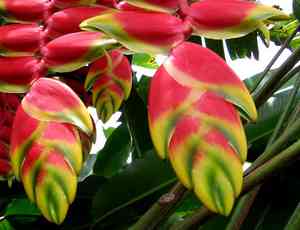
This lively plant is recognized for its impressive, brightly colored bracts that look like lobster claws.
2
It flourishes in warm, humid climates and is native to different areas throughout Central and South America.
3
False bird of paradise is frequently utilized in decorative gardening and landscape design because of its visual charm.
What Are the Aesthetic Benefits of False bird of paradise?
Vibrant Colors and Unique Shape
A primary draw of False bird of paradise is its vivid, exotic look. The plant showcases bright red, yellow, and green tones, creating a visually stunning display. Its distinct bracts, often resembling lobster claws, offer an eye-catching focal point in any garden or landscape. These striking features make it a popular choice for garden enthusiasts seeking to add color and sophistication to outdoor areas.
Versatile Landscaping Options
Whether designing an elaborate botanical garden or a simple backyard oasis, False bird of paradise provides adaptable landscaping possibilities. Its bold appearance complements various other tropical plants and is perfect for themed garden setups. Additionally, it can serve as a centerpiece in plant arrangements, instantly boosting the aesthetic appeal of surrounding flora.
How Does False bird of paradise Benefit Local Ecosystems?
Attracts Pollinators
False bird of paradise plays a vital role in supporting local ecosystems by drawing in pollinators like birds, bees, and butterflies. The plant's vibrant blooms offer a reliable nectar source, encouraging these pollinators to visit and thrive in the area. This beneficial relationship ensures the health of False bird of paradise and supports broader ecological balance by aiding in the pollination of other plants.
Promotes Biodiversity
Incorporating False bird of paradise into a garden or natural landscape helps foster biodiversity. As a native tropical plant, it coexists harmoniously with other indigenous species, cultivating a robust and diverse ecosystem. Its introduction can help restore natural habitats, support various forms of wildlife, and contribute to the overall ecological health of the environment.
Can False bird of paradise Be Used in Indoor Settings?
Indoor Ornamental Uses
False bird of paradise isn't just for outdoor gardens; it can also flourish indoors under proper conditions. When grown inside, it brings a touch of tropical elegance to living spaces, making it a popular choice for indoor ornamental displays. Its vibrant bracts and lush foliage add a dynamic and refreshing visual element to interior environments.
Indoor Care Tips
To successfully grow False bird of paradise indoors, it's crucial to replicate its natural tropical habitat. This includes providing ample sunlight, humidity, and well-draining soil. Placing the plant near a window with indirect sunlight and regularly misting its leaves can help maintain the moisture levels it needs. Additionally, ensuring a warm indoor environment will support the plant's growth and longevity.
What Are the Practical Uses of False bird of paradise?
Culinary Applications
While primarily known for its ornamental value, False bird of paradise also has practical uses in culinary applications. Its flowers and bracts are sometimes used as decorative elements in dishes, adding an exotic touch to food presentations. Though not commonly consumed, these plant parts can provide a unique and visually appealing garnish for special occasions and gourmet meals.
Eco-Friendly Garden Solutions
For environmentally conscious gardeners, False bird of paradise offers a sustainable option for enhancing garden aesthetics. Its natural resistance to pests and diseases means it requires fewer chemical treatments, aligning with eco-friendly gardening practices. By incorporating it into your garden, you can reduce the need for synthetic pesticides and contribute to a healthier, more sustainable environment.
How to Cultivate and Care for False bird of paradise
Planting and Soil Requirements
Cultivating False bird of paradise involves understanding its specific needs for soil, water, and light. The plant thrives in well-draining soil enriched with organic matter. When planting, ensure the soil is consistently moist but not waterlogged, as excessive water can lead to root rot. Additionally, choosing a location with partial shade and protection from strong winds will foster optimal growth conditions.
Maintaining Health and Preventing Pests
Regular maintenance is vital for keeping False bird of paradise healthy and vibrant. This includes pruning dead or damaged leaves, ensuring adequate air circulation, and monitoring for common pests like aphids and spider mites. Implementing natural pest control methods, such as introducing beneficial insects or using neem oil sprays, can help manage pest populations without harming the plant or its environment.



