Optimal Fertilizer for Growing False bird of paradise: What You Need to Know
1
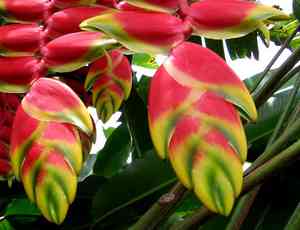
The false bird of paradise flourishes optimally with fertilization during the warmer seasons.
2
Natural fertilizers boost soil vitality through better composition and nutrient levels.
3
Excessive fertilization can seriously harm your plant, causing leaf discoloration and stunted development.
Grasping Fertilizer Requirements for False Bird of Paradise
Crucial Nutrients Needed
Similar to most tropical flora, the False bird of paradise necessitates a balanced provision of vital nutrients. Nitrogen (N), phosphorus (P), and potassium (K) are the primary macronutrients that foster robust leaf development, vivid blooms, and strong root systems. Furthermore, trace elements such as iron, magnesium, and calcium are essential for overall plant vigor. Ensuring a balanced intake of these nutrients will help your False bird of paradise flourish and exhibit its characteristic lush foliage and stunning flowers.
Indicators of Nutrient Deficiency
Recognizing the signs of nutrient deficiency can help you address your plant's needs promptly. Watch for yellowing leaves, stunted development, and poor flowering. Yellowing, or chlorosis, is often due to a lack of nitrogen, while purple leaves may signal phosphorus deficiency. Potassium scarcity frequently results in yellow leaf margins and weak stems. By identifying these indicators early, you can modify your fertilization regimen to maintain your plant's well-being.
How Often Should Fertilization Occur?
Frequency can significantly impact your plant's health. During summer, when the False bird of paradise is in its active growth phase, fertilize every 4-6 weeks. This schedule ensures the plant receives a consistent supply of nutrients vital for vigorous growth and vibrant blooms. Conversely, decrease the frequency during the dormant winter months to prevent over-fertilization. A balanced approach to fertilizing promotes a healthy growing environment for your plant.
Selecting the Appropriate Fertilizer for False Bird of Paradise
Fertilizer Types Suitable for False Bird of Paradise
Choosing the correct fertilizer type is vital for optimal growth. Water-soluble fertilizers are excellent for immediate nutrient absorption, while slow-release fertilizers deliver a steady nutrient supply over time. Both types have their benefits and can be utilized to meet the plant's needs at various growth stages. Ensure the fertilizer you choose has a balanced ratio like 10-10-10, which provides equal parts nitrogen, phosphorus, and potassium.
Organic vs. Synthetic Fertilizers
Organic fertilizers, such as compost and manure, enhance soil texture and introduce beneficial microorganisms, improving long-term soil health. Synthetic fertilizers, conversely, provide nutrients in a more readily available form for the plant. While synthetics offer rapid results, they can lead to nutrient accumulation if not applied correctly. Combining both types can offer immediate nutrient availability as well as improve soil structure over time.
Fertilizer Ratios and Their Significance
Understanding fertilizer ratios is fundamental to effective plant nutrition. A 10-10-10 fertilizer provides equal parts of nitrogen, phosphorus, and potassium, supporting overall plant health. Ratios like 20-10-10 indicate higher nitrogen levels, beneficial for leaf development, whereas 5-10-10 ratios are ideal before flowering periods due to high phosphorus content. Interpreting these ratios will help customize the best fertilization strategy for your False bird of paradise.
Applying Fertilizer to False Bird of Paradise
Step-by-Step Fertilization Procedure
Start by thoroughly watering your plant to prevent root burn. Follow the product instructions to mix the correct amount of fertilizer with water. Apply the solution evenly around the plant's base, being careful not to drench the foliage. For slow-release pellets, distribute them uniformly in a circle around the plant's base. Finish by watering again to help the fertilizer penetrate the soil. This method ensures nutrients reach the root zone effectively.
Optimal Times of Year for Fertilization
Summer is the best season to fertilize your False bird of paradise. The longer days and warmer temperatures encourage active growth, making nutrient availability crucial. Aim for early morning or late afternoon applications to prevent the fertilizer from evaporating. Avoid fertilizing during winter dormancy, as the plant's nutrient uptake slows down, which could lead to over-fertilization and root damage.
Monitoring Plant Response Post-Fertilization
After applying fertilizer, observe your False bird of paradise to confirm a positive response. Healthy, new growth and vibrant foliage are good indicators. If you notice browning tips or yellowing leaves, this could signal over-fertilizationâflush the soil with water to help remove excess nutrients. Regularly checking your plant and adjusting care routines will ensure it remains healthy and thriving.
Common Fertilization Errors to Avoid for False Bird of Paradise
Over-Fertilizing and Its Repercussions
Excessive fertilization can cause more harm than good, leading to nutrient burn and hindered growth. Signs of over-fertilization include browning leaf tips, leaf drop, and soft, dark roots. To prevent this, strictly adhere to the recommended guidelines provided by the fertilizer manufacturer. Regularly flush the soil with water to prevent nutrient accumulation, especially if using synthetic fertilizers.
Ignoring Soil pH and Its Effect on Nutrient Absorption
Soil pH significantly influences nutrient uptake. The False bird of paradise prefers slightly acidic to neutral soil (pH 6-7). An imbalanced pH can block essential nutrients, even if they are present in the soil. Regularly test your soil's pH and amend it with appropriate materials like lime or sulfur to maintain the optimal pH range, ensuring your plant can absorb all the nutrients it needs.
Failing to Adjust Fertilization Based on Plant Condition
Adjusting fertilization according to plant health is crucial. Healthy plants require different nutrient levels compared to those recovering from stress. If your False bird of paradise shows signs of stress, reduce fertilization rates until it recovers. Overloading an already struggling plant with nutrients can worsen issues. Tailoring your approach to the plant's current condition will promote better recovery and long-term health.



