How to Prune False bird of paradise?
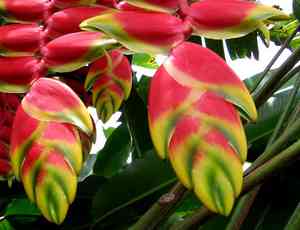
Featuring its vivid, cascading floral bracts, the false bird of paradise stands out as a stunning tropical specimen. Eliminate any withered or compromised stems at any point; for controlling its dimensions, perform trimming following the primary flowering phase. Consistent removal of spent flower stalks stimulates fresh development and continued blossoming. Trimming can occur throughout the year, but refrain from extensive cutting during the height of winter. Precise, clean cuts deter illness, and light pruning preserves its inherent form, safeguarding both the vitality and visual appeal of the false bird of paradise.
What Are the Benefits of Pruning False Bird Of Paradise?
What Are the Benefits of Pruning False Bird Of Paradise?
Trimming false bird of paradise promotes abundant flowering, stimulates robust development, and maintains a desired form. This selective removal of plant parts enables false bird of paradise to channel energy into producing vibrant blossoms, ensures a compact and appealing shape, and encourages vigorous overall health.
What Is the Best Time for Pruning False Bird Of Paradise?
What Is the Best Time for Pruning False Bird Of Paradise?
The rationale for pruning false bird of paradise during spring and summer is that these periods coincide with the plant's active growth phase. Pruning in these warmer months allows false bird of paradise to recover more rapidly and dedicate energy to generating new shoots and flowers. Furthermore, since false bird of paradise typically blooms after a pruning cycle, timing the trimming just before the growth period can lead to a healthier and more visually appealing display of flowers. Pruning during these seasons also assists in preserving the plant's desired shape and size, and prevents potential harm from excessive growth. Additionally, removing dead or damaged sections of the plant at this time can help avert disease and enhance air circulation throughout the foliage.
What Tools Do I Need to Prune False Bird Of Paradise?
Hand Pruners
For precise cuts on smaller stems of false bird of paradise, sharp hand pruners are essential. They facilitate clean cuts that encourage healthy regrowth.
Lopping Shears
These are perfect for cutting through thicker stems and branches of false bird of paradise that hand pruners cannot manage, thanks to their long handles and increased leverage.
Pruning Saw
In cases where false bird of paradise has developed particularly thick stalks, a pruning saw will be necessary to make clean cuts without harming the plant.
Gardening Gloves
To safeguard hands from the sap and rough edges of false bird of paradise's foliage and stems, durable gardening gloves are recommended during pruning.
Disinfectant
Between cuts, especially when moving from one false bird of paradise to another, it is vital to sanitize the tools to prevent the spread of disease.
How to Prune False Bird Of Paradise
Step1: Timing for Pruning
Evaluate false bird of paradise for pruning in late winter or early spring before new growth emerges. This prevents the unnecessary removal of flower buds that develop for the upcoming season.
Step2: Sterilize Pruning Tools
Sanitize your pruning shears with an alcohol or bleach solution to avoid spreading diseases. Sharp, clean cuts are crucial for the health of false bird of paradise.
Step3: Personal Safety Gear
Wear protective gloves to prevent injury from sharp edges of false bird of paradise's leaves or stems.
Step4: Identify Dead Flowers
Locate dead flowers on false bird of paradise, which appear brown and wilted, in contrast to vibrant, colorful, and firm healthy flowers.
Step5: Removing Dead Flowers
Carefully remove dead flowers by cutting at the base of the flower stalk. Ensure the cut is clean and at a slight angle to promote water runoff and deter disease.
Step6: Spot Damaged Leaves
Look for damaged leaves that are discolored, torn, or infested. These leaves can deplete energy from false bird of paradise and potentially spread disease.
Step7: Trim Damaged Leaves
Cut damaged leaves where they meet the stalk or remove the entire leaf if more than half is damaged, taking care not to harm adjacent healthy leaves or growth points.
Step8: Locate Dead Stalks
Search for dead stalks on false bird of paradise, indicated by an absence of leaves, brown coloration, and brittle texture. Dead stalks do not revert to a healthy state and can harbor pests or diseases.
Step9: Prune Dead Stalks
Prune dead stalks at their base where they emerge from the main plant. Cut at an angle to allow water to drain and reduce the risk of rot at the cut site.
Step10: Dispose of Debris
Promptly dispose of all removed material away from healthy parts of false bird of paradise to prevent potential disease spread or pest attraction.
Step11: Limit Extent of Pruning
Avoid excessive pruning, ensuring not to remove more than one-third of false bird of paradise in a single session, unless removing dead or severely damaged parts which should be entirely eliminated.
Step12: Post-Pruning Care
After pruning, adequately water false bird of paradise to help reduce plant stress and encourage new growth.
Post-Pruning Care for False Bird Of Paradise
Post-Pruning Care for False Bird Of Paradise
Immediately after trimming false bird of paradise, ensure the plant is in a warm, shaded location to recover, avoiding direct sunlight. Maintain high humidity and a stable temperature between 65-80°F. Water the soil evenly, keeping it moist but not waterlogged. Apply a balanced, slow-release fertilizer to support new growth. Monitor false bird of paradise for wilted or discolored leaves and signs of infection, such as unusual spots or pests. Address any issues promptly using appropriate horticultural methods.
Common Pruning Mistakes with False Bird Of Paradise
Avoid Cutting Main Stalks
Cutting into the primary stalks of false bird of paradise, which can severely harm or kill the plant. Only remove non-essential parts like dead or diseased leaves and spent flower stalks.
Do Not Over-prune
Excessive pruning of false bird of paradise can lead to stunted growth or reduced flowering. It is important to remove only what is necessary.
Maintain Plant Structure and Balance
Neglecting the overall structure and balance of false bird of paradise during pruning. It is crucial to maintain an even shape for both aesthetic appeal and plant health.
Use Sharp and Clean Tools
Using dull or dirty pruning tools, which can damage false bird of paradise's tissue and introduce diseases.
Common Pruning Tips for False Bird Of Paradise
Sharp, Clean Cuts for Quick Healing
Utilize sharp, clean shears to make precise cuts on false bird of paradise, which helps prevent infection and promotes rapid healing.
Remove Dead Leaves and Bracts for Growth
Focus on removing dead or dying leaves and flower bracts from false bird of paradise, which can stimulate new growth and improve air circulation around the plant.
Cut Near Base, Avoid Main Stalk
When pruning false bird of paradise, cut close to the base of the leaf stem, but be careful not to cut into the main stalk.
Prune Diseased Areas Immediately
Regularly inspect false bird of paradise for signs of disease or pests, and promptly prune away any affected areas to prevent their spread.
Prune Spent Flowers to Base for New Growth
Cut spent flower stalks of false bird of paradise back to the base after flowering to redirect energy to new growth and potential blooms.



