How to Transplant Queen of the prairie?
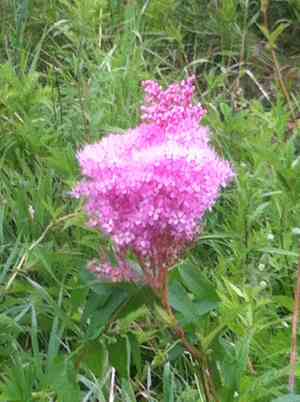
The most favorable period for relocating queen of the prairie is during the increasing warmth of late spring through early summer, guaranteeing their establishment in adequately drained, damp earth. To achieve optimal outcomes, select a location that receives ample sunlight to partial shade.
What Preparations are Needed Before Transplanting Queen Of The Prairie?
What is the Ideal Time for Transplanting Queen Of The Prairie?
Choose the period of new growth, such as late spring to early summer, for relocating queen of the prairie. This timeframe offers ample warmth and consistent conditions, promoting successful root establishment. Moving queen of the prairie during these warmer months utilizes its natural growth cycle, ensuring the plant adapts well to its new spot. This timing reduces stress and maximizes the potential for robust development, setting the stage for a vibrant, thriving display.
How Much Space Should You Leave Between Queen Of The Prairie Plants?
For queen of the prairie, ensure each plant is spaced approximately 2-3 feet (60-90 cm) apart. This provides sufficient room for them to expand and reach their full size without becoming overcrowded. Ideal for novice gardeners to follow!
What is the Best Soil Mix for Queen Of The Prairie Transplanting?
Your queen of the prairie thrives in well-drained, fertile soil enriched with organic matter. Before planting, amend the soil by incorporating compost or a slow-release granular fertilizer. This will give your plant a healthy start!
Where Should You Relocate Your Queen Of The Prairie?
Queen of the prairie enjoys locations with full to partial sunlight. Therefore, aim to plant your queen of the prairie where it can bask in the sun without overheating in the afternoon. This ensures it receives the optimal amount of light for ideal growth!
What Equipments Should You Prepare Before Transplantation Queen Of The Prairie?
Gardening Gloves
To safeguard your hands and fingernails from dirt or injury while handling soil and plants.
Spade or Shovel
For excavating the plant from its original position and for digging the new planting hole.
Pruning Shears
To carefully trim any damaged or excess roots during the relocation process.
Watering Can or Hose
To hydrate the plant before and after its transfer.
Wooden Stakes
These will offer support for the plant after it has been moved, especially if it's a tall variety of queen of the prairie.
Garden Twine
To secure the queen of the prairie to its stakes, providing stability as it grows.
Trowel
For precise adjustments to the planting hole.
How Do You Remove Queen Of The Prairie from the Soil?
How Do You Remove Queen Of The Prairie from the Soil?
From Ground: If the queen of the prairie is already in the ground, begin the removal process by watering the plant to soften the surrounding soil. Next, use a shovel to dig a wide circle around the plant, being careful not to harm the roots. Gently dig beneath the root ball and lift the plant from the ground.From Pot: If the queen of the prairie is potted, the initial step is to water it thoroughly. Then, tilt the pot sideways and gently press on the sides to loosen the soil. Carefully pull out the plant by grasping it as close as possible to the base of the stems, not the stems themselves. If the plant is stuck, you might need to break the pot.From Seed Tray: If the queen of the prairie is a seedling in a tray, water it, then gently coax the small plant out by holding onto a leaf, not the stem. Handle the queen of the prairie delicately, striving to keep all roots intact.
Step-by-Step Guide for Transplanting Queen Of The Prairie
Image Inspection
Examine the queen of the prairie plant, particularly its roots, for any indications of disease or damage. Remove any affected parts.
Hole Preparation
Use a spade or shovel to excavate a hole that is at least twice as wide and as deep as the pot or the plant's root ball.
Placement
Position the queen of the prairie in the hole. Ensure the top of the root ball is level with or slightly above the ground surface.
Backfilling
Refill the hole with the same soil, making sure not to bury the plant's crown.
Staking
If the queen of the prairie is a tall variety, place stakes around it and loosely tie the plant to them using garden twine. This will help it remain upright as it develops.
Watering
Water the plant thoroughly but gently with a watering can or hose.
How Do You Care For Queen Of The Prairie After Transplanting?
Watering
While the queen of the prairie plant prefers moist soil, be cautious not to overwater and create soggy conditions. Check the soil's moisture level daily and irrigate as needed.
Protection
Shield the newly transplanted queen of the prairie from harsh weather conditions, such as extreme heat or wind, as it acclimates to its new location. Use protective screens or barriers if necessary.
Monitoring
Watch for any signs of transplant shock, including wilting, yellowing, and leaf drop. If these symptoms appear, ensure the plant is adequately watered and protected from extreme temperatures.
Support
Continue to inspect and adjust the stakes and ties as the queen of the prairie grows, ensuring it remains stable but not overly constricted.
Troubleshooting Common Issues with Queen Of The Prairie Transplantation.
When is the best time to transplant queen of the prairie?
Relocate queen of the prairie during the period between late summer and early fall, commonly referred to as 'S3-S4'.
How far apart should I space queen of the prairie plants during transplantation?
To ensure optimal growth, space queen of the prairie plants 2-3 feet (60-90 cm) apart. This provides each plant ample room to spread.
What is the best method to dig up queen of the prairie for transplantation?
Use a spade or garden fork to dig approximately 10 inches (25 cm) deep. Be gentle to avoid damaging the root system while lifting queen of the prairie from the ground.
Whatâs the most suitable soil for queen of the prairie during transplantation?
Queen of the prairie thrives in fertile, well-drained, moist soil. Incorporate compost or organic material to enhance soil conditions during transplantation.
How deep should I plant queen of the prairie during transplantation?
Plant queen of the prairie at the same depth it was growing at its previous site. Typically, the plant's crown should be at or slightly below ground level.
How should I handle the roots of queen of the prairie during transplantation?
Minimize root exposure to the air. Handle with care to prevent damage. Trim off any broken or damaged roots before transplanting.
Can I transplant queen of the prairie into a pot?
Yes, you can. Ensure the pot is sufficiently large to accommodate queen of the prairie's growth, a minimum of 18 inches (45 cm) in diameter would be ideal. Remember to ensure good drainage.
Should I water queen of the prairie immediately after transplantation?
Yes, water it thoroughly right after the transplantation to settle the soil and reduce transplant shock. Keep the soil optimally moist afterwards.
What sort of sunlight does queen of the prairie need post-transplant?
Queen of the prairie prefers full sun to partial shade. Make sure the new location receives sufficient sunlight but also some relief from the intense midday sun.
How can I minimize transplant shock for queen of the prairie?
Water regularly, keep the soil moist, and provide shade from severe sun after transplantation. Also, using root growth stimulator can help queen of the prairie establish faster in new location.



