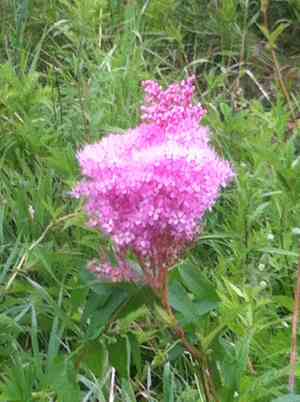
Queen of the prairie (Filipendula rubra)
Also known as: Queen of the Prairie, Queen of the Meadow
Queen of the prairie (Filipendula rubra) is a tall, flowering perennial that can reach up to 1.5 meters in height. It propagates via rhizomes, making it somewhat challenging to germinate from seeds. This plant flourishes best in full sun and prefers soil that is consistently moist, rich in organic matter, and well-drained. It can tolerate a range of soil types, including clay and sandy soils.
In This Article
Attributes of Queen of the prairie
Lifespan
Perennial
Plant Type
Herb
Plant Height
1.8 m to 2.5 m
Spread
1.2 m
Leaf Color
Green
Flower Size
2.5 mm to 7 mm
Flower Color
Pink
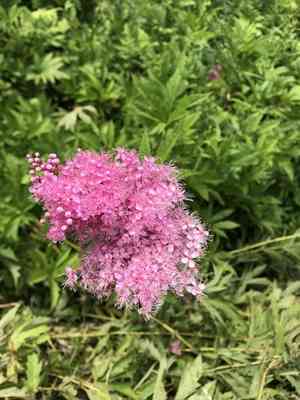
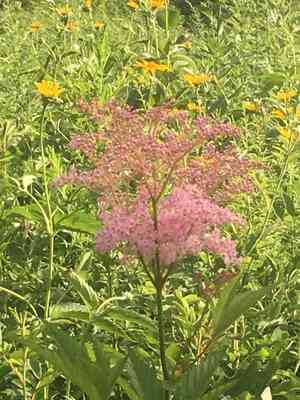
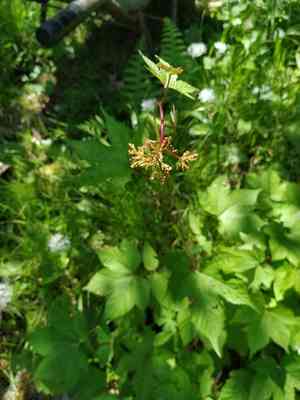
Images of Queen of the prairie
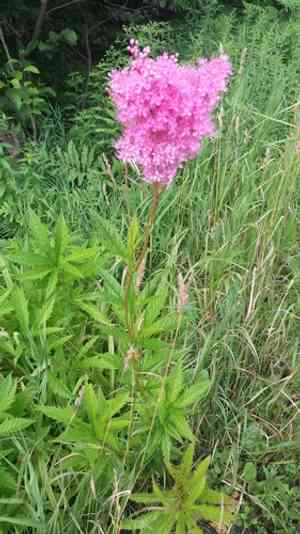
Quickly Identify Queen of the prairie
1
To identify Filipendula rubra, look for its tall stalks, usually reaching 4 to 6 feet, with large, lobed leaves and dense clusters of small, fragrant pink flowers typically blooming in mid-summer.
Scientific Classification of Queen of the prairie
Phylum
Vascular plants
Class
Dicotyledons
Order
Rosales
Family
Rose
Genus
Filipendula
Species
Queen of the prairie
Planting and Growing of Queen of the prairie
Care Difficulty
Easy
Watering Schedule
Every 8 days
Sunlight Requirements
Full sun
Sunshine Duration
4-6 hours
Ideal Temperature
60-75℉
Soil Type
Potting Mix, Peat Mix
Soil pH
6.5-7.5
Fertilizer Type
Balanced
Pruning Season
Spring, Summer
Pruning Area
Branches, Leaves
Pruning Frequency
2 times a year
Repotting Season
Spring
Pot Type
Plastic, Ceramic
 How to Water Queen of the prairie?
Filipendula rubra appreciates a generous amount of water, maintaining moist but not waterlogged soil. The rule of thumb is to water until the top inch of soil feels moist but not soggy, ensuring that the roots are properly hydrated.
What are the symptoms of an underwatered Queen of the prairie?
›
What should I do if my Queen of the prairie is not getting enough water?
›
What are the symptoms of an overwatered Queen of the prairie?
›
How to save an overwatered Queen of the prairie?
›
 What Are the Sunlight Requirements for Queen of the prairie?
Partial to full sun exposure is ideal for Filipendula rubra, benefiting from morning light and some afternoon shade. This light regime supports healthy development and lush, vibrant blooms.
More About Sunlight Requirements Techniques→
Optimal Amount of Sunlight
›
Solutions for Ideal Lighting
›
Benefits of Ideal Lighting
›
 What Is the Ideal Temperature Range for Queen of the prairie?
Filipendula rubra thrives best in temperatures ranging from 60°F to 75°F. This range supports optimal growth and bloom development, ensuring vibrant and healthy plants. Deviations from this range might not be catastrophic but can affect the overall vitality and flowering potential of the plant.
 What Soil is Best for Queen of the prairie?
Filipendula rubra thrives in soil that retains moisture well. This ensures the plant has a consistent water supply, crucial during the blooming season, promoting lush growth and vibrant blooms. A high content of organic matter in the soil provides Filipendula rubra with essential nutrients. This enriches the soil and fosters a healthy root system, enhancing the plant's resilience and flowering capacity. While Filipendula rubra enjoys moist conditions, good drainage is essential to prevent waterlogging. This balance between moisture and drainage prevents root rot and ensures the plant's longevity and health.
More About Soil→
 How to Fertilize Queen of the prairie?
For Filipendula rubra, applying the right amount of fertilizer is key to ensuring robust growth and vibrant blooms. Use a balanced liquid fertilizer diluted to half strength, approximately 10-10-10 or 20-20-20 N-P-K, and apply around 250 ml per plant during active growth phases.
More About Fertilizing Techniques→
 How to Prune Queen of the prairie?
Always ensure your pruning tools are sharp and clean to make precise cuts. Blunt tools can damage stems, leading to diseases or stunted growth. Clean tools also help prevent the spread of plant diseases, ensuring the ongoing health of your Filipendula rubra. Conduct your pruning exercises in the early morning when temperatures are cooler. This timing helps reduce plant stress, as cooler mornings allow cuts to close before the heat of the day sets in, minimizing the risk of dehydration or heat stress. After pruning, it's important to monitor the plant for any signs of pest infestations. Fresh cuts can make the plant vulnerable, so be on the lookout for unusual bug activity or leaf damage and treat with appropriate organic pest control measures if necessary.
More About Pruning Techniques→
 How to Propagate Queen of the prairie plant?
1
Use a well-draining mix of potting soil and sand to promote healthy root development. Ensure the soil is slightly moist, but not waterlogged, to prevent rot during the germination and rooting process.
2
Sow the seeds thinly on the soil surface, gently pressing them down. Do not cover them with too much soil as they require light to germinate. Maintain a consistent moisture level for successful germination.
3
Select healthy stems around 4-6 inches long. Make an oblique cut just below a node and remove the lower leaves. Dip the cut end in rooting hormone to stimulate root growth before planting in prepared soil.
 How to Repot Queen of the prairie plant?
1
Filipendula rubra needs repotting when its roots start peeking out from the drainage holes, indicating a need for more space. Additionally, if the plant's growth has stunted or its soil seems overly compacted, it's a good indication that it's time to repot.
2
Select a pot that is only slightly larger than the current one, ideally 2 inches larger in diameter. This prevents stress from an excess of new soil and ensures proper water drainage. Pots made from breathable materials like terracotta are beneficial as they allow moisture to escape, reducing the risk of root rot.
3
Use well-draining loamy soil to provide the essential balance of moisture retention and aeration. This type of soil supports healthy root development and reduces excess water accumulation, which can lead to root rot, a common issue if the soil is too heavy or compacted.
Learn More About Queen of the prairie Diseases
Anthracnose
Bacterial Leaf Spot
Bacterial Soft Rot
Chemical Injury
Crown Gall
Damping-off
Downy Mildew
Drought Stress
Fusarium Wilt
Gray Mold
Leaf Curl
Leaf Spot
Mosaic
Nutrient Deficiency
Nutrient Toxicity
Powdery Mildew
Root Rot
Root-knot Nematode
Rusts
Sooty Mold
Spider Mites
Temperature Stress
Thrips Damage
White Mold



