How to Prune Queen of the prairie?
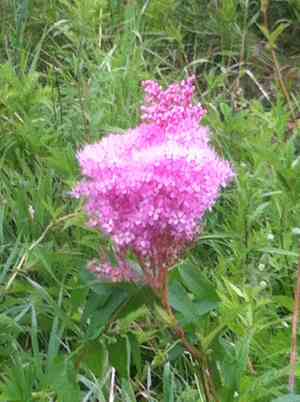
Originating from North America, Filipendula rubra is recognized by its delicate clusters of small pink blossoms. To ensure its well-being and visual appeal, remove faded flower stalks once flowering concludes. The most suitable times for trimming are either in early spring or following the bloom period in late autumn, enabling the plant to store energy for the subsequent growing cycle. When undertaking pruning, sustain its natural clumping form for an organic appearance. Trimming not only encourages fresh development but can also aid in managing its dimensions and averting excessive density.
What Are the Benefits of Pruning Queen Of The Prairie?
What Are the Benefits of Pruning Queen Of The Prairie?
Trimming queen of the prairie promotes more abundant flowering and robust development. Regular cutting helps maintain an attractive shape, preventing queen of the prairie from becoming overgrown or messy.
What Is the Best Time for Pruning Queen Of The Prairie?
What Is the Best Time for Pruning Queen Of The Prairie?
Pruning queen of the prairie in early spring allows gardeners to remove dead or damaged stems from the previous year without harming new growth. This timing encourages healthy development and revitalization as the plant enters its active growth phase. Late autumn is also suitable as it permits the removal of spent flowers and any growth unlikely to survive winter, thereby directing queen of the prairie's energy towards its roots and preparing for dormancy. These seasons ensure the plant maintains vigor and doesn't waste energy on parts that will be removed, leading to more robust growth and flowering in the subsequent season.
What Tools Do I Need to Prune Queen Of The Prairie?
Hand Pruners
Essential for cutting through the relatively thin stems of queen of the prairie, as they provide precision and control for deadheading and shaping.
Pruning Shears
Ideal for snipping flower stalks and removing old foliage without damaging the plant, especially during the post-blooming season of queen of the prairie.
Garden Scissors
Useful for detailed work like thinning out dense areas, which promotes air circulation and reduces the risk of disease in queen of the prairie.
Long-Handled Loppers
Appropriate for reaching deeper into the plant or for cutting thicker stems that hand pruners might not handle if queen of the prairie has been allowed to grow densely.
Pruning Saw
Only necessary if queen of the prairie has some older, woodier stems that need to be removed, which is less common but possible in mature clusters.
Gloves
To protect hands from sap that might cause skin irritation during the pruning of queen of the prairie.
How to Prune Queen Of The Prairie
Step1: Post-Bloom Pruning Timing
Wait until the end of the blooming period before beginning pruning queen of the prairie. Queen of the prairie's flowers typically need to be pruned after they have finished blooming, which is usually late summer.
Step2: Prepare Sterilized Pruning Tools
Prepare your pruning tools which should include sharp, clean pruning shears. Sterilize the blades with rubbing alcohol to prevent the spread of disease.
Step3: Identify Dead Flowers
Identify the dead flowers on queen of the prairie. Look for blooms that are faded and have lost their color.
Step4: Angle Cut Stems Below Dead Flowers
Cut the flower stems of queen of the prairie just above the first set of healthy leaves below the dead flowers. Make your cut at a 45-degree angle to allow water to run off and prevent disease.
Step5: Prune All Dead Flowers
Repeat the process with all the dead flowers on queen of the prairie to encourage a tidy appearance and potentially promote new growth.
Step6: Dispose of Pruned Stems
Dispose of the cut flower stems properly, keeping your garden free of debris to minimize the risk of pests and diseases.
Step7: Water Plant Post-Pruning
Water queen of the prairie adequately after pruning to help the plant recover and establish new growth. However, ensure not to overwater as queen of the prairie prefers well-drained soils.
Step8: Fertilize After Pruning
Apply a balanced, slow-release fertilizer to provide queen of the prairie with the necessary nutrients for healthy growth after pruning if the soil is lacking.
Post-Pruning Care for Queen Of The Prairie
Post-Pruning Care for Queen Of The Prairie
Immediately after pruning queen of the prairie, ensure ample watering to aid in recovery. Manage light exposure to avoid intense midday sun, while maintaining moderate humidity and stable temperatures between 60-70°F. Apply a balanced fertilizer to replenish nutrients, assisting growth without promoting excessive foliage. Regularly inspect queen of the prairie for stress indicators, such as wilting or discoloration, and signs of infection like spots or decay. Promptly address issues with appropriate fungicides or pest control measures, and adjust care as needed to foster a healthy regrowth.
Common Pruning Mistakes with Queen Of The Prairie
Overly severe pruning stress
Pruning too severely can stress queen of the prairie, potentially reducing its vigor and abundance of flowers.
Ignoring dead or diseased stems
Neglecting to remove dead or diseased stems can lead to a buildup of pests and diseases, affecting the overall health of queen of the prairie.
Premature pruning reducing blooms
Cutting back queen of the prairie too early in its growth cycle can remove potential flower-bearing stems, leading to a decreased floral display.
Using dull or dirty tools
Using dull or dirty pruning tools may result in jagged cuts and introduce pathogens, inhibiting proper healing and growth.
Not thinning out crowded plant areas
Failure to thin out crowded areas of queen of the prairie can limit airflow and light penetration, which is vital for preventing diseases and encouraging robust growth.
Common Pruning Tips for Queen Of The Prairie
Clean cuts above nodes or buds
When pruning queen of the prairie, make clean cuts just above a leaf node or bud to promote healthy new growth.
Deadhead blooms to boost flowering
Regularly deadhead spent blooms to encourage queen of the prairie to produce more flowers and prevent self-seeding if that's not desired.
Thin older stems to improve airflow and light
Thin out the center of queen of the prairie by removing some of the older stems at the base. This increases air circulation and light penetration, promoting healthy foliage and flowers.
Use sharp, clean tools for healthy cuts
Maintain sharp, clean pruning tools to make precise cuts that heal quickly and reduce the risk of disease transmission.
Selective pruning for natural plant shape
While shaping queen of the prairie, aim for a natural appearance by selectively pruning outer stems and avoiding over-pruning which can lead to a sparse-looking plant.



