The Queen of the prairie Plant Advantage: Maximizing Home and Office Appeal and Wellness
1
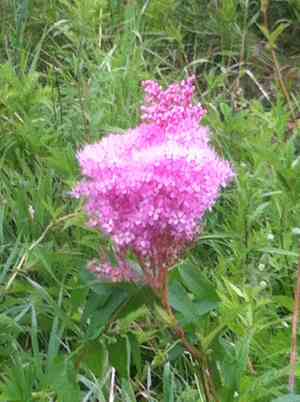
Filipendula rubra is recognized for its beautiful pink floral groupings that draw in beneficial insects.
2
This species flourishes in moist habitats, rendering it perfect for aquatic garden elements.
3
Filipendula rubra can be utilized to improve the visual charm of natural settings.
What Makes Queen of the prairie Distinctive?
Vibrant Floral Clusters
A prominent characteristic of Queen of the prairie is its vivid pink flower clusters that emerge in mid to late summer. These substantial, dense groupings can vary from soft pinks to deep magentas, creating a visually impressive display. The blossoms are not only attractive but also draw in various pollinators, including bees, butterflies, and other beneficial insects, which can improve your garden's health and productivity.
Perfect for Moist Gardens
Queen of the prairie flourishes in damp, well-drained soils and is especially suited for wetland gardens or areas with poor drainage. This makes it an excellent option for those aiming to establish water features or rain gardens. The plant's capacity to endure wet conditions also means it can help alleviate waterlogging and erosion, making it a practical and appealing solution for managing moist areas in your landscape.
Cultivating and Caring for Queen of the prairie
Planting Queen of the prairie
To successfully cultivate Queen of the prairie, it's best to plant it in a spot that gets full sun to partial shade. Ensure the soil is rich in organic matter and retains moisture effectively. Plant Queen of the prairie in early spring or fall for optimal results, spacing each plant approximately 2 to 3 feet apart to allow for its growth. Consistent watering is crucial, especially during dry spells, to keep the soil uniformly moist.
Maintenance Advice
Queen of the prairie requires relatively little upkeep once established. Regular watering, particularly during arid periods, will maintain the plant's health. Furthermore, removing spent blooms can encourage a second flowering and prevent excessive self-seeding. Dividing the plants every few years in early spring can also help sustain their vigor and prevent overcrowding.
Landscaping Applications of Queen of the prairie
Enhancing Natural Settings
Given its tolerance for wet conditions and its striking visual appeal, Queen of the prairie is a superb choice for enhancing natural landscapes. It fits beautifully along the edges of ponds, streams, and other water features, adding color and texture to these areas. When planted in groups, Queen of the prairie can create a bold, colorful impact, serving as a focal point in garden designs.
Pairing with Other Plants
Queen of the prairie combines well with various other plants, especially those that thrive in similar environments. Consider pairing Queen of the prairie with other moisture-loving perennials such as hostas, ferns, and astilbes to create a lush, diverse garden bed. Its tall stature also makes it an excellent backdrop for shorter plants, adding height and dimension to your garden design.
Why Select Queen of the prairie for Your Garden?
Environmental Advantages
Queen of the prairie offers several environmental benefits beyond its aesthetic charm. By attracting pollinators, it supports the broader ecosystem and promotes biodiversity. Its roots help stabilize soil in wet areas, reducing erosion and improving soil health. Additionally, it can assist in water management within your garden, helping to control waterlogging and support other moisture-loving plants.
Effortless Integration and Adaptability
The versatility of Queen of the prairie makes it suitable for a wide array of gardening scenarios. Whether you're looking to enhance a formal garden design or naturalize a water feature, Queen of the prairie can be seamlessly incorporated into various landscapes. Its adaptability to different light conditions â from full sun to partial shade â further increases its utility as a garden plant.



